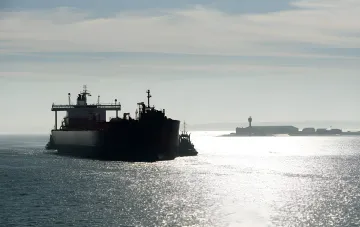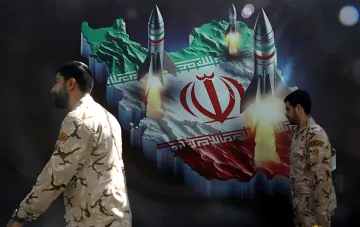
Amid rising tensions on the international stage, diplomatic channels remain the last barrier between peace and a new war. It is precisely this path that Tehran and Kyiv chose following the incident involving an Iranian vessel in the Caspian Sea. Iranian Foreign Minister Abbas Araqchi and his Ukrainian counterpart, Andriy Sybyga, held a direct conversation that helped de-escalate the conflict.
High-Level Dialogue
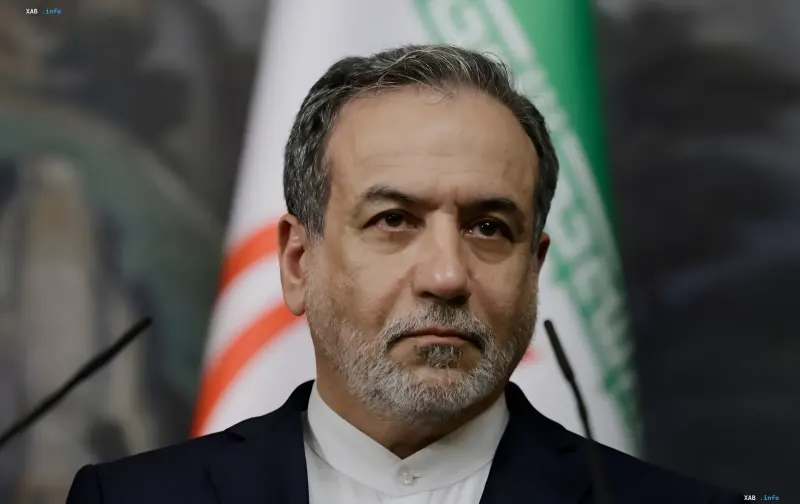
Abbas Araqchi published details of his conversation with Andriy Sybyga on his X social media account. According to the Iranian minister, the Ukrainian side provided clear assurances: the attack on the Iranian merchant vessel was not intentional. Kyiv assured Tehran that it does not seek to escalate the situation and is ready for dialogue.
“Ukrainian Foreign Minister Andriy Sybyga assured me that the attack on the Iranian vessel was unintentional and that Ukraine does not seek escalation,” Araqchi quoted himself as saying.
The Cost of Error and Demands for Compensation
Despite diplomatic assurances, the incident left a heavy mark. The Iranian Ministry of Foreign Affairs reported that one sailor died and another was injured as a result of the strike. Tehran described the incident as an “act of aggression” and a violation of the UN Charter. Following this, Ukraine’s Chargé d’Affaires ad interim was summoned to the Iranian foreign ministry, where an official protest was delivered.
Araqchi emphasized that any actions against Iranian citizens or interests are unacceptable. At the same time, he clearly stated his country’s position: the damage caused must be compensated. “However, he made it clear that any attacks on his citizens or interests are unacceptable. The damage caused must be compensated,” the Iranian Foreign Minister’s post stated.
Diplomacy as a Tool of Restraint
Ukraine also responded to Iran’s statements about possible retaliatory strikes, emphasizing the importance of maintaining diplomatic dialogue. Andriy Sybyga described the conversation as candid and noted that diplomacy remains a key tool for direct communication, even under current conditions.
“Ukraine is interested in preventing further escalation of the conflict,” the Ukrainian minister added. Both sides acknowledged that further deterioration of the situation benefits no one and called for restraint.
What’s Next?
The situation remains tense, but the diplomatic channel remains open. Iran and Ukraine have chosen the path of negotiations to avoid a new wave of violence. However, the question of compensation and the investigation into the circumstances of the attack remains unresolved. The future steps of both countries will depend on how quickly and honestly these issues are addressed.