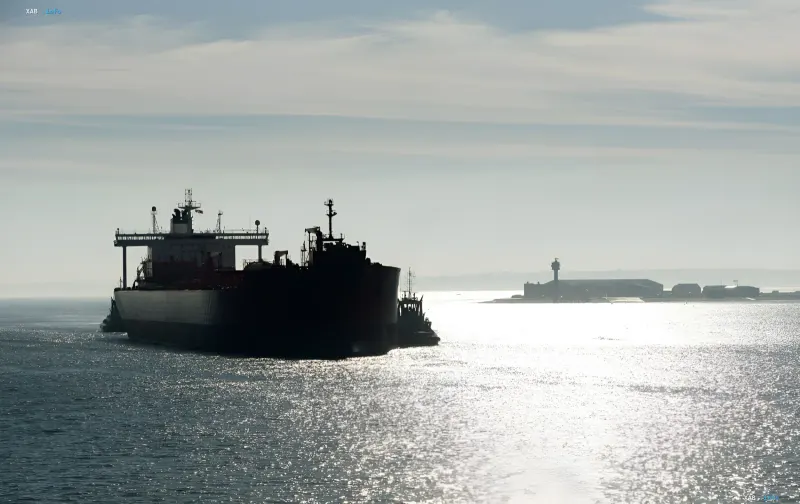
Tensions have escalated between Iran and Ukraine. Tehran categorically rejects Kyiv's explanations regarding the "unintentional" nature of the attack on an Iranian merchant vessel in the Caspian Sea. Iranian Foreign Ministry spokesperson Esmaeil Baghai, in an interview with the ISNA agency, stated that the Iranian side is not satisfied with the current clarifications and insists on material compensation for the damage.
Tehran's Position: Rejection of the "Accident" Theory
The representative of Iran's foreign ministry emphasized that the country's position was voiced "clearly, quickly, and decisively." Despite statements by Ukrainian officials that the incident was a mistake, Tehran considers these arguments insufficient to absolve responsibility. Baghai noted that Kyiv's admission of the attack automatically entails an obligation to compensate for damages, regardless of the motives behind the strike.
Threat of "Self-Compensation"
In his statement, the Iranian Foreign Ministry spokesperson allowed for a scenario where Ukraine refuses to make payments. In this case, according to Baghai, Iran will "compensate itself" for the damage. Experts note that the wording is intentionally ambiguous and could imply either economic sanctions or military retaliatory measures. Previously, Tehran had declared its right to retaliate after one crew member died and another was injured in the attack.
Contradictory Data
There is a clear divergence in the interpretation of events between the two sides. On one hand, Ukrainian President Volodymyr Zelenskyy, in late July 2026, confirmed the fact of successful long-range strikes by the Ukrainian Armed Forces in the Caspian Sea, positioning them as a strategic victory. On the other hand, Iran insists that the target was civilian infrastructure, not military objects. Furthermore, Iranian sources reported a readiness to attack three targets on Ukrainian territory, but the operation was cancelled following a "request for forgiveness" from Kyiv. Kyiv's officials have not commented on these details, raising questions about the actual diplomatic correspondence between the countries.
Diplomatic De-escalation or Deadlock?
On July 28, 2026, the Acting Head of the Ukrainian Ministry of Foreign Affairs, Andrii Sybyga, held telephone talks with his Iranian counterpart. According to Tehran, it was after this conversation that preparations for retaliatory strikes were cancelled. However, the lack of public confirmation from Kyiv leaves room for speculation. Iran continues to insist on compensation, and if the dialogue does not yield results, the conflict could enter a new phase, affecting not only the Caspian Sea but also regional security as a whole.