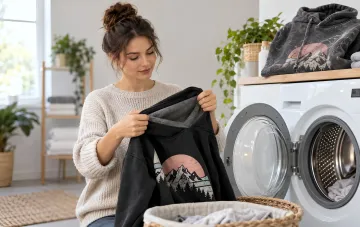
The smell of mold and dark spots on fabric is a common problem for those storing clothes in damp conditions. According to experts at Good Housekeeping, mold fungi actively thrive on fabrics and other materials in high-humidity environments. The main "risk zones" are damp closets, washing machines where clothes were left wet for days, and laundry baskets lacking proper air circulation. It is important to note that not every dark spot is mold. You cannot identify the type of fungus by color alone, and sometimes permanent fiber discoloration after washing is mistaken for active fungal growth.
First Steps: Assessing the Scope and Choosing a Strategy
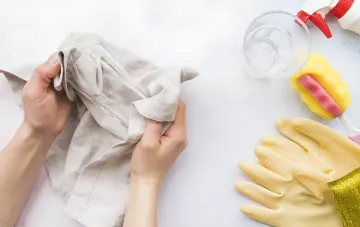
If the infestation is minor and the care label permits washing, you may be able to save the item at home. In a feature by Martha Stewart, garment care experts recommend treating stained areas with a suitable agent first, followed by washing with an appropriate detergent. The University of Georgia emphasizes that one must first remove surface mold and wash the fabric with detergent. If stains persist, it is acceptable to use additional agents compatible with the specific material. However, experimenting with "old wives' tales" mixtures on delicate fabrics is discouraged, as it may permanently damage the fibers.
What Not to Do: Tumble Dryers and Dangerous Mixtures
It is critical not to put an item into a tumble dryer while stains are still visible. High heat sets residual stains and fungal spores into the fabric structure, making subsequent cleaning nearly impossible. Improper combinations of cleaning agents are equally dangerous. It is strictly prohibited to mix chlorine bleach with vinegar, ammonia, or other cleaners—such a reaction releases toxic gases hazardous to breathe. Bleach should be selected strictly according to the fabric composition and manufacturer's instructions on the label.
Safety During Cleaning: What CDC and EPA Say
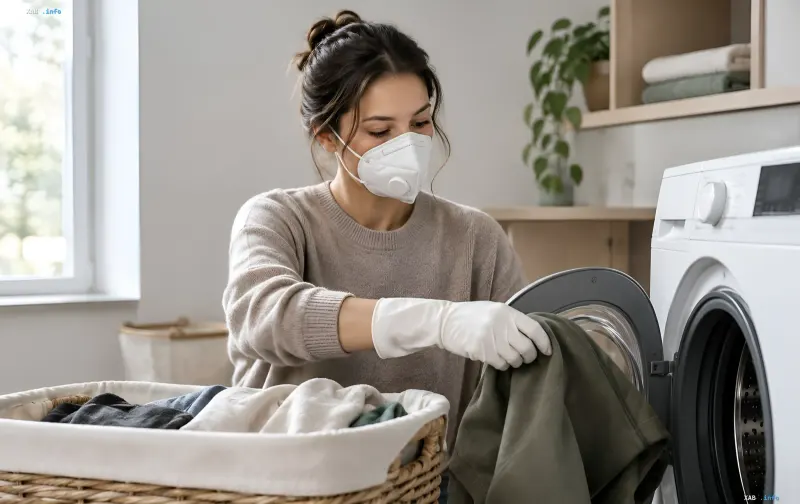
Handling mold is not just a household chore but a potential health risk. CDC recommendations emphasize that when cleaning mold-affected materials, one must protect the respiratory system, eyes, and skin: use a respirator or mask, protective gloves, and goggles if necessary. Experts advise individuals with asthma, mold allergies, or weakened immune systems not to attempt such cleaning themselves. The U.S. Environmental Protection Agency (EPA) notes that mold can penetrate porous materials so deeply that thorough cleaning is difficult or impossible. This does not mean every moldy item must be thrown away immediately, but if the fungus has destroyed the fibers themselves, the item cannot be restored to a usable condition.
Home Remedies: What Actually Works and What Is a Myth
Vinegar is sometimes used for fabric treatment: its acidity does suppress some types of mold. However, as experts point out, vinegar does not guarantee complete removal of fungus from deep within the fibers. Baking soda can help mitigate odors but is not a substitute for a full wash with detergent. Thus, home remedies can serve as an auxiliary step but not the primary cleaning method. Items exposed to contaminated water after flooding require special attention: in such cases, the risk of deep fungal infection is significantly higher, and home treatment may be insufficient.
Prevention: How to Stop Recurrence
To keep mold from returning, controlling indoor humidity is key. Experts recommend keeping humidity levels below 60%, ideally between 30–50%. If spots appear on clothes regularly, you must check the condition of the closet, walls, and washing machine: without eliminating the moisture source, even thoroughly cleaned clothing will mold again. Simple measures—ventilating, removing freshly washed laundry from the machine immediately, and using ventilation holes in closets—reduce the risk of re-infection tenfold.