The lives of modern children in frontline and border regions of Ukraine unfold amidst the constant wail of air raid sirens, the threat of guided aerial bombs (KABs), and enemy drones. Chronic stress and unceasing danger have a profound and devastating impact on the emotional state, psychological development, education, and socialization of the younger generation. Parents face an insoluble moral dilemma of daily choice between the danger of staying home and the complexities of complete uncertainty during evacuation.
The Psychological Imprint of War on Children
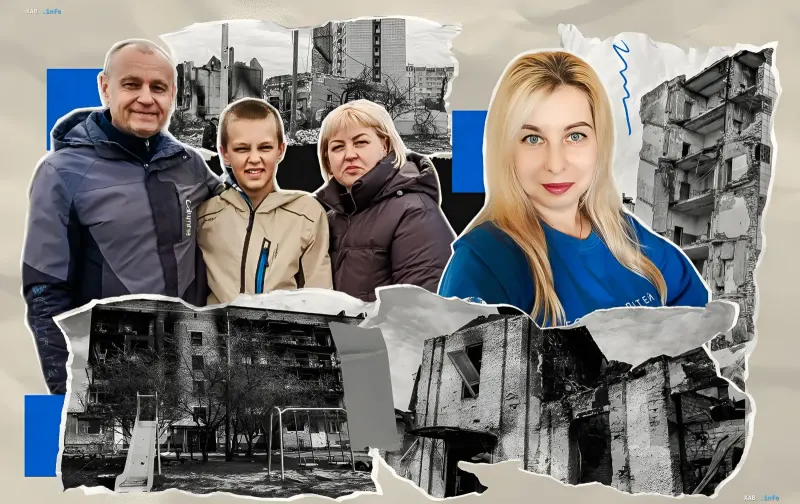
According to official statistics, since the beginning of the full-scale invasion, more than 1.4 million people have been evacuated from dangerous areas, including over 212,000 minors. Nevertheless, more than 6,000 children still remain in the government-controlled territory of the Donetsk region. Behind every dry figure lies the drama of a specific family making difficult decisions and the experience of a child trying to adapt to inhuman conditions. A vivid example is the story of 5-year-old Veronika from the Sumy region, who, along with her family, survived a close aerial bomb strike and retained a panic fear of open basements.
Socialization and Safety Triggers
Despite the permanent threat of shelling, parents try to provide children with a familiar environment: Veronika attends kindergarten, sculpts, and goes to school preparation in specialized centers. For her and other children, the main factor of psychological stability is the presence of peers and live communication. However, specific triggers, such as mentions of KABs or loud siren sounds, cause an immediate defensive reaction. Psychologists note that in young children, stress manifests through changes in play, disruptions in sleep rituals, and the appearance of nervous ticks or bodily reactions to noises.
The Role of Loved Ones and Expert Support
The most important tool for the early detection of psychological trauma remains attentive parents, capable of noticing behavioral deviations in time. In Veronika's case, an additional support and symbol of protection became her godfather's husband — a serviceman who, after injury and rehabilitation, serves in the rear. The thought that the military protects them from evil helps the girl cope with anxiety attacks during sirens. Experts emphasize that maintaining social ties and a sense of security from adults are fundamental factors for building internal resilience in children during war.