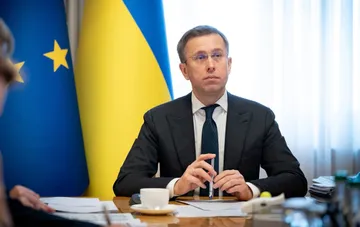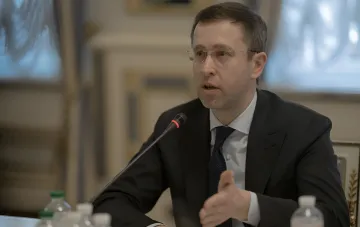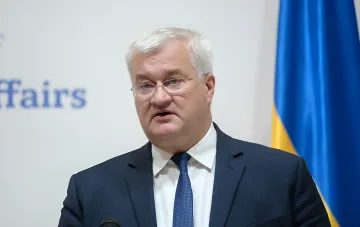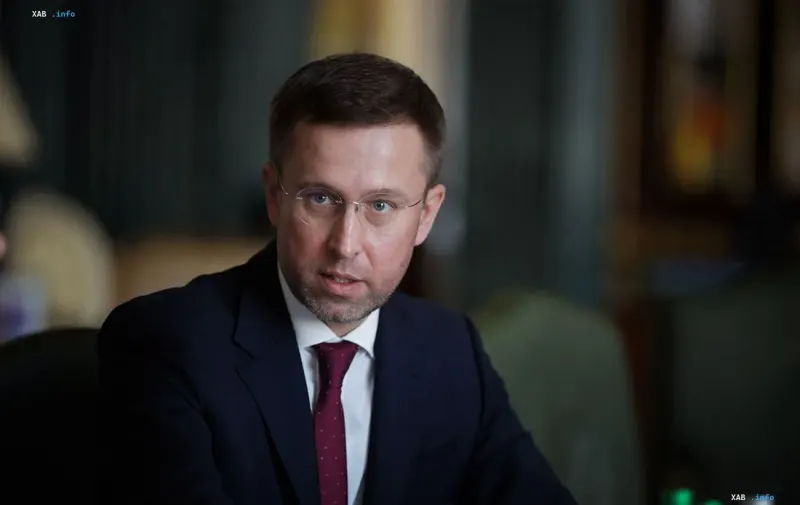
A division into two distinct camps has emerged within the Cabinet of Ministers of Ukraine under Prime Minister Serhii Koretsky. According to sources, the government is split between 'veterans' who served under previous prime ministers and 'young' ministers who arrived with the new head of government, with each group holding its own grievances regarding the leadership's management style.
Government division and ministerial grievances
According to RBC-Ukraine sources, a certain level of tension persists among ministers due to differing approaches to work. The 'young' ministers appointed alongside Serhii Koretsky criticize the head of government for excessive 'dryness', a lack of empathy, and a strict focus exclusively on key performance indicators and rigid deadlines. From their perspective, the prime minister maintains a distance and treats subordinates with uniform neutrality, bringing only a narrow circle of individuals close to him.
At the same time, veteran personnel who survived the tenure of several prime ministers do not fully perceive Koretsky as their actual leader. Certain members of this group feel greater sympathy for ex-prime minister and current First Deputy Prime Minister and Energy Minister Denys Shmyhal. Sources note that Shmyhal is more understandable to cabinet veterans due to his openness and readiness for informal communication, yet he strictly observes subordination and works entirely within Koretsky's team, avoiding the formation of any alternative power centers.
Cabinet formation context and upcoming challenges
The current composition of the Cabinet of Ministers was formed amid severe political and economic turbulence. The Verkhovna Rada appointed Serhii Koretsky as prime minister on July 16, when 289 MPs voted in favor of his candidacy. Immediately after taking office, the new head of government launched an administrative reform, announcing a large-scale reduction of deputy ministers by approximately 20% and deputy heads of other central executive bodies by nearly 18%.
However, the primary stress tests for officials lie ahead, as the government must navigate a difficult winter period amid continuous Russian shelling of energy infrastructure. Against the backdrop of approaching cold weather, certain concerns are mounting among ministers regarding their future fate. Sources within the presidential team suggest that in the spring, the government might be made responsible for potential crises followed by resignations, although the final decision will depend on the head of state's stance.
Significance for the stability of executive power
Internal disagreements and psychological tension within the Cabinet of Ministers reflect the overall complexity of state governance amid an ongoing crisis. The prime minister's total focus on strict management, KPIs, and administrative optimization helps maintain apparatus governability while simultaneously creating a deficit of informal dialogue. The stability of ministerial operations and the political future of the entire current cabinet will depend on how effectively the government handles upcoming heating season challenges and whether leadership can smooth out bureaucratic frictions.