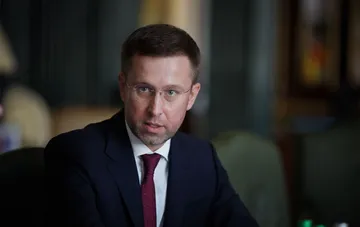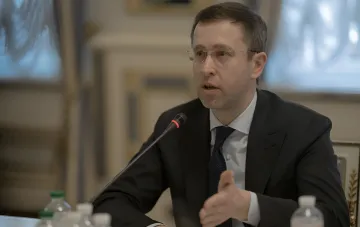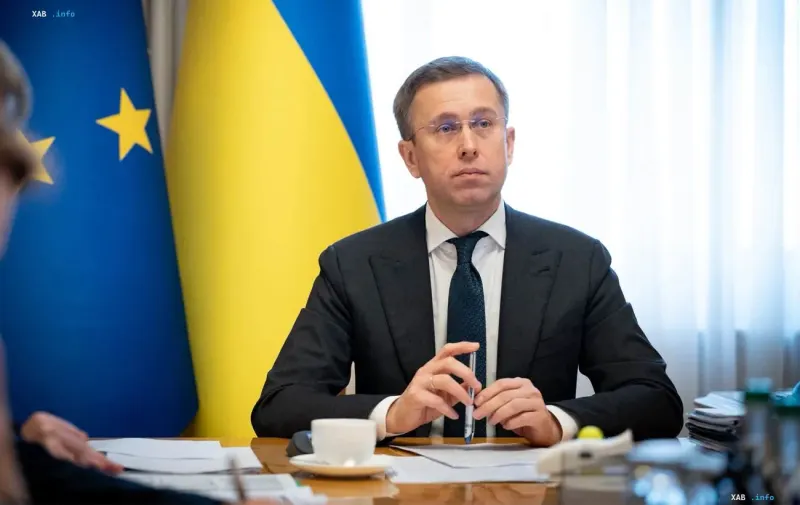
October 24 marks exactly one hundred days since Denys Koretsky assumed office as Prime Minister of Ukraine. During this period, the new head of government has noticeably transformed the management style of the Cabinet of Ministers, shifting from detailed micromanagement to the pragmatic resolution of applied tasks. His approach has already received mixed assessments both within the presidential team and among members of parliament in the Verkhovna Rada.
A Shift in the Government's Management Paradigm
The previous working model led by Yulia Svyrydenko has been replaced by a system requiring fewer bureaucratic approvals. Representatives from the circle of President Volodymyr Zelenskyy note that Koretsky is able to openly argue the impossibility of implementing certain initiatives due to funding shortages. While the previous practice demanded constant meetings to shift responsibility onto the head of state, important decisions are now discussed at the Staff meetings and consistently implemented with subsequent reporting.
The new Prime Minister has focused his efforts on operational problems arising amid ongoing Russian attacks. Specifically, he demanded an end to the practice of completely shutting down the Kyiv metro during any air raid alert, regardless of the actual threat level. Furthermore, the government has tackled transport bottlenecks, including endless passenger train evacuations that used to stretch standard trips into many hours.
International Obligations and Financial Constraints
An important achievement of Koretsky's cabinet over the hundred days has been compiling all of Ukraine's international obligations to Western partners over the past four years into a single matrix. This allows for systematic interaction with donors, though budget deficits remain the main obstacle to implementing even basic initiatives. One such project is the creation of an insurance fund for entrepreneurs whose businesses have suffered from shelling.
Supporting destroyed businesses faces tight budget constraints, as arming the military and funding defense remain top priorities. To raise funds, the government proposes unpopular measures such as increasing the value-added tax, which meets resistance in parliament. Deputies also offer mixed reviews regarding the prime minister's straightforward criticism, though they acknowledge his willingness to engage in detailed and lengthy discussions.
Results of the First Hundred Days and Cabinet Prospects
Summarizing the preliminary results of the hundred-day period, experts and political observers note the strengthening of the executive power vertical during the crisis. Koretsky has managed to build working interaction mechanisms with the President's Office and international institutions, although the parliamentary corps maintains a restrained position. The government's future work will depend on its ability to find compromises with members of parliament on painful fiscal issues and successfully navigate the heating season.