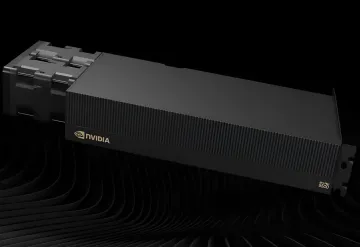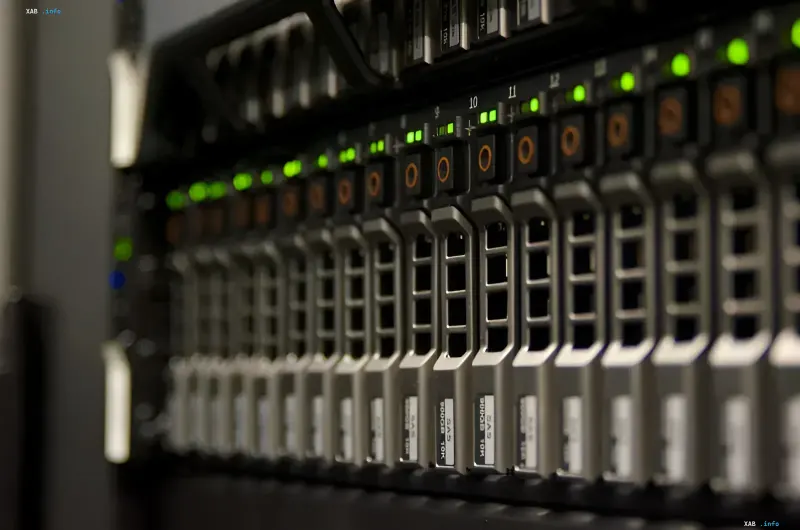
Chinese AI lab Moonshot, the developer of the advanced Kimi K3 model, has gained access to 32 Supermicro servers equipped with Nvidia B300 graphics processors—the most powerful AI accelerators on the global market. This is evidenced by financial documents filed in the People's Bank of China's credit database and made public through a Bloomberg investigation. The import of this class of equipment into China remains prohibited by Washington; however, judging by state registry records, the Chinese developer has not only maintained its dependence on American chips but also arranged their lease through a chain of intermediaries. According to estimates specified in online applications, the total cost of the 32 servers is 432 million yuan (about $64.8 million), and their physical location is China, which directly points to a potential violation of US export restrictions.
Financial Chain: From Bank to Qingyang
According to two financial contracts signed on August 4, the owner of the servers is Lingmeixin (Beijing) Technology Co., and the purchase was financed by Beijing Zhongguancun Bank Co., a lending institution founded in 2017 by 11 public companies specializing in supporting technological innovation. The bank transferred the documents to the PBOC credit agency database on August 6, two days after signing. As collateral for a 200 million yuan ($30 million) loan, Lingmeixin provided a double guarantee: physical collateral in the form of the servers themselves and financial collateral in the form of 345.6 million yuan ($51.81 million) in revenue received under a service contract with Beijing Dark Side of the Moon Technology Co., the main legal entity of Moonshot. A note from Lingmeixin attached to the agreements directly states that the purchased equipment is intended specifically to fulfill this contract, and Moonshot receives only the right to use the computing power without acquiring ownership rights. According to the documents, the servers are located in Qingyang, western China.
350% Markup and the Black Market Trace
Each of the 32 servers under the contract is valued at 13.5 million yuan ($2 million)—approximately 350% higher than the market price in the US. According to Bloomberg, such an anomalous markup strongly indicates the existence of shadow supply chains formed amid years-long export restrictions imposed by Washington. The servers were purchased from a recently established e-commerce subsidiary, Beijing Chunju Technology, which expanded its activities into the AI segment. The documents do not specify exactly how and at what price Chunju Technology acquired the Supermicro servers. Notably, Lingmeixin, in addition to its server business, acts as a distributor of unmanned aerial vehicles, including DJI products, and its partners include the China Aerospace Science and Industry Corporation (CASIC) and the China Aerospace Science and Technology Corporation (CASC)—both subject to US export controls and financial sanctions.
Moonshot's Denial and Disappearance of Registry Records
On November 3, Bloomberg sent inquiries to Lingmeixin, Zhongguancun, and Moonshot. Following this, mentions of Moonshot disappeared from the documents available in the database. The lab itself stated: "We currently have no business relationship with Lingmeixin. We did not participate in, authorize, or have knowledge of the relevant financing or guarantee agreements." An Nvidia representative confirmed that the companies that signed the agreement "are not clients" of the accelerator manufacturer. Supermicro, in turn, emphasized that it "does not conduct business with these entities" and "is committed to complying with all applicable US export and re-export control laws and regulations." Lingmeixin and Zhongguancun did not provide comments on the matter. Thus, formal ties between Moonshot and the servers are denied by the lab itself, but the initial entries in the PBOC state registry containing a direct link to the contract with Beijing Dark Side of the Moon Technology were publicly available prior to Bloomberg's inquiry.
Context: Washington's Years-Long Struggle and IPO Plans
US authorities have sought to restrict the sale of advanced AI accelerators to China for several years. According to Washington, efforts have been made to dismantle a network of smugglers trafficking billions of dollars worth of Nvidia equipment into the PRC. Moonshot was previously accused by US regulators of training a number of models on family accelerators that are not officially supplied to China. Against this backdrop, the lab is preparing for a major corporate step: in early 2027, the company intends to list on the Hong Kong Stock Exchange. The Kimi K3 model developed by Moonshot is rated by industry analysts as nearly on par with leading offerings from American companies Anthropic and OpenAI, making access to advanced computing power critical to the company's competitiveness in the global generative AI market.