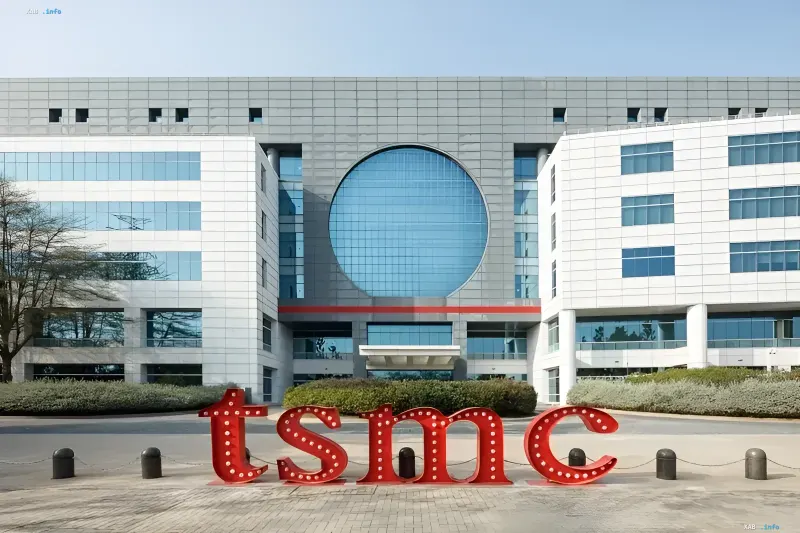
Taiwan Semiconductor Manufacturing Company (TSMC) and Samsung Electronics have suspended shipments of certain semiconductor products to their Chinese clients. According to sources, both vendors have notified customers in the PRC that specific chips will not be shipped until the US Department of Commerce reviews and issues the relevant export licenses. The restrictions remain in effect until new export approvals are obtained.
Who is affected by the supply pause
Among Samsung’s Chinese clients who received the notification are ByteDance and Kunlun, Baidu’s division dedicated to developing data centers for artificial intelligence tasks. Amid shortages of Nvidia accelerators—which announced earlier this week that it was halting shipments of Hopper-series AI accelerators for data centers to China—both companies started looking for alternative suppliers. Thus, the pause by TSMC and Samsung compounds the existing shortage of computing components in the Chinese market.
What the new US Department of Commerce rules changed
The suspension of supplies is tied to a new US Department of Commerce rule concerning the access of Chinese companies to foreign data centers. The new restrictions also affect contract manufacturers: enterprises engaged in chip production and packaging are now required to treat any high-performance chip developed in China as a controlled component for AI systems—unless the developer is included on the US whitelist. Shipping such chips requires a separate license regardless of where the buyer is located. Previously, Chinese developers could channel orders through third-party packaging and testing companies that checked components for compliance with export restrictions and, if everything was in order, shipped them without a license. The US Commerce Department has closed this loophole.
Smartphones under the gun
The new regulations eliminated exemptions that allowed chipmakers to prove their products were intended for non-AI purposes, such as use in smartphones. Against this backdrop, TSMC and Samsung were forced to notify Chinese consumer electronics clients about the suspension of shipments. TSMC manufactures chips for several Chinese smartphone makers, including Xiaomi, Oppo, and Vivo. According to sources, the vendor will likely receive a license to supply these components, but the suspension could cause significant production delays.
Impact on revenue and the market
For TSMC, China remains a relatively small market: according to its quarterly financial report, in the third quarter, clients from the PRC accounted for about 5% of revenue, compared to 8% a year earlier. The suspension of supplies exacerbates the shortages already faced by Chinese tech companies: memory chip prices have risen, and local manufacturers such as SMIC are experiencing a lack of production capacity. Under the new rules, shipments that were already in transit when the restrictions took effect may be completed under previous conditions, but no later than December 21.