The Armed Forces of Ukraine have decided to temporarily suspend the replenishment of personnel in assault units of the Ground Forces. This was reported by a source in the General Staff of the Armed Forces of Ukraine. According to the data received, the moratorium on sending new servicemen to assault units came into force on July 26.
Details of the Commander-in-Chief's Order
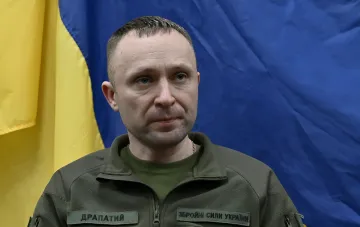
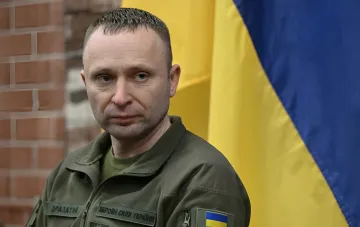
The decision to freeze the manning process was initiated by the new Commander-in-Chief of the Armed Forces of Ukraine, Major General Mykhailo Drapatskyi. Information about the directive, issued five days after Drapatskyi took office, is confirmed not only by sources in the headquarters but also by representatives of three assault regiments.
As of the end of July, the process of transferring marching reinforcements to assault structures has been halted. This means that recruits from training centers, as well as mobilized specialists, are temporarily not being sent to these units to replenish losses.
Reasons and Objectives of the Audit
The General Staff explains that this measure does not indicate a winding down of the activities of assault formations. On the contrary, this is a step aimed at conducting a deep internal audit and inventory of human resources.
The command has set itself the task of analyzing the current situation with manning in detail. In particular, specialists are evaluating:
- The actual numerical and qualitative composition of each unit;
- The effectiveness of the use of assault forces during previous military operations;
- The disproportion in the distribution of personnel between rear services and line infantry;
- The primary needs of defensive orders in various sectors of the front.
Strategic Context
The decision on the moratorium correlates with the results of the meeting of the Supreme Commander-in-Chief's Staff, held on July 31. During the report to President Volodymyr Zelenskyy on the situation in the areas of Sloviansk, Konotop, and the Zaporizhzhia direction, General Drapatskyi emphasized the need for technological containment of the enemy.
Instead of the traditional approach to holding positions, the army is moving to a strategy based on expanding electronic warfare (EW) programs and accelerating the transfer of FPV drones directly to brigades. In parallel, a process of financial motivation has been launched: a new payment grid has been approved with significant bonuses for capturing positions and destroying equipment, which is intended to shift the focus from mass mobilization to targeted professional effectiveness.
Preliminary data indicate that the personnel audit will last several weeks. Based on its results, the Commander-in-Chief plans to present an updated plan for reforming the structure of the Defense Forces, aimed at increasing the effectiveness of assault units.