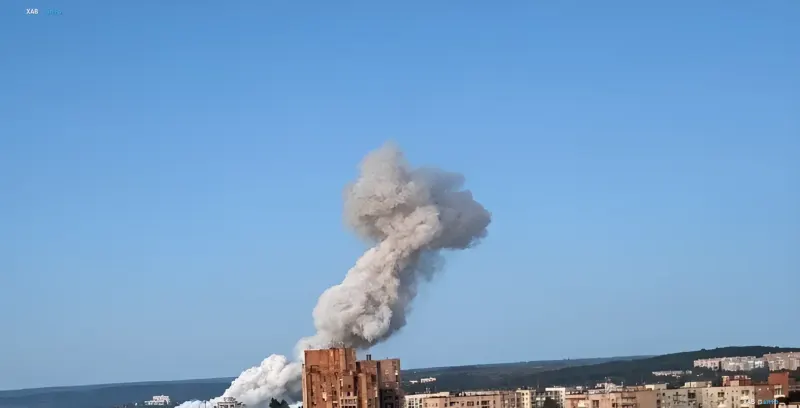
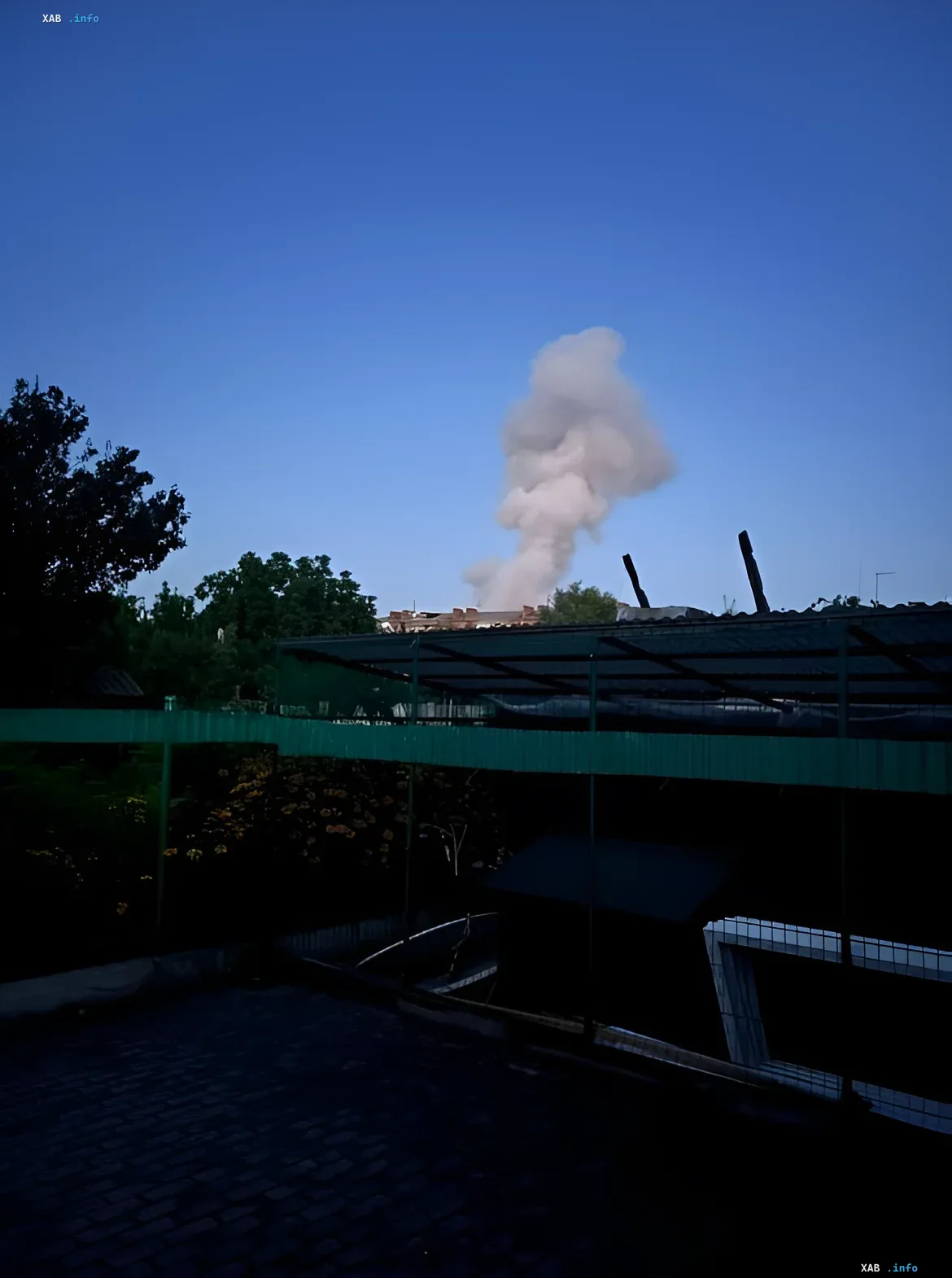
On Friday, July 31, 2026, powerful explosions were recorded in Sloviansk, Donetsk region. Russian aviation struck the urban area, becoming part of a general trend of intensified attacks on the Sloviansk-Kramatorsk agglomeration. Reports emerged in the information space about the use of a super-powerful warhead, however, official data requires clarification of the incident details.
Based on a fact-check conducted using data from the Donetsk Regional Prosecutor's Office and the State Emergency Service (SES), rumors regarding the use of a KAB-1500 guided air bomb were refuted. The official briefing confirms the use of three guided air bombs (GAB) of a smaller caliber. The use of a 1.5-ton bomb would have led to the large-scale destruction of residential quarters, which was not observed.
As a result of the airstrike carried out by Su-34 aircraft, damage was sustained by objects in the private sector and industrial zone. Two private houses were completely destroyed, while six other buildings suffered serious damage: windows were blown out, facades were destroyed, and roofs were torn off. Rescue teams promptly extinguished the fires. Fortunately, at this time, there is no confirmed data on casualties or injuries among the civilian population — residents of the destroyed houses managed to leave the buildings before the strike.
The operational situation in Sloviansk remains critical. President Volodymyr Zelenskyy, during a meeting of the Supreme Commander-in-Chief's Headquarters, identified the Sloviansk and Konstantynivka directions as zones of maximum defensive tension. The new Commander-in-Chief of the Armed Forces of Ukraine, Major General Mykhailo Drapatyi, noted in his report the difficulty of holding the front lines under conditions of intense aerial pressure.
In connection with the personnel audit and the freezing of the deployment of new reinforcements to assault regiments, defense forces in the region are transitioning to a tactic of deep technological defense. Additional electronic warfare (EW) systems are being urgently transferred to the city. However, military experts point out the limited effectiveness of dome-type EW systems against heavy glide bombs. The only reliable means of protection in this case remains the deployment of long-range air defense systems capable of intercepting bombers before they drop their ordnance.