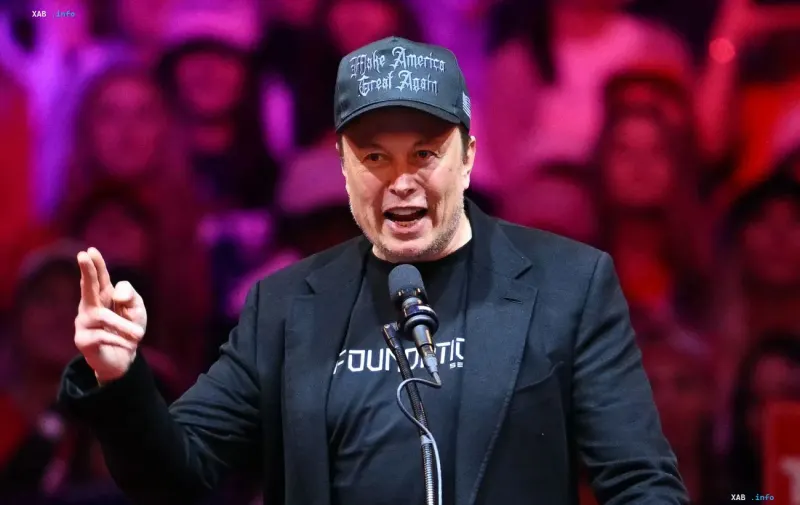
American billionaire Elon Musk, owner of SpaceX and the X platform, has issued a series of statements criticizing the current dynamics of the military conflict in Ukraine and the nature of Western financial support for Kyiv. In his public remarks, the businessman focused on the alleged use of international aid, questioning the transparency of fund distribution and the effectiveness of the American foreign policy agenda.
Accusations Against Ukrainian Elites
In a post on the social network X, Elon Musk stated there is a deep rift in interests between the Ukrainian leadership and the country's ordinary population. According to the billionaire, Ukrainian elites are allegedly reaping significant financial benefits from the hundreds of billions of dollars provided as aid, while ordinary citizens bear the main casualties on the battlefield.
Theory of 'Laundering' American Funds
Beyond criticizing the internal situation in Ukraine, Musk put forward a thesis regarding a corrupt element in the American aid mechanism. According to his version, a significant portion of U.S. taxpayer funds directed to Kyiv allegedly returns to America through certain mechanisms for "money laundering" intended to fund political campaigns. The entrepreneur believes this explains the heightened interest of part of the American establishment in the Ukrainian conflict at the expense of their own population's interests.
Background and Washington's Reaction
These statements by Musk echo his previous controversial actions regarding Ukraine. The billionaire's decision to restrict the operation of the military version of the Starlink satellite communication system was widely discussed, as it created problems for Ukrainian military operations and caused concern in both Kyiv and the U.S. administration. Congress has repeatedly demanded an official investigation into these facts, as such restrictions by a private company could be classified as a violation of U.S. law.
Consequences for Geopolitical Dialogue
The statements by a businessman who possesses influential information resources create additional difficulties for diplomatic settlement and the long-term planning of financial support for Ukraine. Such rhetoric within American society intensifies the discussion about the expediency of expenditures and requires U.S. officials to provide additional arguments to justify further aid, which in the long run could affect the volumes and dynamics of critical resource supplies.