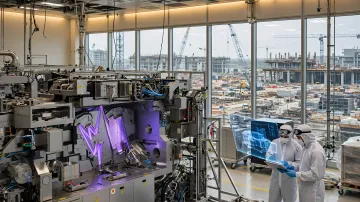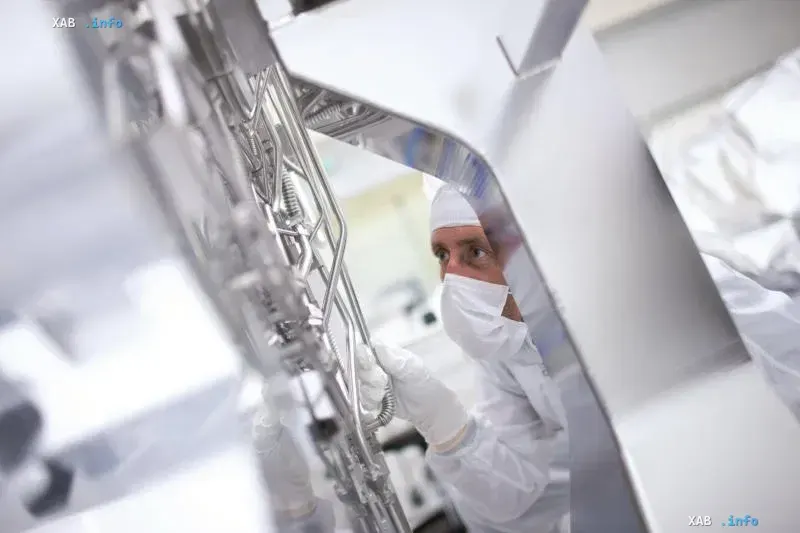
Elon Musk's Terafab project is facing an unusual logistical and manufacturing collision. The advanced EUV lithography system could arrive at the site as early as the middle of next year, while the construction of the main facility's shell will only conclude at the end of 2027, with equipment installation scheduled even later. Consequently, the costly high-tech equipment will inevitably sit idle in a warehouse for some time.
Background and Launch of the Terafab Project
Tesla officially initiated its semiconductor enterprise at the northern campus of the Giga Texas plant near Austin earlier this year. According to current plans, constructing the physical building will take approximately 15 months, followed by another six months to set up engineering systems and infrastructure. Only after completing these stages will the company be able to begin processing wafers as part of experimental chip manufacturing.
Contradictory Data
There are noticeable discrepancies in project schedules and timelines across different corporate announcements and internal plans. While the Austin project targets construction completion by late 2027, the concurrently developing SpaceX division announced the selection of a site for a similar Terafab plant in Grimes County, Texas, in August 2026. According to official analyst estimates, building the first phase there will take 20 months, equipping it will take 17 months, and full production capacity is expected only by mid-2030. Meanwhile, unofficial sources claim that orders for semiconductor equipment were placed as early as spring 2026, long before the public start of construction work, raising the risk of prolonged downtime for expensive ASML EUV scanners.
Technological Choices and the Competitive Environment
Given the colossal shortage and complexity of acquiring ASML Twinscan NXE scanners, storing them prior to building commissioning will incur significant costs. Nevertheless, choosing proven low numerical aperture (Low-NA) equipment appears justified, as the plant intends to leverage the Intel 14A process. This will avoid the risks associated with implementing unproven free-electron lasers.
Implications for Market Positions
It is worth noting that Terafab will lag behind major industry leaders. Intel plans to begin pilot production using the 14A process in the second half of 2027, while TSMC intends to transition to the advanced A12 process with GAA nanosheet transistors by late 2029. However, since Musk's enterprise is designed exclusively to meet the internal needs of Tesla and SpaceX, this temporary technological lag will not pose a critical issue for the business.