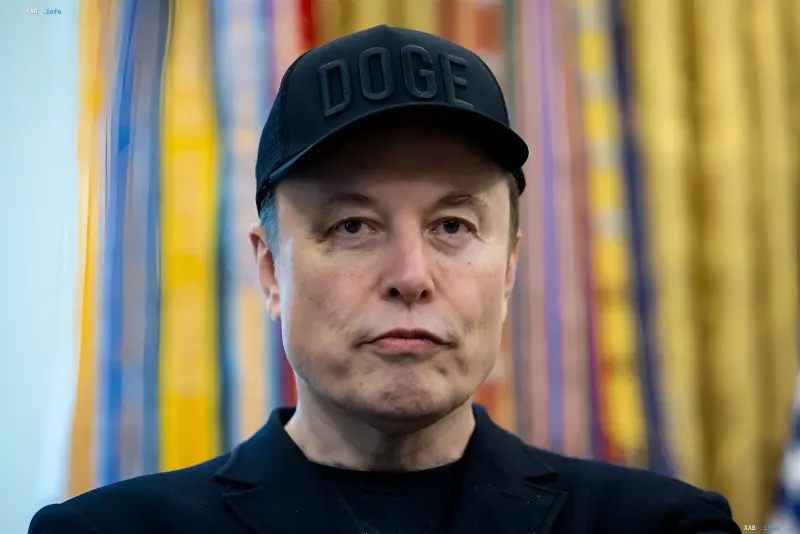
On October 14, 2026, American billionaire and SpaceX founder Elon Musk made a resonant statement regarding the functioning of the Starshield satellite system in the Ukrainian conflict zone. During a discussion on the X platform, he directly stated that any restrictions on speed or geographic range of the system are determined exclusively by the US military and personally by President Donald Trump. This position was voiced against the backdrop of reports that Ukrainian units faced a sudden termination of access to a critical communication segment.
Technical restrictions and military context
According to reports, network access was blocked for all devices moving at speeds exceeding 160 km/h. This led to critical failures in controlling Ukrainian UAVs, as well as aircraft and helicopters using Starshield for navigation and communication. Musk emphasized that Starlink is a commercial service, and its use for offensive military operations is unacceptable from the company's policy perspective, which forces SpaceX to follow US government directives.Contradictory data
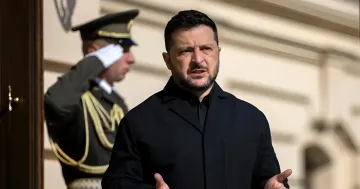
The situation is characterized by significant disagreements regarding the causes of the incident. While Musk insists on complying with official government orders and the company's principled stance against the "offensive" use of the system, the Ukrainian leadership views the event as a dangerous technical anomaly or a political decision that requires urgent review. President Volodymyr Zelenskyy expressed concern that the lack of communication would lead to significant casualties and called on Washington to restore access, characterizing the situation as a violation of the spirit of partnership.
Political consequences
The incident coincided with rising tensions between Kyiv and the Trump administration. Reports suggest Washington is threatening to stop intelligence sharing and weapons shipments in response to Ukraine's strikes on Russian energy infrastructure. At the same time, experts link the situation to a general shift in the White House's foreign policy course, prioritizing deals with Moscow, including the recent authorization for Russian diesel exports to the US, which has sparked protests even within the Republican Party.