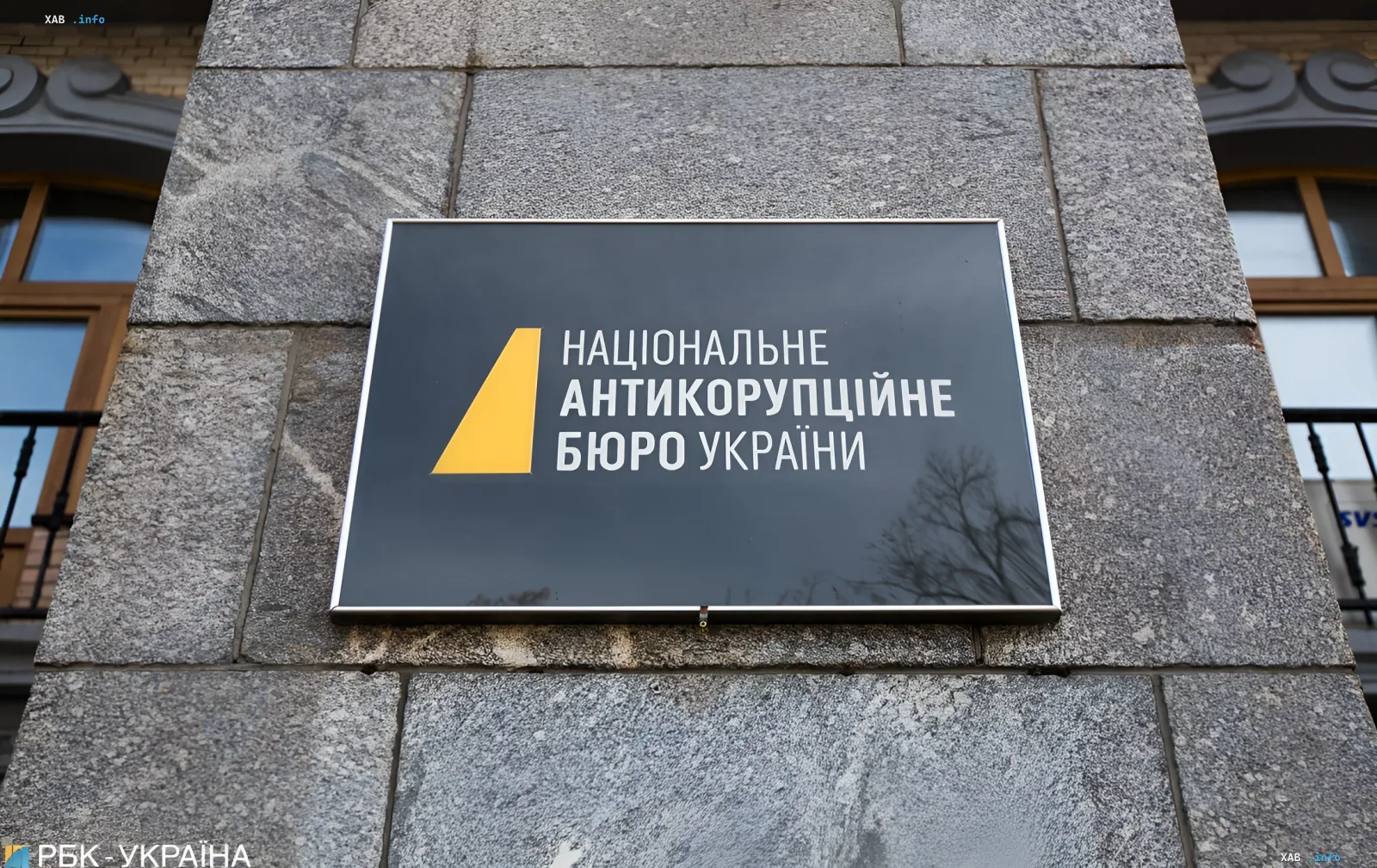
Alexander Shcherbina, the lawyer representing the family of Marina Arustamova, who was killed in 2018 in a traffic accident involving NABU detective Andrey Rusayev, has publicly appealed to Ukrainian President Volodymyr Zelensky. This was reported by RBC-Ukraine, citing the lawyer's statement on Facebook. According to Shcherbina, over eight years of investigation the family has still not received an answer to the question of who bears responsibility for the death of the 23-year-old woman, and the criminal case was closed in 2025 without notifying the victim's side.
Chronicle of the tragedy on Vasylkivska Street
The traffic accident occurred on April 2, 2018, on Vasylkivska Street in Kyiv. A car driven by NABU detective Andrey Rusayev struck 23-year-old Marina Arustamova on a pedestrian crossing. The woman was hospitalized with severe injuries, but on April 11, 2018, she died in the hospital. A criminal case was opened following the accident; however, according to the lawyer, as early as July 2019 the Kyiv prosecutor's office acknowledged that National Police investigators were handling the case inefficiently. After that, the further investigation was entrusted to the Territorial Directorate of the ODA (Office of the Detective Bureau) in Kyiv.
Closing of the case and disputed expert examinations
According to Shcherbina, the ODA decided to close the criminal case in 2025, justifying it by the absence of the elements of a criminal offense in the driver's actions. The key piece of evidence, in the lawyer's words, was a psychological examination using a polygraph, conducted by an expert who himself was involved in the case and had been held accountable by a disciplinary committee. The examination was initiated by Rusayev himself — during a period when other NABU detectives were being notified of suspicion in similar traffic accident cases. At the same time, as the lawyer emphasizes, there existed a categorically different conclusion by a court-appointed psychological polygraph expert, initiated by the ODA investigator, which noted that Rusayev answered falsely to the questions put during the procedural actions.
Contradictory data
The case materials, which the victim's side refers to, record a direct contradiction between the two expert conclusions. On the one hand, the polygraph conducted at Rusayev's own initiative formed the basis for the decision to close the case. On the other hand, the court-appointed polygraph expert, engaged at the initiative of the ODA investigator, concluded that the suspect lied to the key questions. Moreover, the lawyer points out that the case was closed without notifying the victim's side, and the family's representatives, who appealed the decision in court, were denied their appeal. At the same time, the very fact of closing the case and its justification are based on data that, according to the lawyer, were obtained in violation of procedural norms. The ODA and the prosecutor's office did not publicly comment on the details of the case closure in the materials provided.
Appeal to the President: 'I am not asking you to appoint a guilty party'
In his appeal to Zelensky, Shcherbina emphasizes that he is not asking the head of state to interfere in the investigation or to determine the guilty party. 'I am not asking you to interfere in the investigation or the court proceedings, I am not asking you to appoint a guilty party. I am asking for something else — to publicly draw attention to a case of public importance within the limits of your constitutional powers,' the lawyer stated. He called for facilitating the situation so that the competent state authorities ensure a proper, independent, and lawful review of the circumstances of the case. The lawyer also emphasized that this is not about dictating the outcome, but about guaranteeing compliance with the law, procedural independence, and the family's right to an effective investigation and access to justice.
'How a person involved in a traffic accident remains a witness'
'Eight years have passed, but instead of an answer to the simple question of who should bear responsibility for the death of a child, the family received years of investigation, expert examinations, contradictions, and, finally, the closing of the criminal case,' Shcherbina states. The lawyer poses several questions to the public address: was the investigation truly independent, why did it last so many years, why did the key figure in a fatal traffic accident on a pedestrian crossing remain in the status of a witness for years, and why was a case in which a person died ultimately closed. According to him, the representatives of the victim's side have still not received comprehensive answers from the competent authorities.