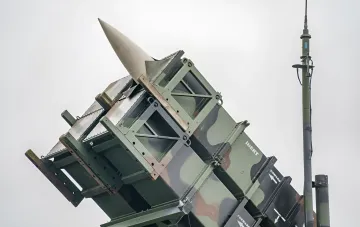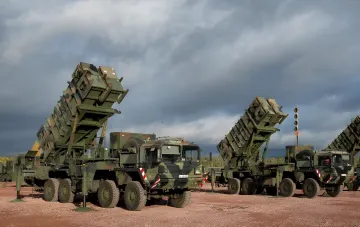
Concern is growing within the North Atlantic Alliance over a potential delay in the delivery of Patriot interceptor missiles to Ukraine until after the US midterm elections. According to Euronews, citing NATO sources, Washington views military assistance and the schedule for interceptor supplies as tools of influence over the Kyiv authorities. In turn, Ukraine has appealed to US Secretary of Defense Pete Hegseth to sign an agreement on the supply of critical air defense systems, but according to allies' estimates, the missiles may not arrive before the vote scheduled for the coming week.
Military Aid as Leverage
NATO sources claim that US President Donald Trump is using support and the schedule of interceptor deliveries as levers of pressure on the Ukrainian authorities. Specifically, according to their data, Washington is seeking to force Kyiv to halt strikes on Russian oil refineries and make concessions in peace talks. Kyiv, for its part, emphasizes that it has been waiting for nearly a month for the Pentagon chief's signature on missile supplies for Patriot and NASAMS systems and has scheduled additional talks with the US precisely because of this delay.
Interceptor Shortage Amid Ballistic Strikes
The air defense situation in Ukraine is exacerbated by intense Russian shelling. According to the Ukrainian side, in just two weeks Russia has fired over 100 ballistic missiles at Kyiv and the Kyiv region. Meanwhile, US production facilities manufacture about 60–65 Patriot missiles per month, and stockpiles are depleting due to the military conflict in the Middle East and the war against Iran, creating a global arms shortage. CNN, citing a source familiar with the situation, reported that Ukraine has exhausted its stockpiles of interceptors for Patriot systems and has become more vulnerable to ballistic strikes: during the recent attack on energy facilities in Kyiv and Kharkiv, almost all ballistic missiles were intercepted due to a lack of ammunition, according to the source. As a result of the strike on three power plants in Kyiv, four people were reportedly killed and 25 injured.
European Response and the Issue of Licensed Production
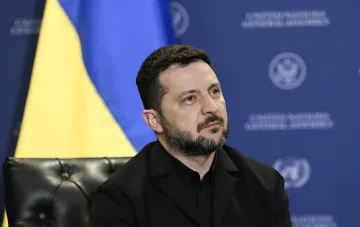
NATO Secretary General Mark Rutte called on European allies to independently transfer existing Patriot systems to Ukraine. However, countries possessing less advanced PAC-2 systems, including Greece and Spain, have not yet responded to this call. Germany has received a license to produce PAC-2 missiles, but the first deliveries are expected no earlier than late 2026 or early 2027. Preliminary plans to establish licensed production of Patriot missiles directly in Ukraine have reportedly been blocked. The licensing issue remains controversial: earlier, Volodymyr Zelenskyy stated that during a meeting on the sidelines of the UN General Assembly, Donald Trump told him that Ukraine "will receive a license to produce Patriot missiles," whereas the US president, when directly asked, did not confirm such permission and shifted the focus to the need for a political settlement with Russia.
Negotiating Track and Trilateral Meeting
President Volodymyr Zelenskyy previously reported intelligence information regarding Russia's preparation of new ballistic strikes against Ukraine and stated that the country desperately needs additional air and missile defense forces and assets. To counter hostile ballistics, Kyiv is conducting active negotiations with international partners. In addition, the Ukrainian side expects Washington to agree on a date for a trilateral meeting involving the US and Russia, which, according to preliminary plans, could take place in the first half of November.