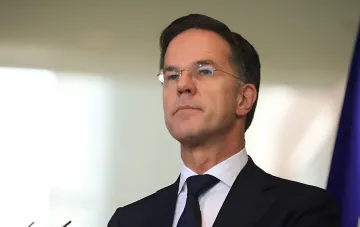
NATO headquarters stated that Russia is deliberately trying to destabilize European democracies and dissuade Western countries from continuing to support Ukraine. According to an Alliance spokesperson, hostile attempts to undermine public trust “are nothing new,” but their scale and nature require constant vigilance. “Russia wants to create fear, destabilize our societies, and talk us out of supporting Ukraine. This won’t work,” he emphasized, adding that allies and partners are noting “a series of hybrid or ‘gray zone’ actions,” including cyberattacks, information threats, political interference, and sabotage.
The Kremlin’s Goal: Break the West’s Will
As follows from statements by Alliance representatives, the main objective of Moscow’s sabotage and hybrid activity is not so much specific material losses as psychological and political impact: to shake citizens’ trust in democratic institutions and create a sense of vulnerability. This, NATO assesses, is meant to push European capitals to reduce their aid to Kyiv. In this context, the Alliance notes that allies have agreed to direct additional resources toward protecting critical infrastructure and to expand data sharing in order to detect new hybrid threats in a timely manner.
NATO’s Response: Strengthening Cyber Defense and Intelligence Sharing
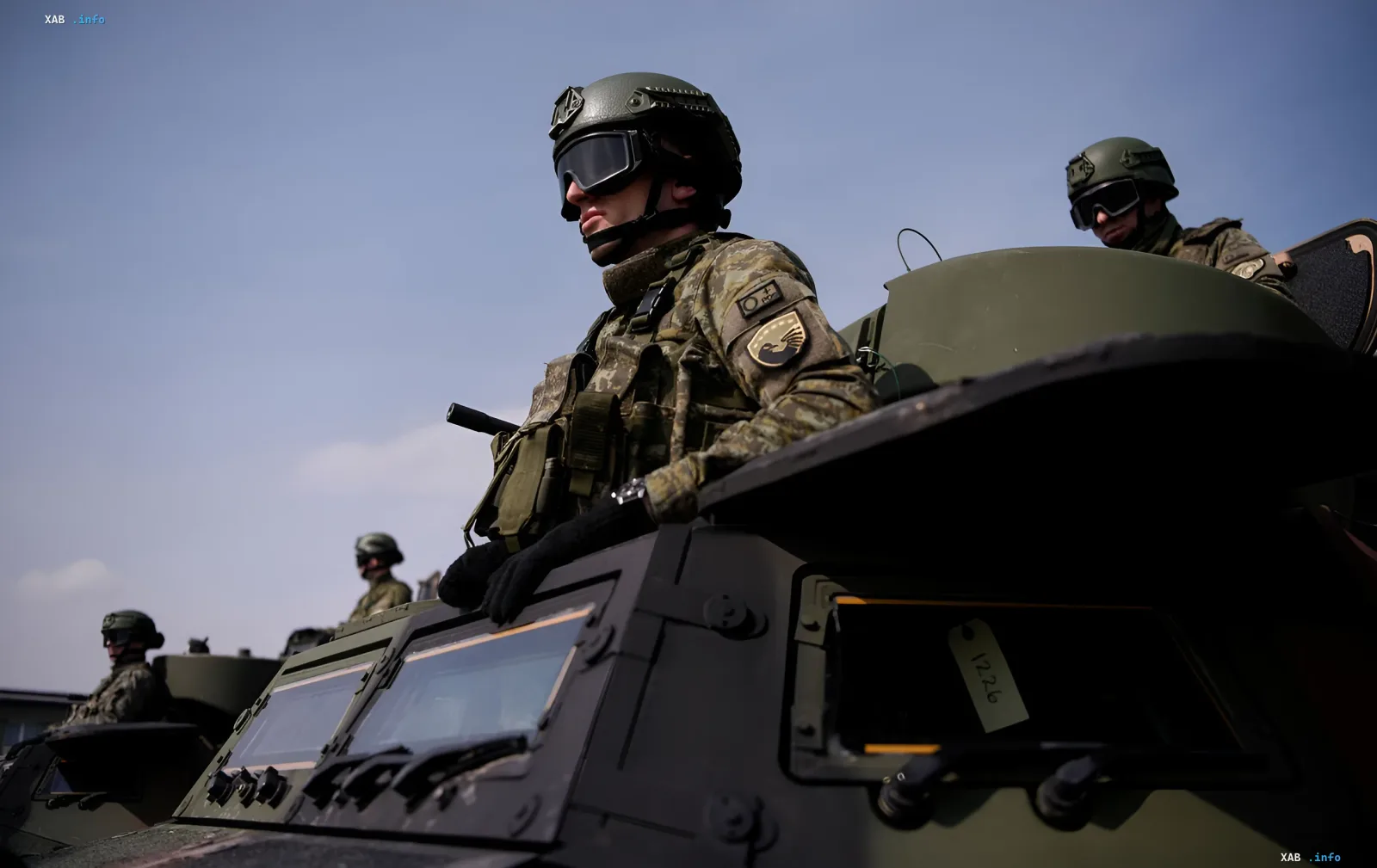
In response to growing threats, NATO is reportedly strengthening cyber defense and information-sharing mechanisms among member states. Protecting critical infrastructure—energy, telecommunications, and transport systems, which are most vulnerable to sabotage and cyberattacks—has been named a priority. Expanding data sharing allows allies to detect anomalies faster and coordinate their response to incidents in the “gray zone,” where the adversary’s actions do not reach the threshold of open armed conflict.
Polish Statistics: An Acceleration in Espionage Cases
The practical side of hybrid pressure is illustrated by statistics from Poland, where law enforcement authorities published data on investigations into espionage on behalf of foreign intelligence services. In the eight months of 2026, at least 40 new cases under the relevant article were opened, whereas over the entire year of 2025 there were 67 such cases. The trend points to a marked acceleration in the pace of uncovering intelligence activity against the backdrop of the ongoing hybrid campaign.
Contradictory Data
The parties’ public formulations show a difference in assessing the situation. On the one hand, the NATO spokesperson categorically states that Russia’s plan “won’t work” and emphasizes the Alliance’s readiness to defend. On the other, a number of European outlets note that within the Alliance there are discussions about the applicability of Article 5 in response to Russian hybrid attacks, while Europe, according to them, is currently cautious about a hard response, fearing escalation. Thus, the confidence in NATO’s official statement coexists with caution in the practical policy of response, as well as with a growing number of uncovered espionage cases, which indicates an intensification rather than a weakening of pressure. The differences in these assessments reflect the gap between rhetoric and readiness for concrete measures.