The NATO summit held on July 7–8, 2026, in Ankara concluded with the adoption of a joint declaration in which participants reaffirmed their “unwavering commitment” to the principle of collective defense and steadfast support for Ukraine. For the European side, the meeting was an attempt to formulate a common strategy that, in tandem with the US, would increase pressure on Moscow and bring the end of the war in Ukraine closer. However, behind the outwardly united front lay noticeable friction, which US President Donald Trump signaled both before and during the summit.
A United Front and the Final Declaration
Following two days of work, the alliance published a joint document sealing unity on the issue of support for Ukraine, as reported by Radio France citing the summit results. The text of the declaration places emphasis on collective defense and the allies' readiness to continue providing assistance to Kyiv. According to observers, this format was intended to demonstrate that within NATO, despite internal disagreements, a basic agreement on joint action remains intact.
Trump and Ally Resentment
At the same time, according to DW, the American leader made no secret of his dissatisfaction with European partners and during discussions brought up issues related to Iran and Greenland. These remarks became one of the main sources of tension surrounding the summit; the question of whether the meeting would pass without a scandal was raised even before it began. Expert context for the discussion was provided, in particular, by Olga Oliker, Director of the Russia and Europe Programs.
Ukraine: Air Defense and the Patriot License
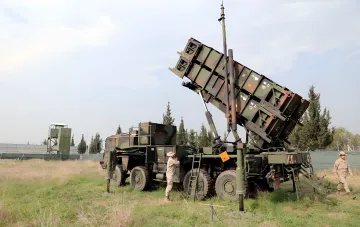
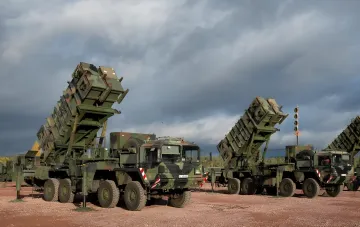
The President of Ukraine was also in Ankara and reportedly advocated for allocating additional funds to Kyiv for air defense systems, while also awaiting a meeting with Donald Trump. An important outcome of the summit in this area was the US decision to grant Ukraine a license to produce Patriot systems, which the US State Department called “only the beginning,” as reported by the agency in a comment relayed to RFI.
Prospects
Thus, the Ankara summit combined two scenarios: a formal affirmation of alliance unity and support for Ukraine on the one hand, and open friction between Washington and European capitals on the other. For Kyiv, the key practical results were the Patriot license and calls to strengthen air defense, while for Europe, the meeting served as a test of how sustainable the common strategy of pressure on Moscow is amid difficult relations with the US.