August 7, 2026. NATO member states have confirmed an unprecedented volume of financial and military support for Ukraine over the next two years. According to the General Staff of the Armed Forces of Ukraine (AFU), the Alliance plans to allocate €70 billion in the current year, 2026, and no less than a similar amount in 2027. These funds will be directed towards the procurement of weaponry, maintenance, as well as large-scale personnel training programs.
New Phase of Integration: From Training to Logistics
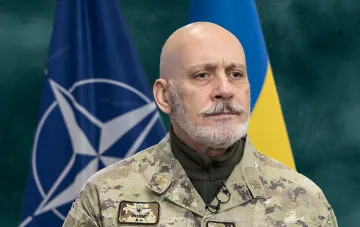
The coordination of Alliance efforts is managed by the NATO Security and Training Assistance Mission for Ukraine (NSATU). To date, training programs have already covered tens of thousands of Ukrainian servicemen. Preparation is being conducted across a wide spectrum of areas: from combat tactics and battlefield medical aid to air defense issues. The Deputy Commander of NSATU, a Major General, noted that Ukraine now has a unified coordination mechanism, allowing it to focus on combat operations, while logistics and technical support are taken over by partners.
Contradictory Data: Strategic Deadlock or New Course?
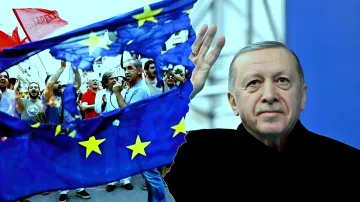
Despite the increase in financial aid, Ukraine's political vector regarding NATO is sparking sharp debates. On one hand, massive funding and training confirm close integration. On the other hand, the topic of Ukraine's official membership in the Alliance has noticeably slowed down. At the recent NATO summit in Ankara, this issue, contrary to expectations, was not raised, despite the presence of President Zelenskyy.
Furthermore, Ukraine's Ambassador to the United Kingdom, Valeriy Zaluzhny, criticized the current model of NATO accession, proposing to focus on creating new defense alliances. This creates a paradoxical situation: Ukraine receives colossal resources from the Alliance, but simultaneously its diplomatic leadership is seeking alternative security formats not tied to the classic NATO structure.
Alternative Format: Joint Expeditionary Force
In response to the slowing of the membership process, Kyiv has intensified work within other structures. As early as November 2025, Ukraine joined the Joint Expeditionary Force (JEF) as an extended partner. This became a historical precedent, as Ukraine became the first state not part of the Alliance to receive such status. Experts note that this format could become the basis for a new security architecture in Europe, where Ukraine plays a key role.
Instructors' Position: "The War is Fought by Ukrainians"
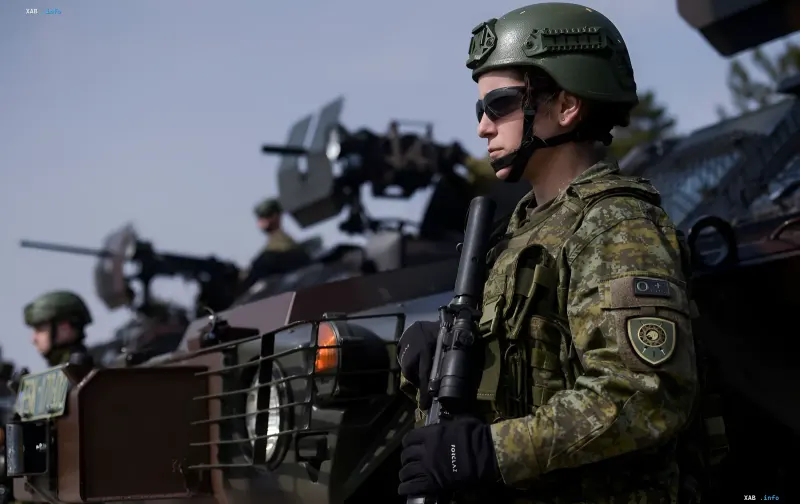
Captain Petter from the Norwegian Armed Forces, participating in the training program, emphasized that the role of instructors is limited to upskilling. "We are doing absolutely everything we can to raise the level of soldier training, but it is the Ukrainian military who are fighting now, not instructors from other countries," he stated. This underscores that NATO aid is aimed at strengthening the combat readiness of the AFU, rather than the direct participation of allies in combat operations.