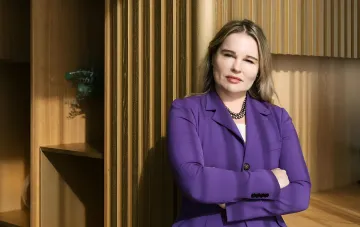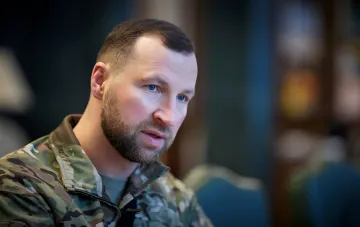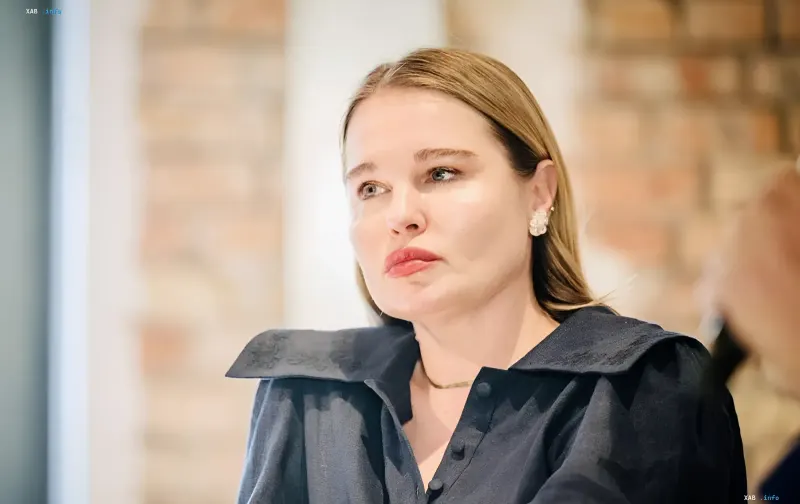
The change in leadership at Ukraine's Ministry of Defence did not lead to a halt in the work of the Ukraine Defence Contact Group (UDCG), known in public discourse as “Ramstein.” This was stated by Alona Hetmanchuk, Head of the Mission of Ukraine to NATO, in an interview with RBC-Ukraine. According to her, the break associated with the absence of a full-fledged defence minister did not trigger a pause in the group's work, because the reform of “Ramstein” carried out over the past year has made the coordination process continuous and multi-level.
The “Ramstein” Reform: From Episodic Meetings to a Standing System
As Hetmanchuk explained, the work of the UDCG is no longer limited to meetings at the defence minister level. After NATO, at the initiative of Germany and the United Kingdom, joined the coordination and organizational work within the framework of “Ramstein,” several key mechanisms were created that ensured the continuity of the process. This means that even during periods of personnel changes in Kyiv or Brussels, the coordination of military aid to Ukraine does not stop but continues in a normal mode at various levels.
Three Key Mechanisms of Continuous Coordination
The first of these is the UDCG Leadership QUAD format, which includes the United Kingdom, Germany, Ukraine, and NATO. In this format, meetings are held either at the defence minister level or at the level of their deputies between the group's main sessions. The second element of the reform is the UDCG Team — a team at the level of NATO's international secretariat, located at the Alliance's headquarters. On a daily basis, it tracks the contributions of partner countries: what aid they have pledged to Ukraine and at what stage its actual provision is. The third mechanism is the UDCG Delivery Unit — an expert-level working group that includes representatives of the United Kingdom, Germany, Ukraine (in particular, staff of the Mission of Ukraine to NATO), as well as the Alliance's international secretariat. Its sessions are held weekly; at them, the fulfilment of all commitments undertaken by the countries is tracked, and preparations for the next “Ramstein” sessions continue.
Ukraine as a Source of Defence Capabilities
Previously, the Head of the Mission of Ukraine to NATO noted that the Alliance is increasingly viewing Ukraine not only as a recipient of aid but also as a source of its own defence capabilities. In her words, Ukraine's combat experience and the country's existing capabilities could, in the long term, strengthen the European pillar of NATO and partially compensate for the capabilities currently provided by the United States. Thus, the “Ramstein” reform not only simplified the logistics of coordination but also established an institutional foundation for the deeper integration of Ukraine into the Alliance's defence architecture.
Contradictory Data
In the text of the RBC-Ukraine interview, the name of the Head of the Mission of Ukraine to NATO is mentioned in two variants: in the main part of the quotes — “Alena Hetmanchuk,” and in the editorial reminder at the end of the article — “Alona Hetmanchuk.” The difference is probably due to the transliteration of the Ukrainian name (Alona/Alena) and does not carry a factual contradiction; however, when quoting in further publications, it is recommended to use a consistent variant agreed with the official data of the Mission.