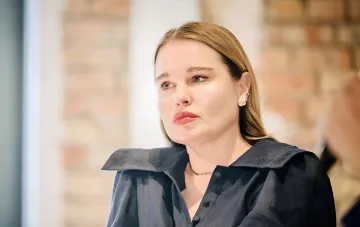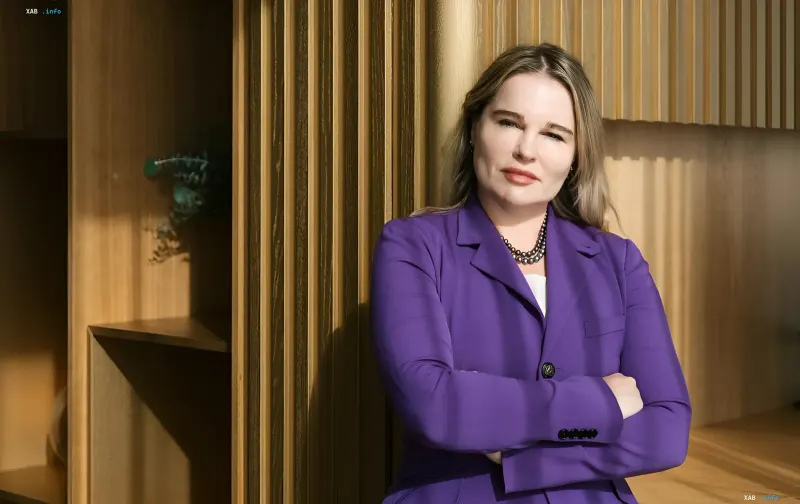
Ukraine's defense-support partners are gradually moving away from the old practice of transferring whatever weapons they have on hand and shifting toward a model of targeted funding for specific Kyiv needs. This was stated by Alona Hetmanchuk, Head of the Mission of Ukraine to NATO, in an interview with RBC-Ukraine. In her words, the key shift is that partners now channel funds primarily toward the areas that Ukraine designates as priorities, rather than toward whatever happens to be available in allied stockpiles.
From the warehouse model to targeted contributions
"The first key point: there has been a shift from a model in which we were handed everything that was in stock, and in some cases, as we all know well, this even amounted to transferring equipment that required substantial restoration. Today, this model is based on partners funding what Ukraine actually needs. We are talking about targeted financial contributions toward our priorities," Hetmanchuk explained. The diplomat clarified that Kyiv has identified three unchanging areas to which around 80% of all contributions is proposed to be directed. At the same time, specific needs within these areas can be adjusted depending on the operational situation at the front and the nature of the threats, making the system flexible yet strategically stable.
Predictability of requests and stability of priorities
For NATO, according to the Head of the Mission, the consistency and predictability of Ukraine's requests are critically important. Hetmanchuk noted that, despite the change of three defense ministers over the past year, the priorities set by Kyiv have remained essentially unchanged. In her assessment, this allows partners to better understand which areas to plan for in long-term support planning and reduces the risk of breaks in supply chains due to personnel changes in Ukraine's military-political leadership.
The prioritization principle: what is needed and what is not
Another significant change Hetmanchuk highlighted was the introduction of a prioritization principle. Ukraine now informs its allies not only about the weapons and means it needs, but also about the types of assistance it does not need. According to the diplomat, this approach allows the limited resources of NATO countries to be allocated more effectively and directed toward tasks that can directly affect Ukraine's defense capabilities, rather than toward areas that are already covered or do not match current tactics.
A unified coordination system and interim priorities
Kyiv is also developing interim priorities ahead of meetings of the Ukraine Defense Contact Group (UDCG), with specific amounts indicated. This is intended to allow funding to be shaped more precisely to current needs and to avoid a mismatch between stated requests and partners' actual capabilities. In parallel, all the main formats for coordinating defense assistance have been merged into a single system operating on the basis of a common list of Ukraine's needs. Previously, Hetmanchuk had noted that the updated format of the Contact Group's work has made the defense-support process more sustainable and independent of personnel changes: key decisions and the coordination of assistance are no longer tied exclusively to ministerial-level meetings, and work continues at several levels simultaneously.
Context and significance for future dynamics
The transformation described by Hetmanchuk reflects a broader trend in the relationship between Ukraine and its Western partners: from improvised "whatever is available" deliveries to an institutionalized system in which financial flows are tied to transparent and predictable priorities. The shift to a targeted-funding model, in effect, turns defense support into an instrument of joint planning rather than a reaction to donors' current stockpiles. For Ukraine, this means greater control over how exactly its allies' funds are used; for partners, it means reduced uncertainty when shaping national defense budgets.