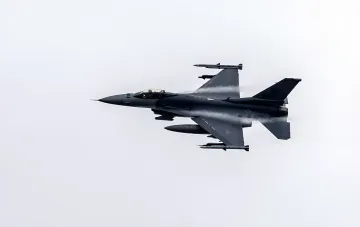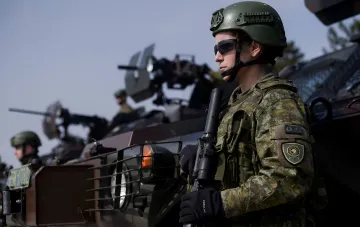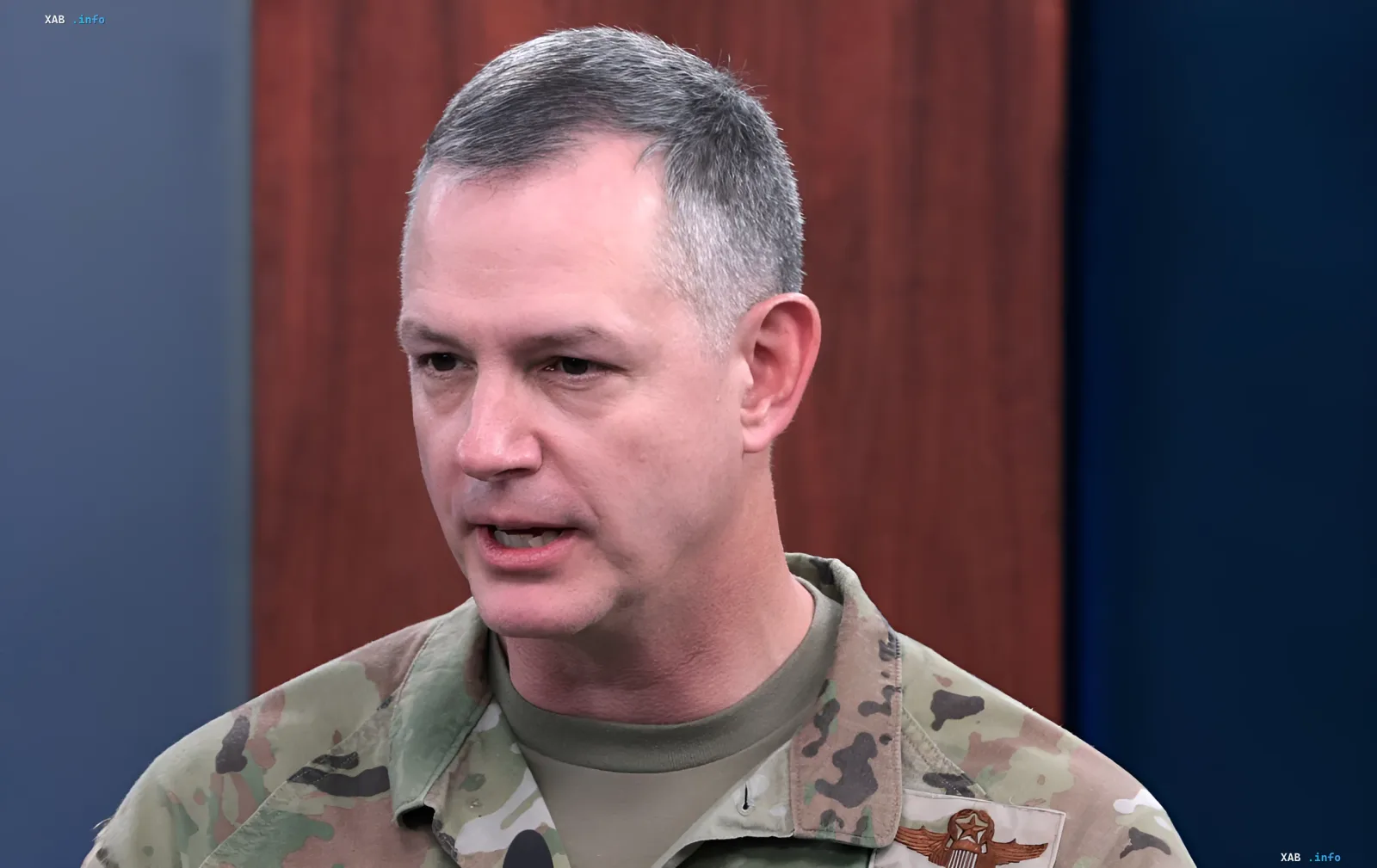
The North Atlantic Treaty Organization has presented a new strategic concept called the "Theory of Victory" in the event of a potential armed conflict with Russia. The development of this detailed three-stage plan at the Warsaw Security Forum was announced by General Alexus Grynkewich, Supreme Headquarters Allied Powers Europe, whose remarks were detailed by the Wall Street Journal. According to published data, a secret version of the document was finalized three months ago and aims to fundamentally alter the alliance's approach to the collective defense of its eastern flank.
The Essence of the "Theory of Victory" and Three-Stage Approach
NATO's new strategy is based on three consecutive stages: blocking the initial attack, halting the enemy's further advance, and subsequently breaking their military potential. Unlike past concepts, the document takes into account Russia's colossal geographical advantages and robust defense industry, which could theoretically enable a rapid breakthrough in the Baltic states or Poland before main reinforcements arrive. To mitigate this threat, the plan involves massive investment in so-called "affordable mass"—relatively inexpensive unmanned aerial vehicles designed to complement the alliance's expensive and sophisticated modern weapons arsenal.
Technological Support and Deep Territorial Strikes
A crucial component of the strategy is the creation of a vast "autonomous zone" where ground robotic systems and drones can effectively contain the Russian offensive while minimizing casualties among allied service members. At the same time, long-range missile systems will be deployed to deliver precision strikes against command posts, communication hubs, and air defense assets in strategically vital locations, including St. Petersburg and Kaliningrad. This will deprive the Russian command of airspace control and ensure a successful counterattack by the US Army V Corps and other NATO ground units, supported by a unified "data highway" for real-time classified intelligence sharing.
Personnel Reshuffle and Controversial Aspects
The concept's development relies heavily on the efforts of retired General Chris Donahue, former commander of the U.S. Army in Europe and head of Allied Land Command. However, serious personnel controversies arose around his figure: in July, Donahue was forced to step down after Defense Minister Pete Hegseth lowered his official status. Furthermore, experts and military analysts point out the absence of a clear timeline for implementing defense measures, exacerbated by the current global ammunition shortage caused by protracted conflicts in the Middle East.