The Russian Federation has moved to an active phase of hybrid confrontation, launching a new wave of sabotage operations targeting Danish companies that supply military products and equipment to support Ukraine. This was officially stated by Josephine Christensen, a leading analyst at the Danish Security and Intelligence Service (PET). According to her, this escalation occurred because the Kremlin's previous attempts to intimidate Western nations and halt military aid to Kyiv failed to yield the expected results.
Escalation of Hybrid Warfare and New Kremlin Targets
The active phase of planning and executing sabotage acts across Europe began at the beginning of this summer. Danish intelligence emphasizes that the operational boldness and audacity of Russian special services have significantly increased. While the spring period saw mostly operational planning and local reconnaissance, the onset of summer marked Moscow's transition to direct strikes against facilities that directly impact the frontline situation in Ukraine—specifically, defense industry enterprises.Recruiting Saboteurs via Social Media
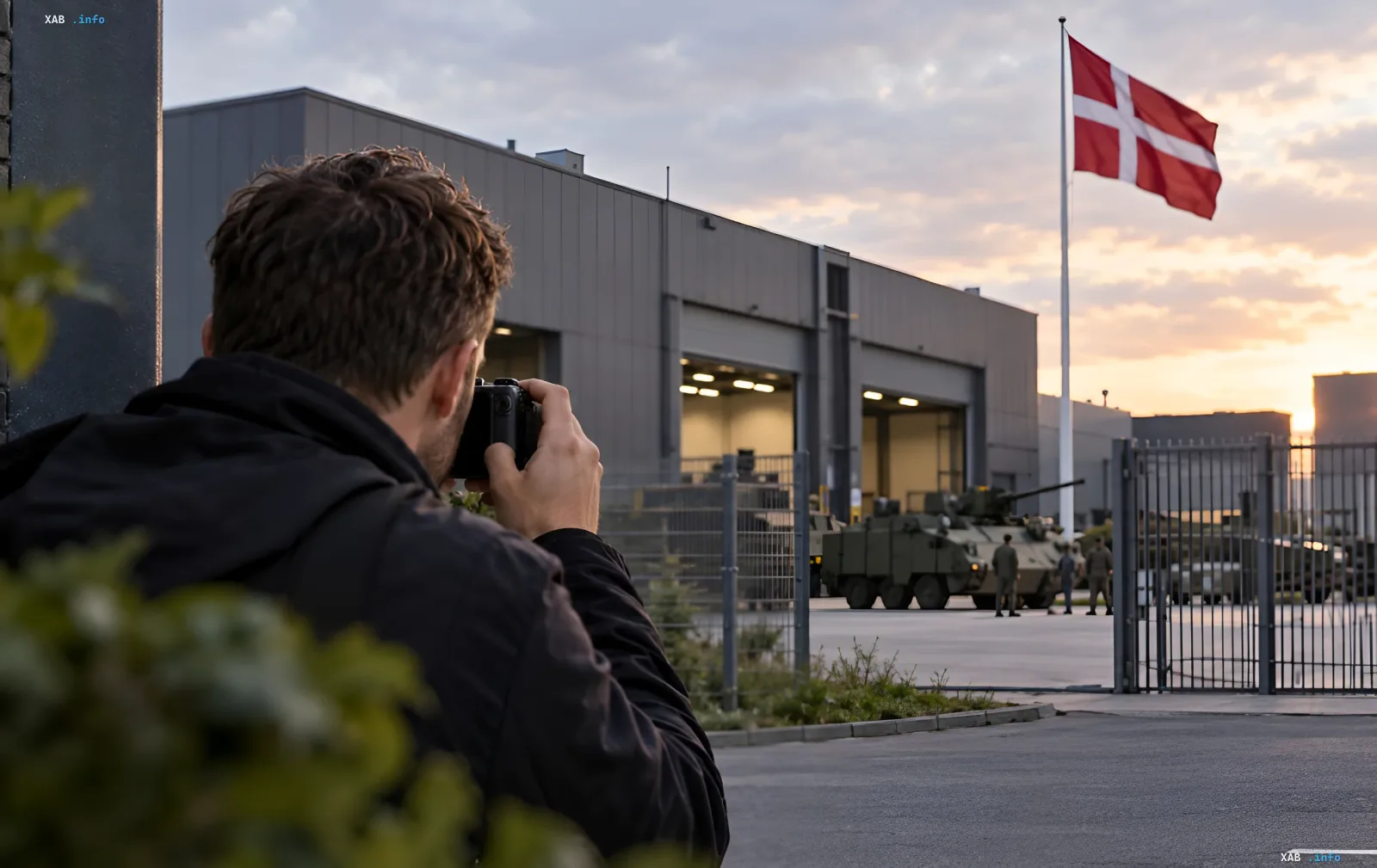
To execute these criminal plans, Russian handlers increasingly rely on random and untrained intermediaries directly within European countries. Marginalized groups, including drug addicts and homeless individuals, fall into the risk zone. The search and recruitment of operatives are conducted through popular messengers, particularly Telegram, and other social networks. Recruits are initially assigned simple tasks for quick cash—photographing objects, gathering intelligence, and monitoring enterprise grounds—before moving on to direct sabotage acts.