Ahead of the trilateral meeting scheduled for November 10, 2026, in Abu Dhabi, the positions of Kyiv and Moscow on the ceasefire issue remain diametrically opposed. According to a report by the Institute for the Study of War (ISW) cited by RBC-Ukraine, Ukraine has confirmed its readiness to discuss both a full and partial truce, whereas Russian officials consistently reject such proposals, showing no intention of softening their military course.
Kyiv reaffirms readiness for ceasefire
On October 25, President Volodymyr Zelenskyy publicly confirmed Ukraine's readiness for a ceasefire. According to him, this could involve either a full truce or specific agreements — in particular, a moratorium on strikes against energy infrastructure or combat operations in the Black Sea. Thus, Kyiv is shaping a negotiating position in which the issue of de-escalation is viewed through several options, ranging from a complete cessation of hostilities to targeted restrictions.
Format and date of trilateral talks
Ukraine intends to raise these issues at the level of trilateral negotiations involving representatives of Ukraine, the United States, and Russia. The meeting is scheduled for November 10, 2026, in Abu Dhabi. The format implies a direct discussion of ceasefire conditions mediated by Washington, making the upcoming round a key milestone on the diplomatic track.
Kremlin position: no restrictions on military operations
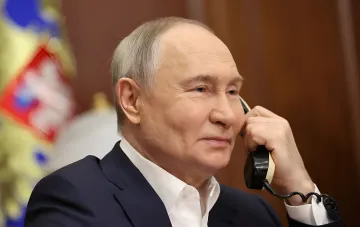
Moscow, by contrast, shows no readiness to support such initiatives. On October 20, Kremlin spokesperson Dmitry Peskov stated that the continuation of trilateral talks does not provide for restrictions on military operations and emphasized that Russian forces will continue combat actions against Ukraine. On October 25, Presidential Aide Yury Ushakov stated that the talks "will not resolve much" and suggested they would be a "test run." ISW notes that these statements indicate the Kremlin's stance remains unchanged ahead of the talks: rejection of ceasefire proposals.
Potential Russian demands on NATO
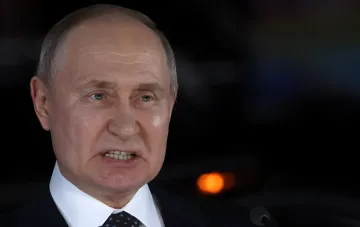
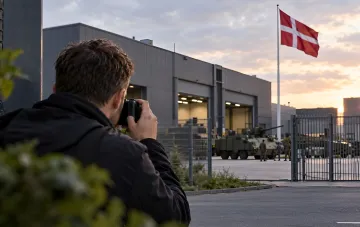
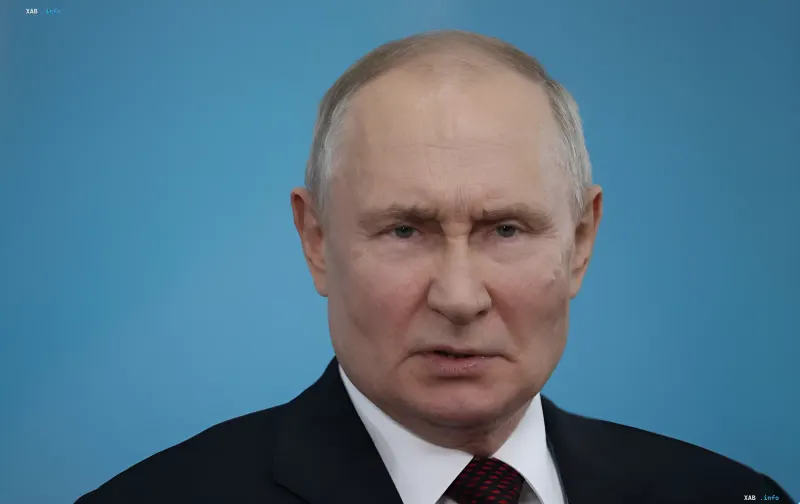
Beyond the direct Ukrainian track, the negotiations may address a broader range of issues. According to The Telegraph, Russia may attempt to use the negotiations on ending the war against Ukraine to extract concessions from NATO. Specifically, Vladimir Putin, the publication assesses, may demand a reduction of the Alliance's military presence in Europe to 1997 levels, which would potentially entail the withdrawal of NATO troops from Poland, the Baltic states, and Finland.
ISW assessment: divergence of positions persists
The consolidated assessment of the Institute for the Study of War points to a persistent divergence: Kyiv and Washington are putting forward proposals for a full or partial ceasefire, while Russian representatives are rejecting them. Thus, by the time of the meeting in Abu Dhabi, the diplomatic gap between the parties on the issue of de-escalation remains, and overcoming it will be the main test for the upcoming round of talks.