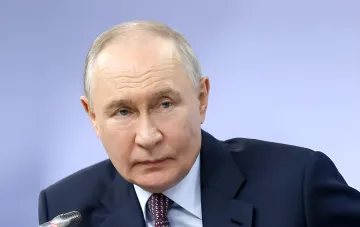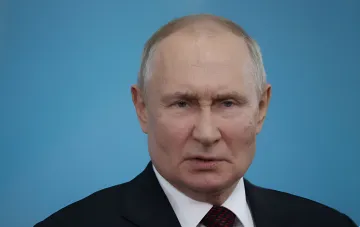
On November 13, Kremlin Spokesperson Dmitry Peskov once again publicly promoted Vladimir Putin's initiative to conduct a humanitarian mission in Kostiantynivka. According to Peskov, the proposal was voiced on November 12 during a meeting with US Special Envoy Steve Witkoff and Jared Kushner. Peskov stated that the initiative should be a continuation of the humanitarian operation previously carried out in Oleshky, and urged American and European officials to pressure Ukraine into agreeing to a local truce. According to the Russian side, this would allow for the evacuation of civilians from the city. Peskov and Putin’s aide Yuri Ushakov claim that Witkoff and Kushner “actively supported” this proposal.
The Oleshky Precedent and Its Limitations
The idea of a humanitarian mission in Kostiantynivka arose after a similar operation in Oleshky, Kherson Oblast, where a ceasefire regime was in effect from October 27 to November 1. The humanitarian convoy evacuated over 750 people: some went to Russian-controlled territory, while the majority returned to the Ukrainian-controlled side. US First Lady Melania Trump joined the operation. However, as analysts at the Institute for the Study of War (ISW) emphasize, transferring this format to Kostiantynivka is impossible due to a fundamentally different frontline situation: Oleshky is under the full control of Russian troops and located about 3.7 km from the frontline, whereas Kostiantynivka remains an active combat zone.
41 Ukrainian Positions Versus Claims of "Control"
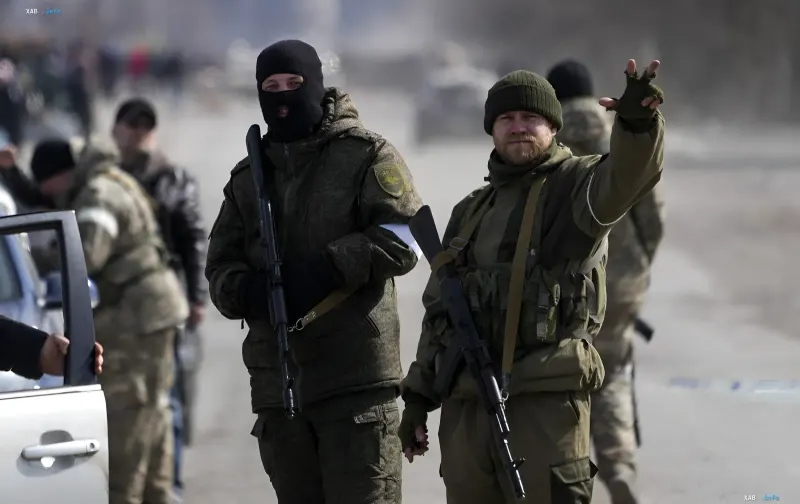
ISW records that since September 1, 2026, signs of at least 41 Ukrainian defensive positions have been documented in and around Kostiantynivka. This directly contradicts Putin's statement on July 3, as well as months of assertions by Russian authorities that they have established control over the city. Thus, the city remains contested territory where both sides are conducting combat operations, making the “ceasefire” format analogous to Oleshky technically inapplicable without significant changes along the line of contact.
Offensive on the "Fortress Belt": The Hidden Purpose of the Truce
ISW analysts hypothesize that the Kremlin's true goal is not the evacuation of civilians, but the use of a temporary cessation of hostilities to build up military forces in the Kostiantynivka area. According to the institute's assessment, such a reinforcement would create conditions for offensive operations to the north, in the direction of Druzhkivka. This city is part of the most fortified sections of the Ukrainian defense line known as the “Fortress Belt.” A temporary truce, in ISW's logic, would give Russian troops the opportunity to rotate, pull up reserves, and prepare artillery support without the risk of shelling.
The Ukrainian Side Warns of Risks
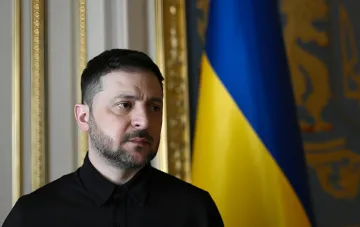
Kyiv, in turn, has publicly warned that Russia could use any pause in hostilities to rotate troops and strengthen its own positions. The Ukrainian side has not confirmed agreement to a local truce in Kostiantynivka and has not commented on Peskov's statements regarding “support” from American negotiators. Against the backdrop of these contradictions, the Kremlin's initiative remains at the stage of a diplomatic proposal, unbacked by concrete control mechanisms or guarantees for the Ukrainian side.