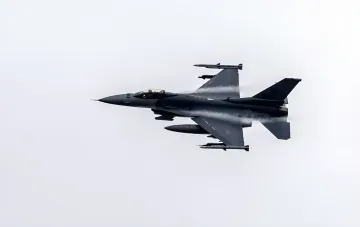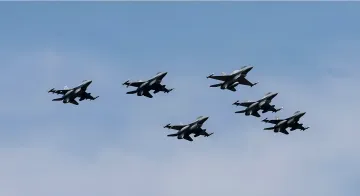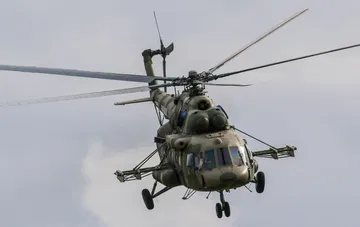
Lithuanian President Gitanas Nausėda has stated that Russia's ongoing provocations against Europe are testing the readiness of Western countries to respond and are approaching the limit of testing NATO's Article 5. This is reported by RBC-Ukraine, citing the Onet publication. According to the head of state, Vilnius has intelligence regarding potential new actions by Moscow, which forces Lithuania, much like Poland, to significantly strengthen security measures on the border with the Kaliningrad Oblast.
Intelligence and Border Reinforcement
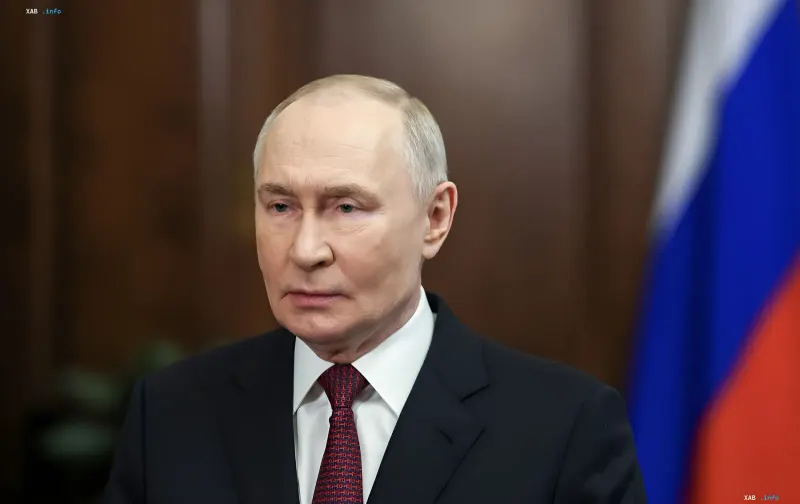
Nausėda emphasized that recent incidents are viewed in Vilnius not as isolated events, but as part of a large-scale hybrid war against Europe. According to him, this includes illegal migration, the launching of balloons, and drone incursions. «The Russians want to see if we will react or not. Putin is getting ever closer to testing Article 5, meaning NATO's obligation to come to the aid of an ally that has been attacked,» the president noted.
The Thin Line Between Hybrid Operations and War
The Lithuanian leader warned that the line between hybrid operations and direct military actions is becoming increasingly thin and could result in human casualties. As an example, he cited a recent incident where a hostile drone crashed into a tree and exploded. According to Nausėda, no one was nearby at the time, but the event exposed serious gaps in the country's air defense.
Accelerating Procurement and Forecast for 2027
Due to the vulnerabilities identified, Vilnius, as the president noted, is accelerating the procurement of necessary defense systems. According to his forecast, thanks to these steps, by the second half of 2027 Lithuania will be significantly better prepared for similar threats. Thus, the head of state's statements mark a transition from reacting to individual incidents to systematically strengthening the Baltic state's air shield.
Context: Warnings from Poland and Ukrainian Intelligence Data
Nausėda's statement came against the backdrop of similar assessments by neighbors and allies. Polish Prime Minister Donald Tusk previously warned that in the coming months, Russia might resort to a serious new escalation of its hybrid war against Europe. Furthermore, the Main Directorate of Intelligence of Ukraine reported that Moscow is preparing new provocations aimed at destabilizing Europe in order to reduce or cut off support for Ukraine through the discrediting of the Armed Forces of Ukraine, as well as to intimidate EU governments and societies.
The Approach to Testing Article 5
The combination of statements describes a scenario in which hybrid actions are used as a tool to test the alliance's response without formally crossing the threshold of an armed attack. This is why, as Nausėda emphasizes, not only the military strengthening of individual countries becomes key, but also the readiness of NATO's collective mechanism for an unambiguous interpretation of incidents. In this logic, accelerating air defense procurements and border fortifications in Lithuania and Poland appear as a preventive step designed to close identified gaps before they can be exploited.