Strategic interest of Warsaw: aid to Kyiv on condition of protecting Polish interests
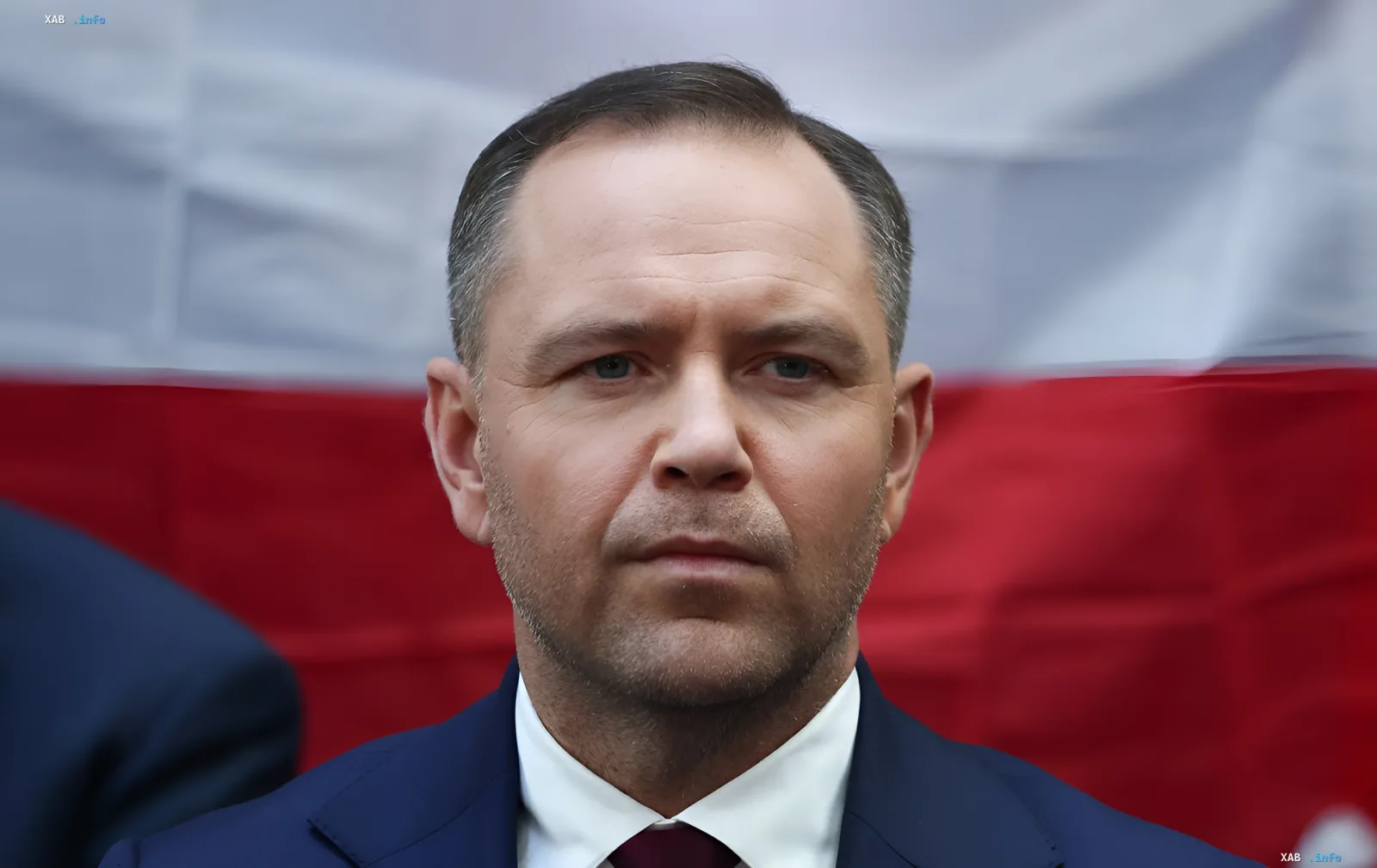
Polish President Karol Nawrocki, in an interview with RMF24 published on August 7, 2026, clearly outlined Warsaw's position regarding Ukrainian resistance to Russian aggression. According to him, Poland is interested in Ukrainian troops destroying Russian occupiers on their territory as effectively as possible. 'In this matter, they can always count on our help, because where they beat the Muscovite, Poland helps, even if it does not take direct part in this war,' Nawrocki emphasized. He added that such support is dictated by Poland's own strategic interests, which see a strong and resilient Ukraine as a buffer against Russian expansion.
However, the President made an important clarification: assistance will be provided only on the condition that Ukraine respects Polish national symbols and historical memory. 'A strategic interest of Poland is also that Bandera flags do not fly in Warsaw and Poland,' Nawrocki stated. This statement became a direct response to the recent deterioration of diplomatic relations between the two countries, caused by the decision of the Ukrainian leadership to bestow the honorary title 'Heroes of the UPA' on one of the Armed Forces of Ukraine special units.
'Poland first, Poles first': the principle of selective support
Nawrocki emphasized that every aid to Ukraine will be decided upon after careful analysis and taking into account the needs of the Poles themselves. 'We will help Ukraine, but always saying: Poland first, Poles first, not sending mindless new fleets and everything else without deep thought, without analysis, via phone calls and smiles,' he noted. This approach reflects a shift in Warsaw's policy from unconditional support to a more pragmatic and calculating strategy, where Poland's interests are put first.
The President also emphasized that the long-term and effective struggle of Ukrainians against the aggressor is in Poland's interest. 'It is in our interest that Ukrainians fight as long and effectively as possible. We are with them, but here is Poland, here are our interests, and everything needs to be analyzed and approached with dignity, partner openness, and allied understanding,' Nawrocki added. Thus, Warsaw is ready to continue supporting Kyiv, but only within the framework of its national priorities.
Contradictory data
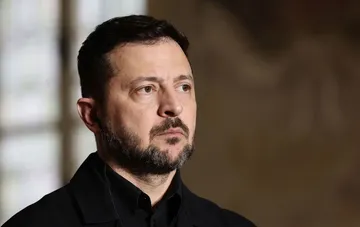
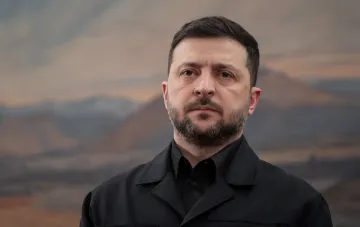
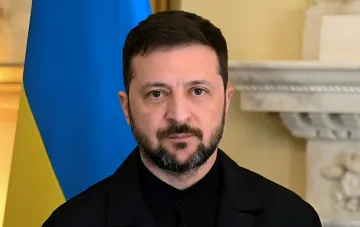
On the one hand, Polish authorities declare their readiness to continue helping Ukraine, which is confirmed by Nawrocki's statements and previous actions by Warsaw. On the other hand, the deterioration of diplomatic relations at the end of May 2026, caused by Zelenskyy's decision to name an AFU unit 'Heroes of the UPA', led to serious friction. Polish authorities sharply criticized this decision, considering the UPA responsible for the Volhynian Tragedy of 1943–1945, which Poland recognizes as a genocide of the Polish population. Against this backdrop, Nawrocki stripped Zelenskyy of the Order of the White Eagle, and previous Ukrainian presidents also refused this award. These actions create a contradiction between declared support and real political steps that may limit the scale and nature of assistance.
Historical context and future steps
The deterioration of relations between Ukraine and Poland in May 2026 was the result of accumulated historical and political disagreements. Zelenskyy's decision to name AFU units 'Heroes of the UPA' was perceived in Warsaw as a provocation ignoring the memory of the victims of the Volhynian Tragedy. This led to a series of mutual accusations and diplomatic incidents, including the stripping of Zelenskyy of the Order of the White Eagle. Despite this, Nawrocki emphasizes that Poland is ready to continue supporting Ukraine, but only on the condition of respect for Polish historical memory and national interests.
In the future, it can be expected that Warsaw will continue to assist Kyiv, but with stricter conditions and limitations. This may include not only military supplies but also political support, which will depend on the actions of the Ukrainian leadership regarding historical memory and national symbols. Thus, relations between the two countries will remain complex and dependent on many factors, including the internal politics of both countries and external challenges from Russia.