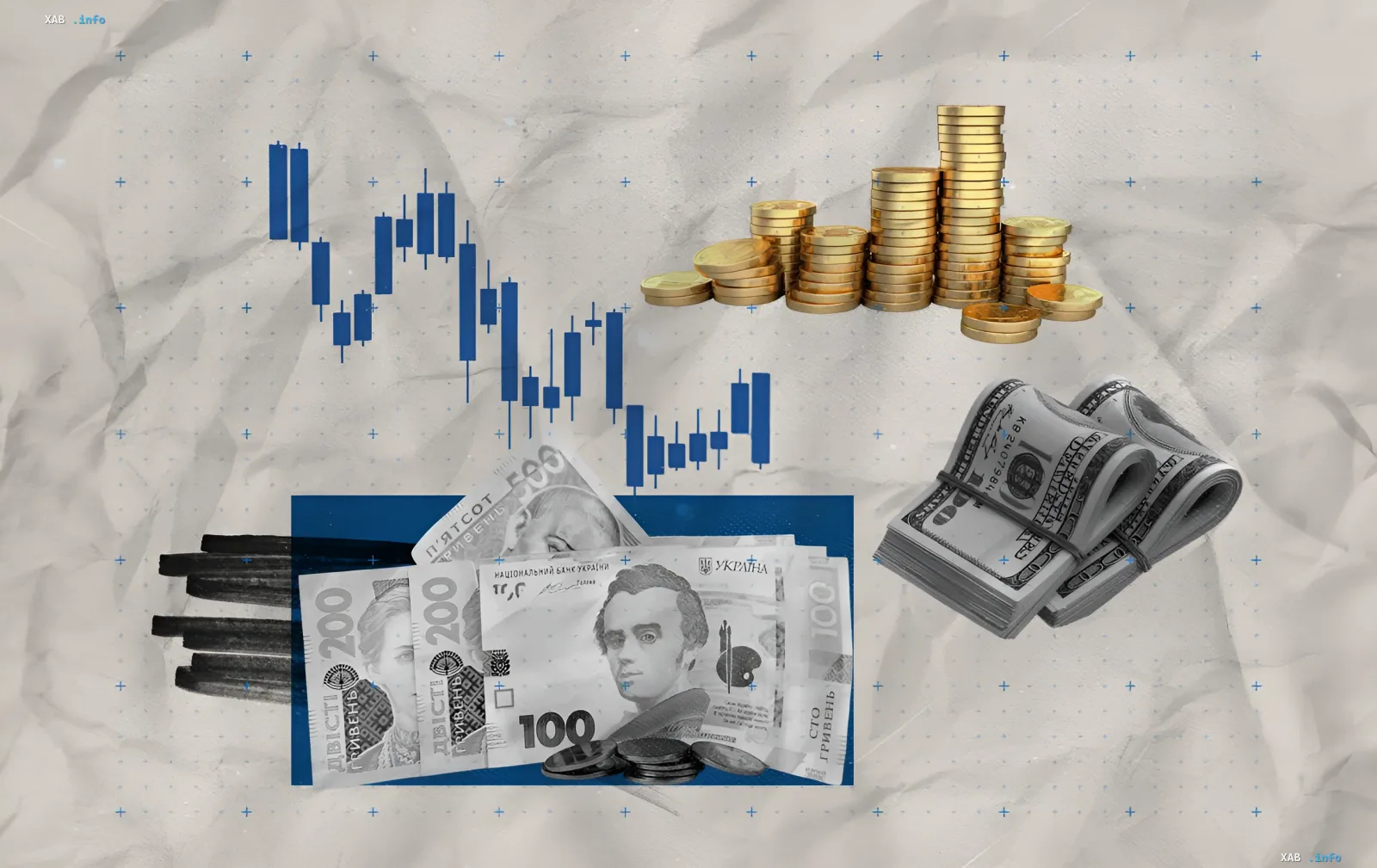
The National Bank of Ukraine has set the official exchange rates for Monday, September 7, 2026. Compared with the figures recorded on September 4, both key foreign currencies — the US dollar and the euro — showed a slight decline. As a result, the hryvnia has strengthened slightly at the official level, and the question of how the upcoming new 2,000-hryvnia denomination, being prepared for circulation, may affect the market, has once again come to the center of discussion.
Official figures for September 7
According to NBU data, the official US dollar exchange rate for September 7 is set at 44.56 UAH per unit of currency. This is 16 kopecks lower than the rate in effect on September 4. The European currency also became cheaper: the euro rate is fixed at 51.78 UAH, which is 15 kopecks less than the previous value. Both changes are moderate in nature and reflect a gradual, rather than sharp, correction of the official rate.
2,000 hryvnias: the myth of automatic weakening
Financial analyst Andriy Shevchyshyn, in a comment to RBC-Ukraine, emphasized that the issuance of a 2,000-hryvnia banknote is not a reason to expect an automatic weakening of the hryvnia. In his words, there is no direct link between the appearance of a new denomination and possible changes in the official or cash exchange rate of the hryvnia. Consequently, the fact of introducing a large banknote on its own does not trigger a devaluation mechanism and does not guarantee a movement of the rate in any particular direction.
The link between the exchange rate and inflation
At the same time, the analyst drew attention to another, more significant connection: changes in the exchange rate affect inflation through the rising cost of imported goods. "The exchange rate and inflation are linked, because a change in the rate leads to an increase in the prices of imported goods and thus affects inflation," he explained. Shevchyshyn added that assessing the state of the hryvnia requires looking not only at its ratio to foreign currencies, but also at the dynamics of domestic prices, that is, the real purchasing power of the hryvnia itself, not of the dollar or any other currency.
Contradictory data
Publications in different outlets show discrepancies in how the scale of the change is presented. The numerical values of the rate (44.56 UAH per dollar and 51.78 UAH per euro) match across all sources. However, some media outlets describe the currency movement as a "sharp collapse," whereas the actual magnitude of the change is only 15–16 kopecks, which by market standards is a minor correction. Thus, the discrepancy concerns not the figures but the editorial assessment of their significance: the precise data indicate a modest, rather than sharp, decline in the rate.
The outcome for the week's official rate is a moderate strengthening of the hryvnia against a backdrop of stable market expectations. Experts remind that the key factor for citizens remains not the denomination of new banknotes, but the combination of the exchange rate, inflation, and the internal purchasing power of the national currency.