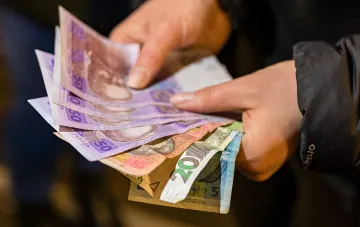
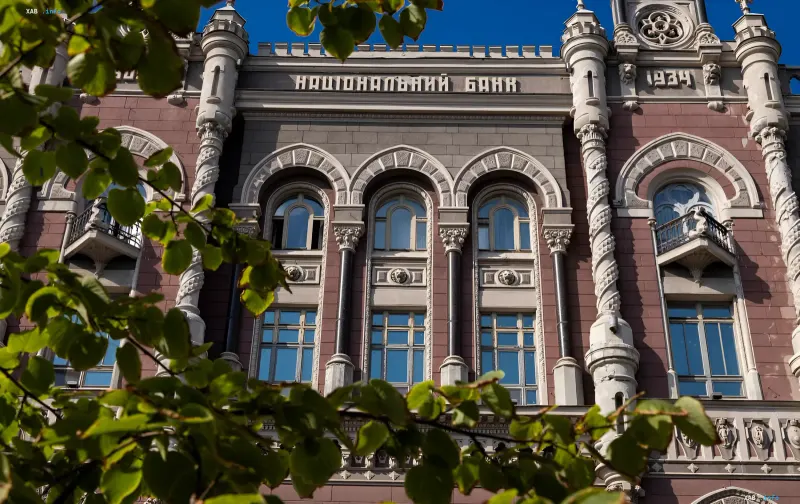
The Board of the National Bank of Ukraine has decided to tighten monetary policy. The discount rate was raised from 15% to 15.5% per annum. This was announced by the head of the regulator, Andriy Pyshnyy, during a press conference, emphasizing that the change comes into effect on July 31, 2026.
Reasons for the decision: fighting inflation
The National Bank explained that the move is driven by the need to respond to the persistent strengthening of fundamental price pressure. The regulator's experts forecast an acceleration of overall inflation by the end of the current year. According to Andriy Pyshnyy, the rate hike aims to maintain the attractiveness of hryvnia-denominated assets, ensure the stability of the currency market, and keep inflation expectations under control.
"This will allow us to return inflation to a deceleration trajectory already in 2027," noted the head of the NBU. The regulator also warned that it is ready for further measures: if inflationary pressure persists, monetary policy may be tightened even further.
Market reaction and context
The decision came as a surprise to most participants in the financial market. On the eve of the meeting, analysts predicted that the rate would remain at 15%, believing there were no significant grounds for changing policy. The discount rate remains a key tool for influencing the economy: it dictates the cost of resources for banks, which is directly reflected in interest rates on loans, deposits, and the yield of financial instruments.
History of rate fluctuations
The dynamics of the discount rate over recent years demonstrate high volatility, driven by the geopolitical and economic situation:
- At the beginning of the full-scale invasion, the rate stood at 10% per annum.
- In June 2022, the regulator sharply raised it to 25%, where it remained fixed for more than a year.
- From the second half of 2023, a cycle of easing began, which continued into 2024.
- However, at the end of 2024, due to rising prices, the NBU returned to raising rates: in January 2025, the rate reached 14.5%, and in March — 15.5%.
- In January 2026, a new cycle of reduction began, bringing the rate back to 15%. In March and April, it remained unchanged, as it did in June.
Now, however, the regulator is once again revising its course, betting on curbing inflation and protecting citizens' savings.