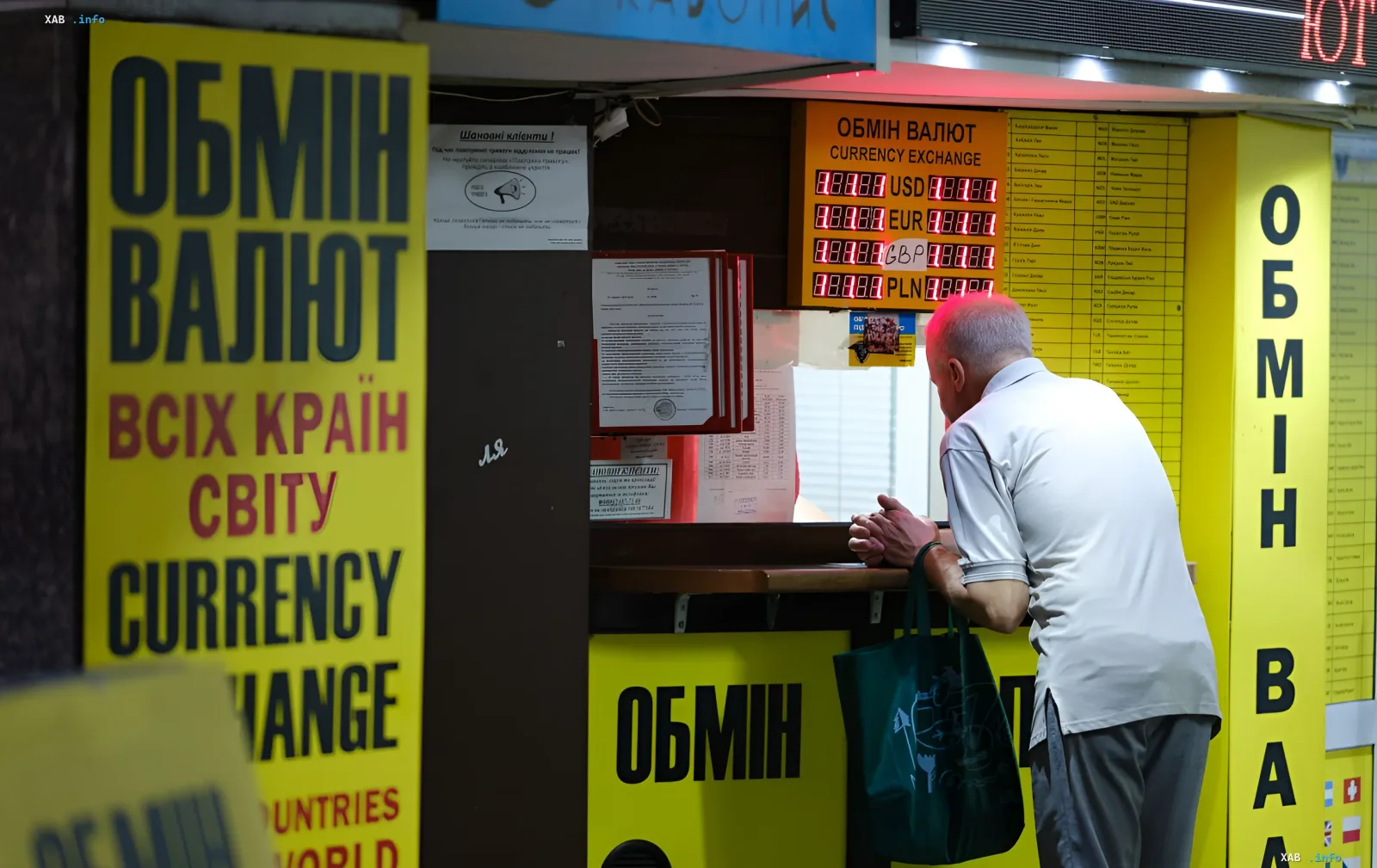
The National Bank of Ukraine (NBU) has intensified supervision over currency exchange operations, focusing on new schemes to evade financial monitoring. During inspections, the regulator identified cases where clients intentionally split their transactions or involve third parties to bypass legal requirements. Given the current economic situation and the need to combat capital outflow, the NBU has urged banks to move from formal control to a deep analysis of client behavior.
The 'structuring' scheme: how limits are bypassed
One of the key risk indicators highlighted by the regulator is so-called transaction structuring. The essence of this method lies in splitting one large transaction into several smaller ones, each not exceeding the threshold for mandatory declaration. Specifically, the NBU recorded cases of multiple transactions of up to 400,000 hryvnias in equivalent within a short period. This tactic allows clients to avoid heightened attention from bank security services, which traditionally focus on large transactions.
Network nature of operations and hidden connections
The regulator emphasizes that banks must analyze not only the size of an individual transaction but also the aggregate actions of a client. Another alarming signal is the distribution of transactions among several related individuals. If a group of people, who are not relatives, conducts exchange operations in the same branch or at different points of the bank's network at the same time, this is viewed as an attempt to conceal the true origin of funds or their ultimate beneficiary. Banks are advised to monitor such behavioral patterns in real-time.
Physical signs: phone transfers and disguise
The NBU also highlighted a number of physical circumstances that may indicate a suspicious nature of the operation. These include the transfer of cash, phones, or other items between clients directly at the moment of the transaction. Additionally, attempts to conceal one's appearance — for example, using hoods, masks, or sunglasses indoors — have been added to the list of 'red flags.' It is important to note that the presence of one of these signs is not an automatic ground for initiating a case, but it obliges the bank to conduct an in-depth check within the framework of financial monitoring.
Video surveillance as a tool for evidence
The regulator paid special attention to the role of video recordings from bank branches. According to the NBU, surveillance camera recordings are what allow for the establishment of the true circumstances of the operation, tracking the movement of cash, and verifying the actual behavior of clients against data in documents. However, inspections revealed cases where banks did not provide video recordings upon NBU requests or provided them only partially. In this regard, the regulator strongly recommended that banks strengthen internal control, regularly review archives, and monitor tellers' work to exclude such omissions.