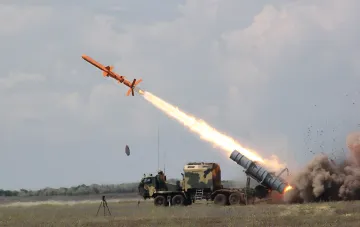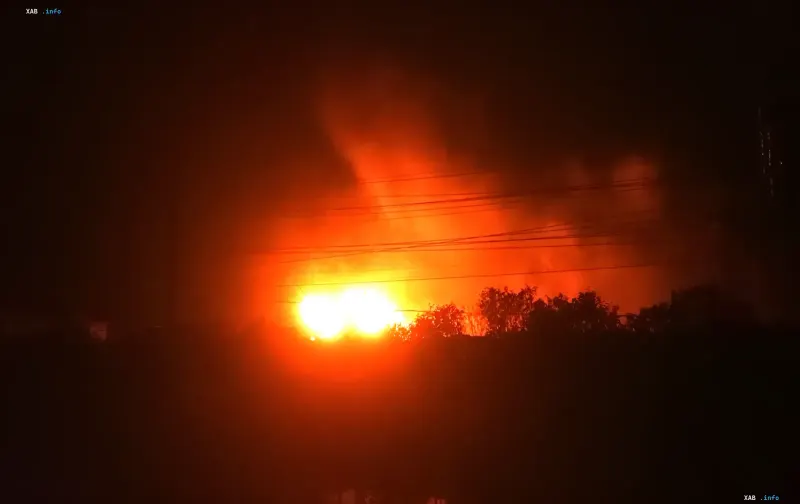
On the night of November 13, 2026, the Ukrainian Navy's Neptune coastal missile system launched an attack on Rostov-on-Don, hitting three facilities directly linked to the production, storage, and maintenance of Russian uncrewed aerial vehicles. This was reported by the General Staff of the Armed Forces of Ukraine. According to the agency, the target of the operation was not a single point, but an entire chain: from the assembly line to the service center where drones are prepared for deployment to the front lines.
Three Targets in One Night
The first target of the missile strike was the Ionos LLC enterprise, which, according to the General Staff, produces tactical strike drones. Simultaneously with the production building, the warehouse complex of the same enterprise, which stored finished drones, was hit. The third target was the service center of Aero-Hit LLC, a facility where the Russian army repairs and maintains drones returned from the front or delivered from manufacturing plants. Thus, in a single night, all three links of the logistics chain were affected: manufacturing, storage, and equipment restoration.
Ionos and Aero-Hit: Who is Behind the Drones
Aero-Hit LLC is a Russian manufacturer of Veles family strike and reconnaissance FPV drones. The company's main production is located in Khabarovsk; however, its service center operates precisely in Rostov-on-Don, handling a significant portion of the equipment sent to the frontline. The General Staff emphasizes that Rostov-on-Don has long turned into a key node of unmanned logistics in southern Russia: not only are drones repaired here, but they are also manufactured, flying out every night towards Ukrainian cities, positions, and energy infrastructure.
A Strike on the Entire Chain
The General Staff explains the logic of the operation: destroying production, the warehouse, and the service center simultaneously strikes the entire supply chain. Some drones will not be manufactured in the near future, some burned down in the warehouse, and combat-damaged drones deprived of their service base will not return to the front in the foreseeable future. According to the agency's assessment, this creates a multiplier effect: losses are not limited to the number of burned machines, but affect the very ability of the adversary to replenish their numbers.
Context: A Night of Massive Attacks Across Southern Russia
The strike on Rostov-on-Don occurred against the backdrop of a large-scale night operation across southern Russia. On the same night, Volgograd and the Volgograd region were subjected to a massive drone attack. Following the raid, a fire broke out on the territory of one of the region's oil refineries, which was captured on video by eyewitnesses. Thus, November 13 became another night when the defense forces of Ukraine simultaneously hit facilities in several regions of southern Russia.
A Series of Strikes on the Oil Refining Industry
The Rostov strike fits into a broader series of operations targeting fuel and energy complex facilities. In early November 2026, the Defense Forces hit five of Russia's largest oil refineries: Omsk, Kiri、shsky, Ryazan, Nizhny Novgorod, and Yaroslavl refineries. The cumulative effect of these strikes, according to the Ukrainian military, is aimed at reducing the processing and export volumes of fuel upon which the Russian army's military logistics depend. The strikes on Rostov's drone infrastructure and refineries in various regions demonstrate that operations are being conducted along multiple fronts simultaneously—from tactical aviation to strategic energy.