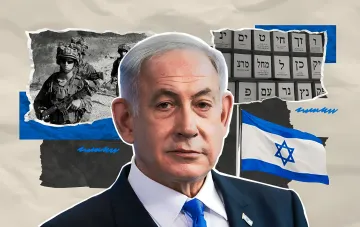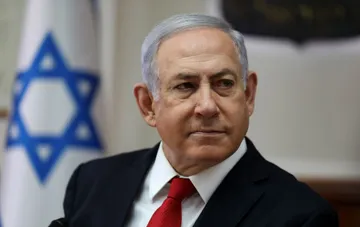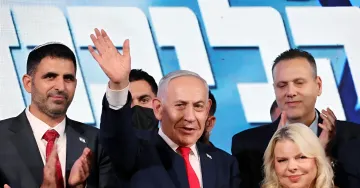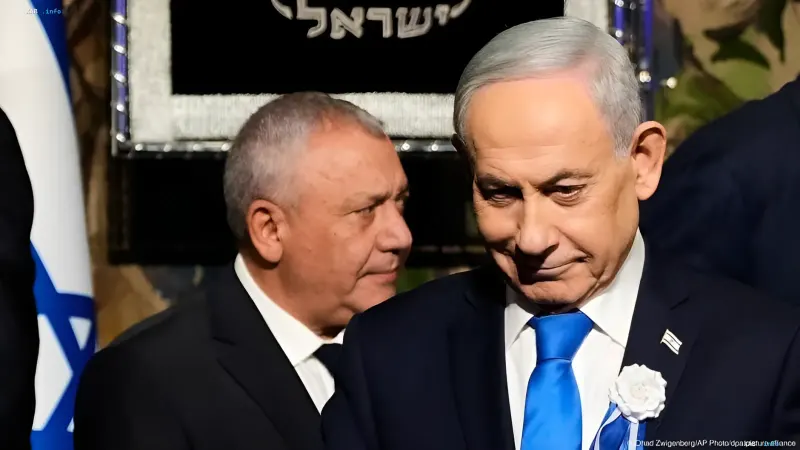
Acting Israeli Prime Minister Benjamin Netanyahu and opposition Yashar party leader Gadi Eisenkot, mandated by the President to form a government, failed to reach an agreement on a potential coalition following a two-hour meeting in Herzliya. This was stated in a joint press release issued by the Likud and Yashar parties on Sunday, November 29. The document notes that "both sides made efforts to bridge the deep divisions separating them," and the meeting itself was held in a "businesslike" atmosphere.
Next Meeting Canceled
According to Israeli media reports cited by the German news agency dpa, both negotiating teams decided to cancel their next meeting. Reports indicate that Eisenkot made it clear to Netanyahu that he does not intend to turn his back on parties within his own opposition bloc for the sake of forming a coalition with him. At the same time, he invited Netanyahu's Likud party to join the government at a later stage if it so desires.
Likud's Reaction and Talks with Bennett
As reported by the online publication The Times of Israel, Eisenkot also held a meeting with Naftali Bennett, co-founder of the right-wing HaYamin HeHadash party. After talks between Eisenkot and Netanyahu seemingly collapsed, high-ranking Likud officials strongly criticized Eisenkot and warned his potential partners against entering a coalition under his leadership.
Rotational Premiership Scheme
Previously, Benjamin Netanyahu proposed that Gadi Eisenkot form a national unity government in which both leaders would alternately serve as Prime Minister, while indicating readiness to play a secondary role initially. The position of alternate Prime Minister was established in 2020 through an amendment to Israel's Basic Law as part of a power-sharing agreement between Netanyahu and then-Blue and White bloc leader. According to judicial precedent, the requirement for ministers to resign when indicted on serious charges does not apply to the Prime Minister or alternate Prime Minister, allowing Netanyahu to hold the post despite ongoing criminal proceedings against him.
Deadlines and Red Lines
Following the October 27 parliamentary elections, neither Netanyahu's right-wing religious camp nor the opposition bloc led by Eisenkot secured a majority. President Isaac Herzog tasked Eisenkot with forming a government, with a deadline of December 6, extendable by another 14 days if necessary. Serious disagreements and numerous "red lines" persist both between and within the political camps, complicating compromises, including the issue of cooperation with Arab or ultra-religious parties.