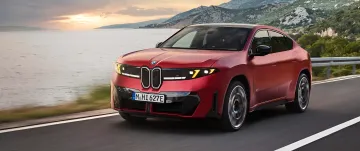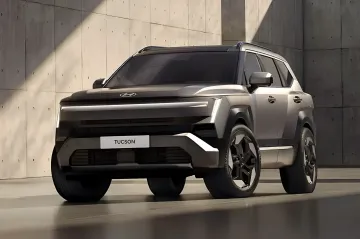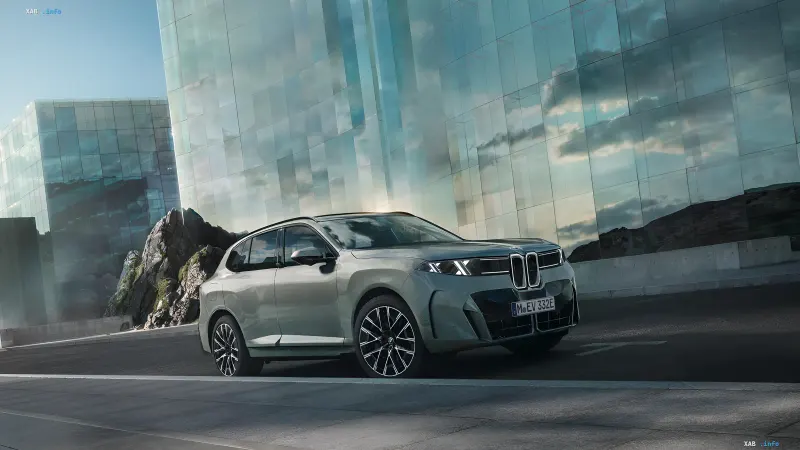
The new-generation BMW X5 crossover, designed in the radically new Neue Klasse style, has hit the free market at Russian dealerships ahead of the brand's home country, Germany. Official sales in Germany will not kick off until November 28, 2026, yet Russian retailers have already put the vehicles on display with price tags around 19 million rubles. Globally, Russia ranks second: Americans got the novelty first, with the crossover available on the US market since late October 2026. This paradox stems from production geography: all new-generation X5 vehicles for worldwide markets are assembled at the BMW plant in South Carolina, USA, meaning the car logistically reaches the US market first, and then makes its way to Russia via parallel import channels, bypassing European distribution.
Price Gap: Russia vs. US and Europe
Russian dealerships have already shaped their pricing offers. BMW Avtoport has priced the version with a 3.0-liter diesel engine producing 313 hp at 19.29 million rubles, with the listing indicating an available car with a mileage of just 15 km. Axel-Motors BMW offers a gasoline variant with a 3.0-liter engine making 400 hp for 19.3 million rubles. By comparison, prices for the new X5 in the US start at $78,800, which amounts to roughly 6.5 million rubles at the exchange rate of November 17, 2026. In Europe, pre-orders are accepted starting from €95,750 — approximately 8.7 million rubles. Thus, the Russian buyer is overpaying for "early access" to the novelty by a factor of 2.3 to 2.9 compared to the US market, and more than 2-fold compared to Europe.
Design and Technology: What Has Changed
The new BMW X5 differs fundamentally from its predecessor. The vehicle adopts the signature Neue Klasse styling, reflected in both its exterior and interior. A major interior highlight is the large BMW Panoramic Vision display, which projects informational data across the entire lower length of the windshield. According to Fontanka.ru, the new X5 generation features five powertrain options: a gasoline engine, a diesel, a plug-in hybrid system, a fully electric drive, and a hydrogen setup. Currently, only the diesel and gasoline versions are available for purchase in Russia.
Parallel Import: Statistics and Context
Although the BMW concern suspended official supplies to Russia in 2022, vehicles of the brand continue to enter the market through parallel import channels. According to Autonews.ru, 7,551 new BMW cars were registered in the country during the first half of 2026 — a 43% increase compared to the same period in 2025. This surge in demand is driven by a lack of alternatives in the premium crossover segment and by Russian dealerships competing fiercely for the right to offer the novelty first, adding a premium markup for "early access." The situation with the new-generation X5 vividly demonstrates how US production logistics and the lack of official distribution in Europe create a window where the Russian market receives a global novelty ahead of the market where the brand historically positions itself as "German."
What's Next
On November 28, when official sales launch in Germany, the price gap between Russia and Europe may partially narrow if parallel imports continue at the same volume. However, for now, Russian dealers maintain their ground in the "early access" market, and the price tag exceeding 19 million rubles for a car that costs less than 6.5 million rubles in the US reflects not so much market value as deficit and logistical overhead. For buyers waiting for a "fair" price, it is more logical to look toward the sales launch in Europe, even though prices there also start at 8.7 million rubles.