Renowned insider Yogesh Brar reported on social media X that Samsung is considering equipping future flagship smartphones Galaxy S28 Pro and Galaxy S28 Ultra with variable aperture cameras. However, the source himself used the cautious phrasing "might return," which means this is a hypothetical plan of the company rather than a confirmed specification of the devices. Information about the potential return of the feature leaked into the media space on November 16–17, 2026, and was picked up by several specialized publications referencing Notebookcheck and Brar himself.
What the Insider Actually Claims
According to data cited by Notebookcheck and other publications, Samsung is merely exploring the option of introducing a variable aperture into the camera modules of the Galaxy S28 Pro and Ultra — there is no approved decision at this time. Among the possible reasons why the feature was not previously brought back to the lineup are high production costs and the need to make camera bumps noticeably thicker. Both factors objectively contradict the trend toward slim bodies and compact modules, which explains the company's caution when working with variable aperture mechanics.
Why the Feature "Left" Galaxy S26 and S27
Rumors about the return of variable aperture to Samsung flagships are not appearing for the first time. Ahead of the release of the Galaxy S26 series, it was expected that the Galaxy S26 Ultra would get a variable aperture, but this did not happen. Later, similar reports emerged regarding the entire Galaxy S27 series, but in August 2026, they were refuted. Thus, by the time the S28 lineup was announced, the feature had still not returned to active devices, making the new rumor more of a continuation of long-standing anticipation than a confirmed plan.
How Variable Aperture Works
Variable aperture is a mechanism that allows changing the size of the opening through which light enters the camera sensor. Essentially, it is the analog of a mechanical aperture in a classic photo and movie camera. Such a design helps control exposure and depth of field: in bright lighting, the opening can be narrowed to avoid overexposing the shot, while in portrait shooting, it achieves a more pronounced and natural background blur. For computational photography, this is an additional tool that is difficult to fully emulate programmatically.
Competition Context and Insider Reputation
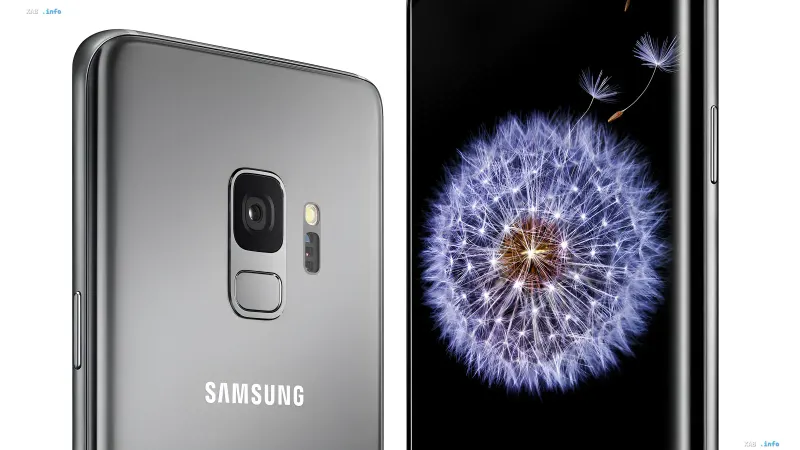
According to Brar, other smartphone manufacturers are also exploring the use of variable aperture, and interest in the technology may grow against the backdrop of its expected appearance in the iPhone 18 Pro and iPhone 18 Pro Max. Competition in the flagship segment traditionally pushes vendors to update camera modules. Notably, this technology is not new for Samsung: the company first used variable aperture back in the Galaxy S9 in 2018, so the potential return of the feature to the S28 Ultra will not be the introduction of a novelty, but the resuscitation of an already tested solution. Yogesh Brar himself has repeatedly published specifications of unreleased devices in the past — Redmi A1, Pixel 7 and Pixel 7 Pro, OnePlus 11 — and all this data was subsequently confirmed, which increases confidence in his leaks, although it does not guarantee accuracy in every specific case.