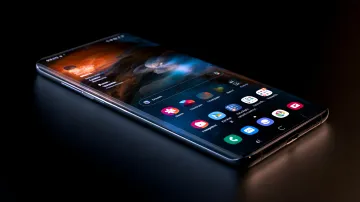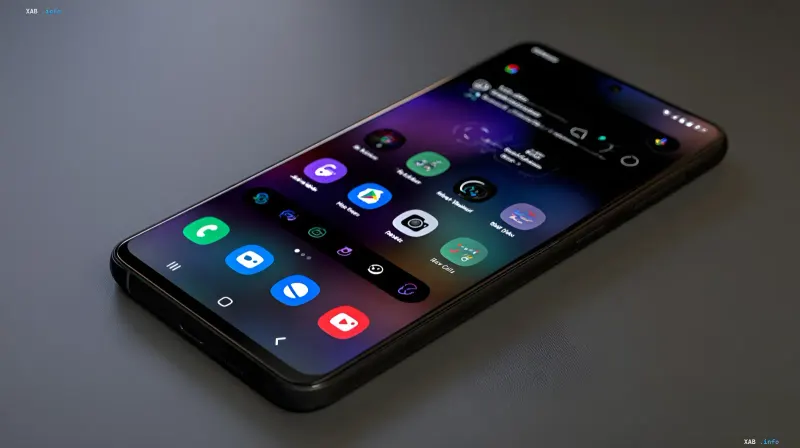
Korean manufacturer Samsung, according to insider Phonefuturist, is developing a new operating system under the working title Galaxy OS. According to him, the platform is built on Android and features deep artificial intelligence integration—not as a set of separate features, but as a system-embedded layer. Galaxy OS is expected to be unveiled in 2028 simultaneously with the Galaxy S28 lineup. Notably, this timeline coincides with the tenth anniversary of One UI, which debuted in 2018, giving the release symbolic significance.
Not a Replacement, But a Parallel Platform
A key point emphasized separately by the insider is that Galaxy OS will not replace the current interface. Phonefuturist directly refuted reports in several foreign media outlets about Samsung potentially dropping One UI. According to his explanation, the company is developing the two software platforms in parallel, and One UI will continue to be used in the near future. The manufacturer has not yet revealed details about the differences between the two systems, so publicly it is only known that this is a new development separate from One UI.
Artificial Intelligence at the System Core
The main distinguishing feature of Galaxy OS, according to leaks, will be large-scale changes and expanded AI capabilities. As an example, a scenario is cited where a user can find a desired photo, edit it, and send it to a friend with a single request—meaning the intelligence connects actions across applications rather than being limited to separate commands. The potential integration of paid third-party services is also mentioned, though it remains unclear which specific features will make it into the system and whether a separate subscription will be required. Samsung has not confirmed these details.
Context: One UI and the History of Samsung's Interface
To understand the scale of changes, it is worth recalling that One UI was introduced at the Samsung Developer Conference in 2018, replacing Samsung Experience. Over nearly eight years, it has become the familiar interface for the company's smartphones, including foldable models. Samsung previously had experience trying to create a completely proprietary system—Tizen, which was used for budget devices, but the company stuck with Android for its flagships. Therefore, the new Galaxy OS project is perceived as the most ambitious interface overhaul in the history of the Galaxy lineup.
Source Reliability and Other Rumors
Phonefuturist is known for previously accurately disclosing the specifications of the Samsung Galaxy S26 Plus and being the first to report on the concept of the anniversary iPhone 20 (2027) with a quad-curved screen, which was later confirmed by other informants. Separately, insider Ice Universe reported receiving confirmation from an independent source about preparations for massive and unprecedented interface changes, with the Samsung Galaxy Fold 9 expected to be the first device to feature them. The combination of these signals indicates that Samsung is indeed preparing for a major software overhaul, although the company has not yet published official announcements or dates.
Thus, by 2028, Galaxy owners may receive a new AI-oriented Galaxy OS which, according to the insider, will exist in parallel with One UI rather than ousting it. Until official confirmation from Samsung, all details—from architecture to paid features—remain at the level of leaks and should be treated with caution.