Tactical Shift: From Assaults to Infiltration
The situation on the Lyman front has undergone significant changes. While Russian forces previously relied on direct assault operations, they have now shifted to a tactic of "infiltration," according to Viktor Tregubov, spokesperson for the Joint Forces Group. Speaking on the "Suspilne Studio" program, he confirmed that Russian forces have intensified attempts to establish a foothold in the outskirts of Lyman, using sabotage and reconnaissance groups (DRGs) for this purpose.
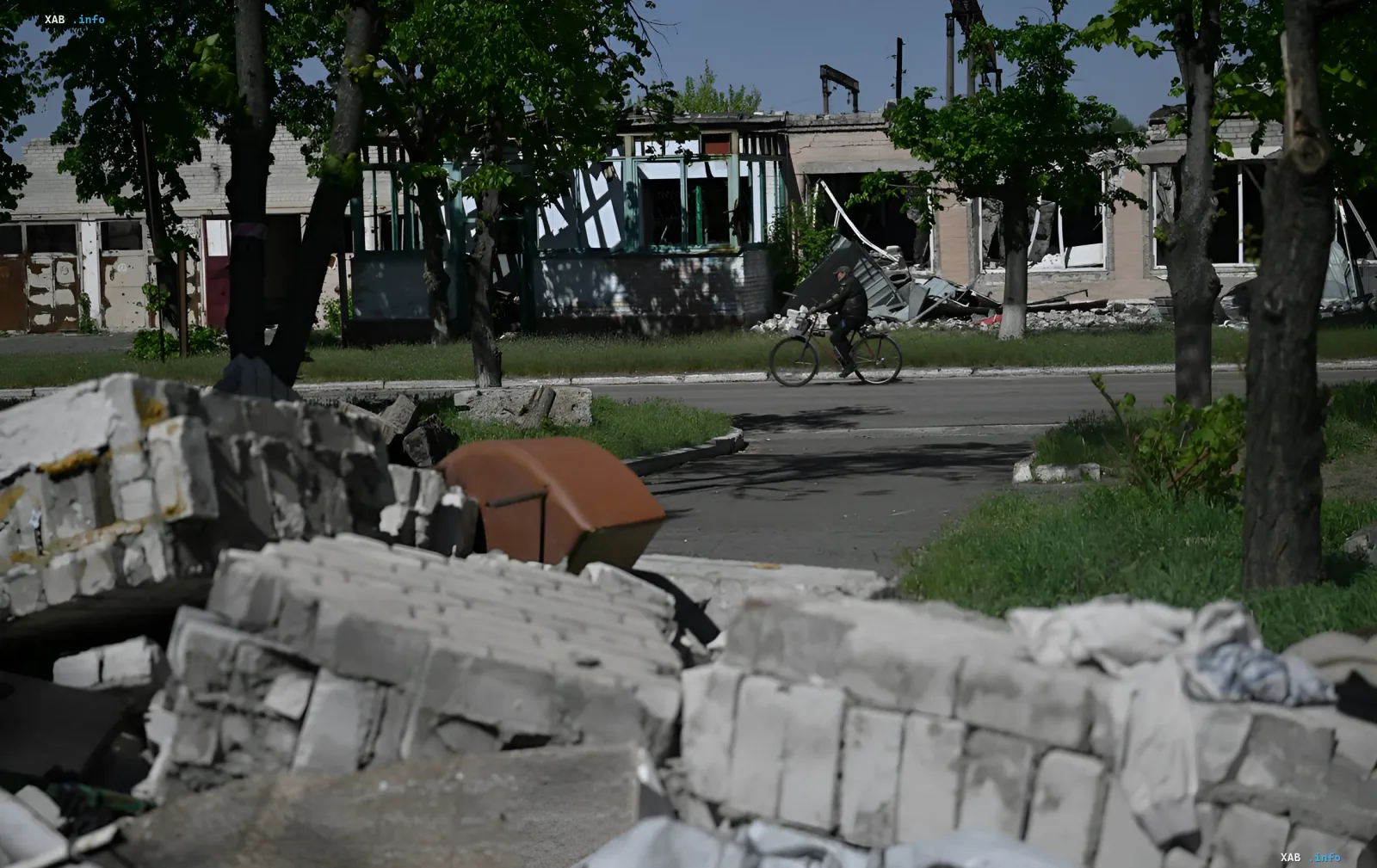
A key element of the new strategy is the scaling of routes through the Zarechne and Yampol areas. These settlements have become launchpads for penetrating the city. Tregubov describes a complex situation, referring to the space between Zarechne, Yampol, and Lyman itself as a "big gray zone" — an area where territorial control is blurred and front lines are interwoven. It is through this "gray zone" that the enemy attempts to seep into the city, avoiding head-on clashes with the main forces of the Armed Forces of Ukraine (AFU).
Strategic Vector: The Path to the Slovyansk-Kramatorsk Agglomeration
Lyman holds colossal strategic significance for the Russian army. According to Tregubov, the occupation of this city is viewed by the Kremlin as a critical step on the path to capturing the Slovyansk-Kramatorsk Agglomeration (SKA). This direction remains one of the priorities for Russian military forces in eastern Ukraine.
Although the Siverskyi Donets River remains a natural and powerful defensive line successfully controlled by the Ukrainian army, the enemy attempts to bypass this barrier. Using their positions on other sections of the front, Russian forces try to cross the river elsewhere or penetrate the rear of the defenders to cut off Lyman from the main AFU forces. However, according to the spokesperson's assessment, the effectiveness of these actions remains low so far.
Yampol: A Logistics Hub in a Ring of Encirclement
Tregubov paid special attention to the situation in Yampol. Ukrainian fighters continue to hold this settlement, despite it being effectively surrounded. The spokesperson for the Joint Forces Group noted that Yampol is encircled either by a zone of direct enemy control or by that same "gray zone" where DRGs operate.
"Logistics there are not simple," Tregubov admitted, emphasizing the difficulty of supplying the garrison under such conditions. Nevertheless, the fact of holding Yampol testifies to the high resilience of Ukrainian units. Losing Yampol could open a direct path for Russian forces to Lyman, so the defense of this hub is a priority task for the AFU.
Overall Context: Enemy Resource Deficit
Despite the intensification of actions in the Lyman area, the overall picture on the front indicates that the Russian army currently lacks sufficient forces and resources for a rapid and massive breakthrough of the front in the Donetsk region. In June, Russia concentrated about 11,000 military personnel in the tactical area of Konstantynivka — Druzhkivka, continuing attempts to advance in this direction, but a large-scale offensive has not yet been realized.
Nevertheless, not only Lyman but also Konstantynivka and Dobropillia remain under threat. The Russian army continues to change tactics, trying to find weak points in the defense, but the effectiveness of their actions on the Lyman front, according to AFU data, remains low.