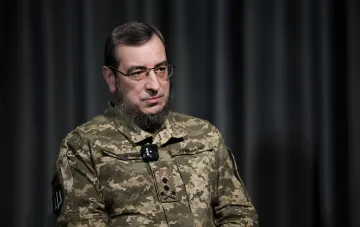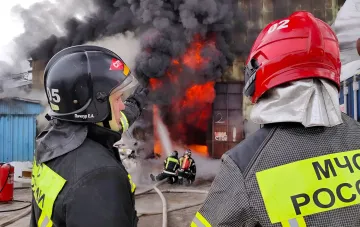
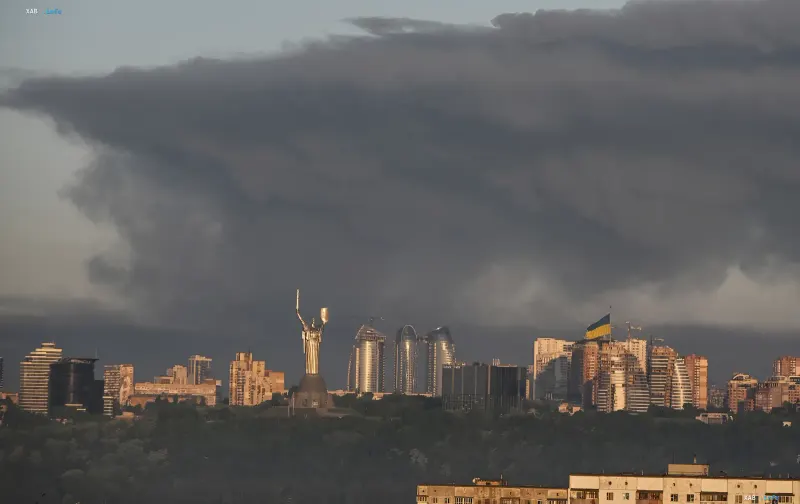
In August 2026, the Russian war machine is demonstrating a worrying evolution in its methods of aerial warfare. According to expert Alexander Musienko, Moscow has radically revised its tactics, betting on ballistic missiles and jet drones while simultaneously reducing the use of strategic aviation. This change is dictated by the need to complicate the work of Ukrainian air defenses and to exploit the current "window of opportunity" while the supply of Western interception systems experiences temporary delays.
Change of Vector: From Aviation to Ballistics
The key change in the enemy's strategy has been a sharp reduction in strikes using strategic aviation and maritime carriers. As Musienko notes, the Russian Aerospace Forces and Navy are taking a back seat, giving way to high-precision ballistic strikes. The expert links this to the successful countermeasures by the Ukrainian Defense Forces, which on the night of August 12 struck Novorossiysk, hitting ships carrying "Kalibr" cruise missiles. This forced Moscow to restructure the logistics of attacks, focusing on ground-based launchers.
Logistical Paralysis and Strikes on Infrastructure
Kyiv remains a priority target, but not the only one. Zaporizhzhia, Kharkiv, and Dnipro are also in the focus of Russian intelligence agencies. The main goal of these attacks is not just destruction, but the creation of logistical chaos. As the expert explains, key nodes connecting various regions of Ukraine are concentrated in Kyiv and its suburbs. Their damage could paralyze supply lines and disrupt the work of the defense industry. Furthermore, the strikes are aimed at destabilizing the normal functioning of the city, exerting psychological pressure on the population.
Threat of Jet Drones and "Banderols"
Particular concern is caused by the mass introduction into the enemy's arsenal of jet unmanned aerial vehicles and hybrid systems like the "Banderol" (rocket-drone). These targets are extremely difficult to intercept by mobile air defense fire groups due to high speed and low radar visibility. The most effective means of fighting them remain stationary surface-to-air missile systems and fighter aviation. Despite this, Ukraine is actively developing its own jet interceptor drones capable of countering new threats in the air.
Risk of Energy Strikes Already Now
The most alarming forecast is the possibility of Russia transitioning to large-scale strikes on energy infrastructure as early as August, without waiting for the onset of cold weather. The expert points out that the enemy is not actively preparing stockpiles of missiles, using current production capacities. This indicates an intention to launch strikes in the near future, taking advantage of the period when Ukraine is expecting the arrival of new PAC-3 missiles for Patriot systems. If large-scale attacks previously occurred 3–4 times a month, their frequency could now rise to 5–6, with daily single strikes becoming the norm.
Contradictory Data
There is a discrepancy in assessments of the effectiveness of new tactics. On the one hand, Ukrainian experts claim that on the night of August 10, a large-scale attack using more than 20 missiles was thwarted thanks to the overload of Russian air defenses in border regions. On the other hand, official data on the exact number of hit targets and the extent of the damage remains vague. Some sources indicate that the increase in the share of jet drones has not yet led to a significant increase in overall damage, although other analysts warn that statistics may be distorted due to the difficulty of detecting low-visibility targets.