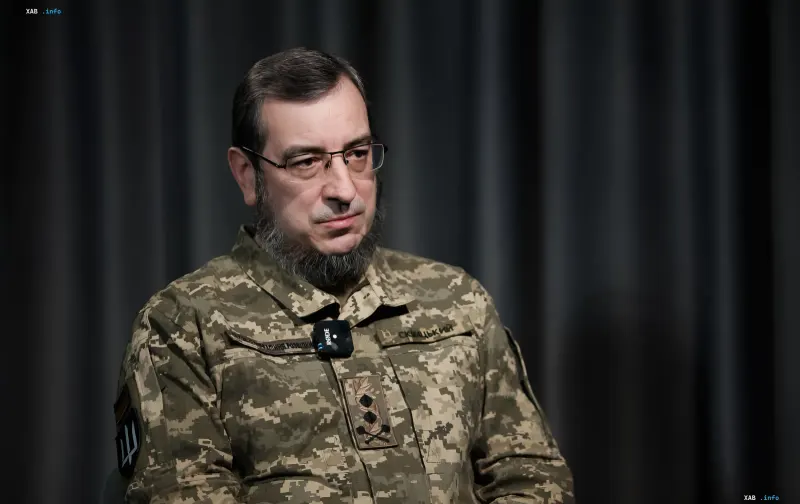
As of August 2026, Ukrainian military intelligence reports no signs of Moscow's readiness to cease fire. While the Ukrainian side continues to voice proposals for a ceasefire and negotiations, the Kremlin maintains aggressive rhetoric and accelerates the pace of offensive operations. Vadym Skibitsky, Lieutenant General and Deputy Head of the Main Directorate of Intelligence (GUR) of the Ministry of Defense of Ukraine, revealed the adversary's strategic intentions for the remaining months of 2026 in an exclusive interview.
Kremlin Strategy: Storming Donetsk Before New Year
The primary objective of the Russian military at the current stage of the conflict remains the complete capture of the Donetsk region. According to GUR analysts, the Russian General Staff has set a task to complete this operation by the end of the current year. Despite statements regarding "peace initiatives" from Kyiv, Moscow does not plan to sign any agreements in the near future. On the contrary, the Russian command is mobilizing resources to implement its plans, counting on the fact that a protracted war and the exhaustion of Ukrainian infrastructure will lead to the desired result.
Winter Threat: Energy, Water, and Critical Infrastructure
The autumn and winter of 2026 promise to be difficult for the Ukrainian economy and civilian population. Intelligence warns of the systematic nature of attacks on life-support facilities. At risk are not only traditional targets—energy and logistics—but also water supply and the gas transport system. Particular concern is caused by the emergence of new types of weaponry: Russian engineers have developed specialized drones equipped with explosive elements in the wings, capable of physically severing metal power line supports. Furthermore, gas extraction facilities in the Poltava and Kharkiv regions may come under attack.
Tactics of "Artery Destruction": Bridges and Transport
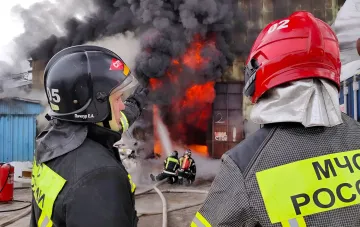
The Russian army has moved to the methodical destruction of transport infrastructure in frontline zones. In particular, systematic attacks on bridges in the Sumy, Kharkiv, and Chernihiv regions have been recorded. Critically important crossings in Zatoka and Mayaki are subject to constant shelling, which paralyzes logistics and hampers the transfer of reinforcements. Intelligence notes that the adversary acts on the principle of "maximum pain": when an object becomes critical for Ukraine's defense, it immediately comes under the crosshairs of artillery and missile strikes.
Threat from the North and the Question of New Mobilization
One of the key questions remains the possibility of a new offensive by Russian troops on the Kyiv or Chernihiv regions. According to General Skibitsky, the realization of such a scenario directly depends on the results of internal politics in the Russian Federation and the conduct of mobilization. Secret mobilization under modern conditions is practically impossible, so intelligence will monitor relevant indicators after the elections. Until then, Russia will try to demonstrate tactical successes on accessible sections of the front to create an appearance of advancement.