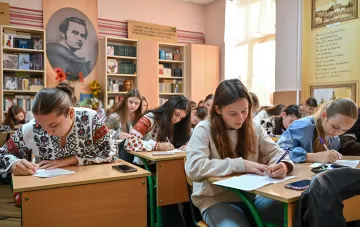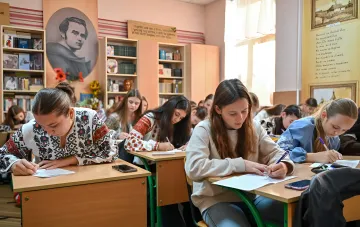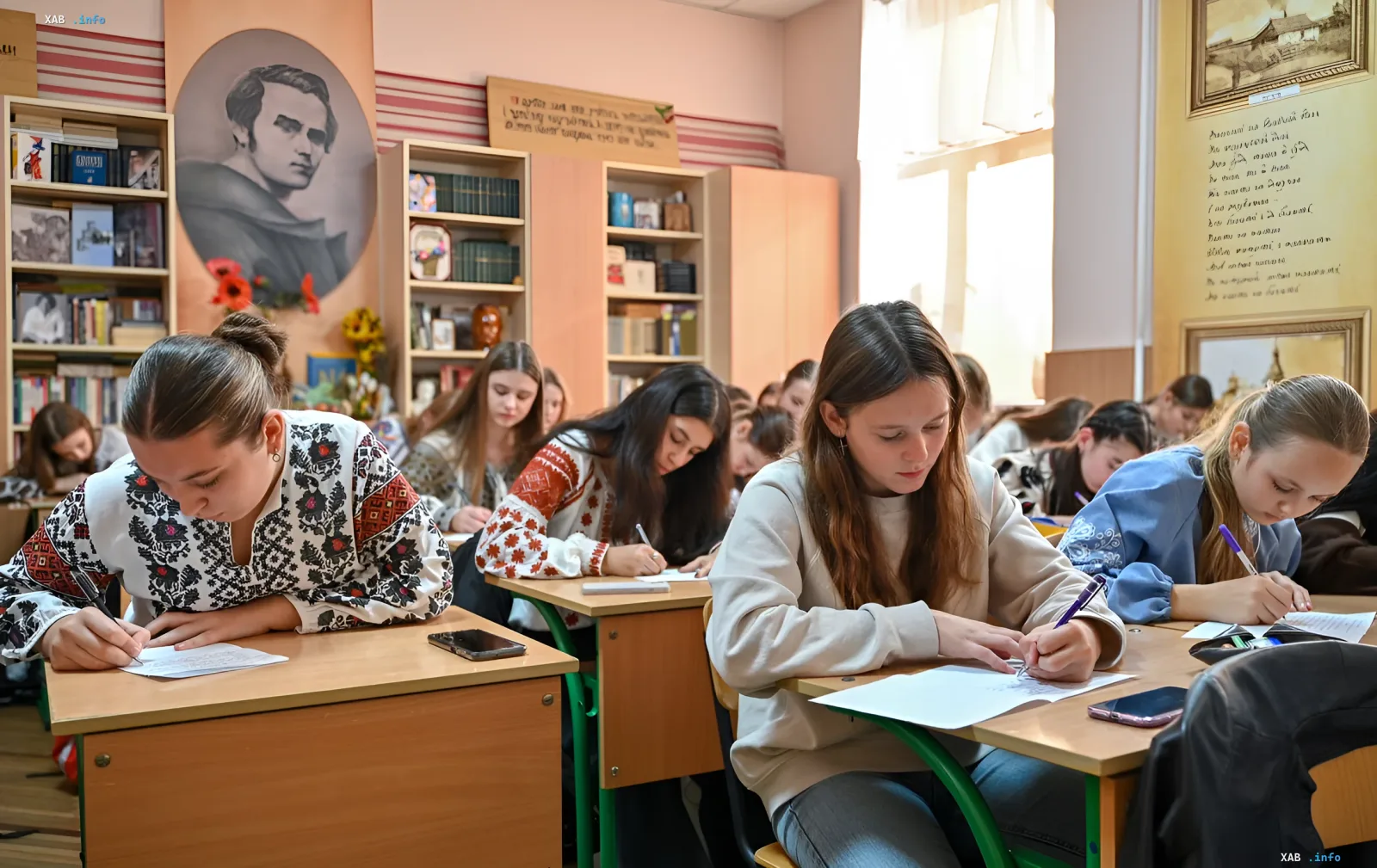
From September 1, 2026, Ukrainian schools will begin the new 2026/2027 academic year, which is accompanied by several systemic changes announced by the Ministry of Education and Science. The procedure for responding to cases of bullying and the criteria for assessing learning outcomes are being updated, the number of hours for history and civic education is increasing for students in grades 7–9, and the senior school continues to test the new model of profile-based learning. According to RBC-Ukraine, all these innovations are being prepared for the full transition to a profile-based senior school, scheduled for September 2027.
Profile-based senior school: pilot expanded to 150 lyceums
The key element of the reform is the expansion of the profile-based senior school pilot project. If last academic year the new model was tested by 30 lyceums in 19 regions, then in 2026/2027 a further 150 educational institutions will join it. From September 2027, students in grades 10–12 will study according to profiles and will be able to study subjects in depth in line with their educational and career plans, choosing not only profile disciplines but also individual subjects outside the profile — for example, a student in the mathematics track will be able to additionally take courses in natural sciences, art, or literature.
Mandatory subjects will remain Ukrainian language and literature, the history of Ukraine, English, mathematics, physical education, and the subject "Defense of Ukraine." In grade 10, students will be given the option to change their profile if they realize they made the wrong choice. It is expected that the senior school will be concentrated mainly in large lyceums, where groups for studying different subjects can be formed and where the position of a career education counselor is being introduced to help students choose a profile and plan their further studies. At the same time, the reform does not affect primary school and does not provide for the closure of gymnasiums that teach children up to grade 9. Pilot lyceums will be able to form cross-grade groups of at least 8 students for profile subjects and integrated courses, and splitting classes into groups for individual subjects will also be permitted during distance learning.
Fighting bullying: new deadlines and redistribution of powers
The Ministry of Education has updated the procedure for responding to cases of bullying in educational institutions. The school is now required to review a report of possible violence against a child within 24 hours, and if signs of such actions are identified, the head of the institution must notify the National Police and the Children's Services within no more than three hours. The role of the school commission is also fundamentally changing: it no longer establishes the fact of bullying — that is the exclusive prerogative of the court. The commission's task is to assess the situation, determine the child's needs, organize the necessary support, and make decisions in the child's interest.
"Safe Route for a Schoolchild": 840 shelters in frontline communities
For children who continue to study in person or in a mixed format in frontline regions, the "Safe Route for a Schoolchild" initiative is being launched. Under the project, 840 mobile shelters are planned to be installed in 49 frontline communities, where education continues despite the threat of drone attacks. The construction of the shelters will be financed from the funds of rear-region areas.
More hours of history and civics, Ukrainian component for children abroad
In the new academic year, the total number of hours in the civic and historical education block in the basic curriculum for grades 7–9 has been increased by two hours. In addition, separate curricula for classes and groups with a Ukrainian-studies component have been added to the state standards of primary, basic, and profile secondary education. This applies, in particular, to children who are abroad or in temporarily occupied territories and are simultaneously studying in Ukrainian and foreign schools. The Ukrainian component covers Ukrainian language and literature, the history and geography of Ukraine, the fundamentals of law, and "Defense of Ukraine," while grades in subjects studied at a foreign school can be recognized in Ukraine upon submission of an application by the parents and supporting documents.
New assessment criteria: phased implementation
From the 2026/2027 academic year, the gradual introduction of new criteria for assessing learning outcomes begins. This year they apply to grades 1–9, in the 2027/2028 academic year — to grades 1–10, and from 2028/2029 — to grades 1–12. Under the new approach, what should be assessed is not simply the work done, but specific learning outcomes, for which formative and current assessment are provided. Thus, by the start of the 2027/2028 academic year, the updated assessment system will already cover ten grades, and by 2028/2029 — the entire school.