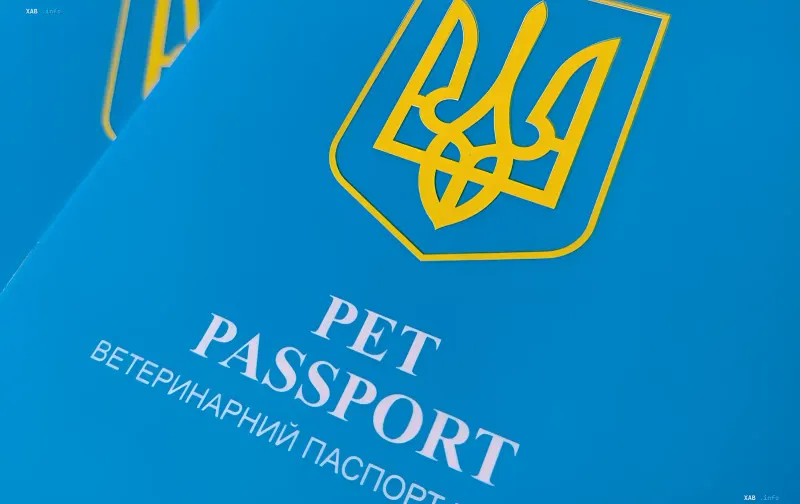
A new format of veterinary passport for pets has been launched in Ukraine. This step is part of a large-scale modernization of the veterinary medicine system and aims to harmonize national legislation with European standards. The document update is designed to create a unified approach to pet identification and the maintenance of their medical history.
Key changes and security standards
The new document differs radically from previous versions not only in design but also in functionality. The main feature of the new passport is the introduction of a unique identification number. The code consists of a country prefix (UA), a series, and a serial number, which allows for the unambiguous identification of the owner and the animal in a single system.
To ensure security and protection against counterfeiting, passport forms will be produced exclusively by specialized printing enterprises. The State Food and Drug Safety Service has established strict printing requirements to eliminate the possibility of falsifying important veterinary data.
Bilingual format and international recognition
An important innovation is the completion of the passport in two languages — Ukrainian and English. This decision significantly simplifies life for owners planning to travel abroad. The document is now designed for use both within Ukraine and in foreign countries, which corresponds to the requirements for the cross-border movement of animals.
The passport records all key data about the pet's life: vaccination results, diagnostic studies, treatment history, and preventive measures. This ensures continuous veterinary care for the animal throughout its life.
Status of old documents
The State Food and Drug Safety Service has officially stated that the introduction of the new form does not cancel the validity of previously issued passports. Owners of pets who have documents of the old sample do not need to apply for their replacement — they remain fully valid. Issuance of a new format passport is available only in state veterinary medicine institutions that have the appropriate authority.
A properly completed passport is necessary not only for travel but also for participation in exhibitions, change of ownership, and for receiving the full range of veterinary services. The system update has become a response to growing requirements for the security and transparency of veterinary documentation.