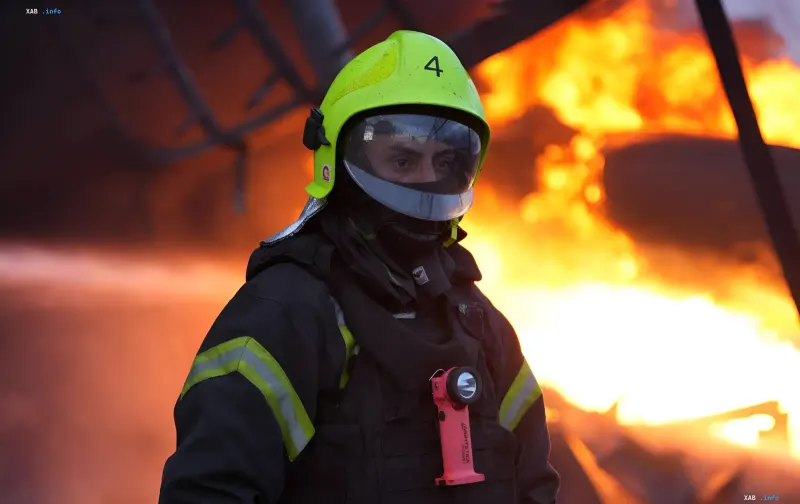
On the night of October 19, 2026, Russia launched various types of weapons against the capital of Ukraine, including ballistic missiles, cruise missiles, and drones. The first impacts on the city were recorded late in the evening on October 18, and the consequences affected at least three districts of Kyiv. According to the State Emergency Service (SES), one person was killed and eight others were injured as a result of the night attack. Rescuers extinguished the resulting fires, and part of the subway stations were closed to passengers.
Chronology of Strikes and First Impacts
Kyiv Mayor Vitali Klitschko was the first to report strikes in two districts of the city. According to him, an impact was recorded in the Desnianskyi district, preliminarily hitting a medical center building, and in the Dniprovskyi district, hitting a non-residential building. Later, the SES clarified that the enemy launched ballistic strikes against the capital on the night of October 19, with consequences in at least three districts. After midnight, the mayor confirmed one death and casualties, subsequently updating the figures as information arrived from medics and rescuers.
Fatality and Injured
According to the mayor's updated data, a 21-year-old girl was killed in the attack. The number of injured fluctuated throughout the night: initially, two wounded were reported, then three, of whom two were in city hospitals. In the Solomianskyi district, where missile debris hit a multi-story residential building, three people were initially given medical assistance on the spot, and later their number increased to five, with one of the wounded being hospitalized. The final figure was announced by the SES: one person died and eight were injured in the night strike.
Infrastructure and Metro Damage
Significant damage was caused to Kyiv's infrastructure. The mayor reported damage to one of the metro stations on the left bank of the capital: nearby, debris impact tore apart the running and contact rails. Due to the strike on Kyiv, the Chernihivska and Lisova metro stations were closed for entry and exit, and in the morning, trains were scheduled to run on a shortened route from Akademmistechko to Darnytsia. Thus, the attack temporarily disrupted the operation of part of the underground system and required the redirection of train traffic.
Condition of Districts After the Strikes
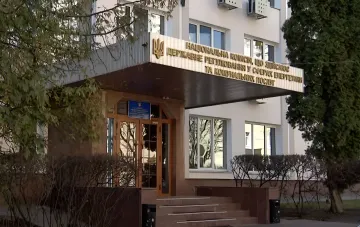
In the Desnianskyi district, according to the SES, a non-residential building was on fire, cars and a metro station were damaged, and a dead person was found at the fire scene. A fire broke out inside the medical facility. In the Solomianskyi district, debris hit the first floor of a 25-story residential building, damaging the facade and glazing, and at another address, a non-residential building was hit. In the Dniprovskyi district, the impact hit a non-residential area, and according to the SES, an educational institution was damaged. Rescue services extinguished the fires caused by the Russian strikes.
The Issue of U.S. Early Warning
A separate aspect of the night attack was the issue of early warning. According to RBC-Ukraine, the U.S. did not warn Ukraine about ballistic missiles targeting Kyiv. U.S. Secretary of State Marco Rubio stated there was a software issue with the early warning system and emphasized that intelligence sharing between the parties had not been suspended. Thus, Washington's official explanation comes down to a technical glitch rather than the termination of the communication channel.