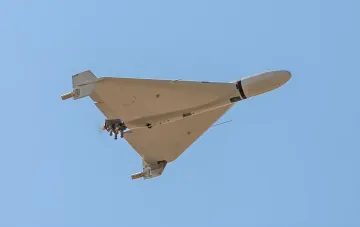
The night of July 24 became a test of strength for the Ukrainian air defense system. The Russian side organized a large-scale air assault, employing an unprecedented number of strike assets. According to the Ukrainian Air Force, the attack involved 5 missiles and 180 attack drones, requiring the mobilization of all available resources to counter the threat.
Mobilization of all forces to repel the attack
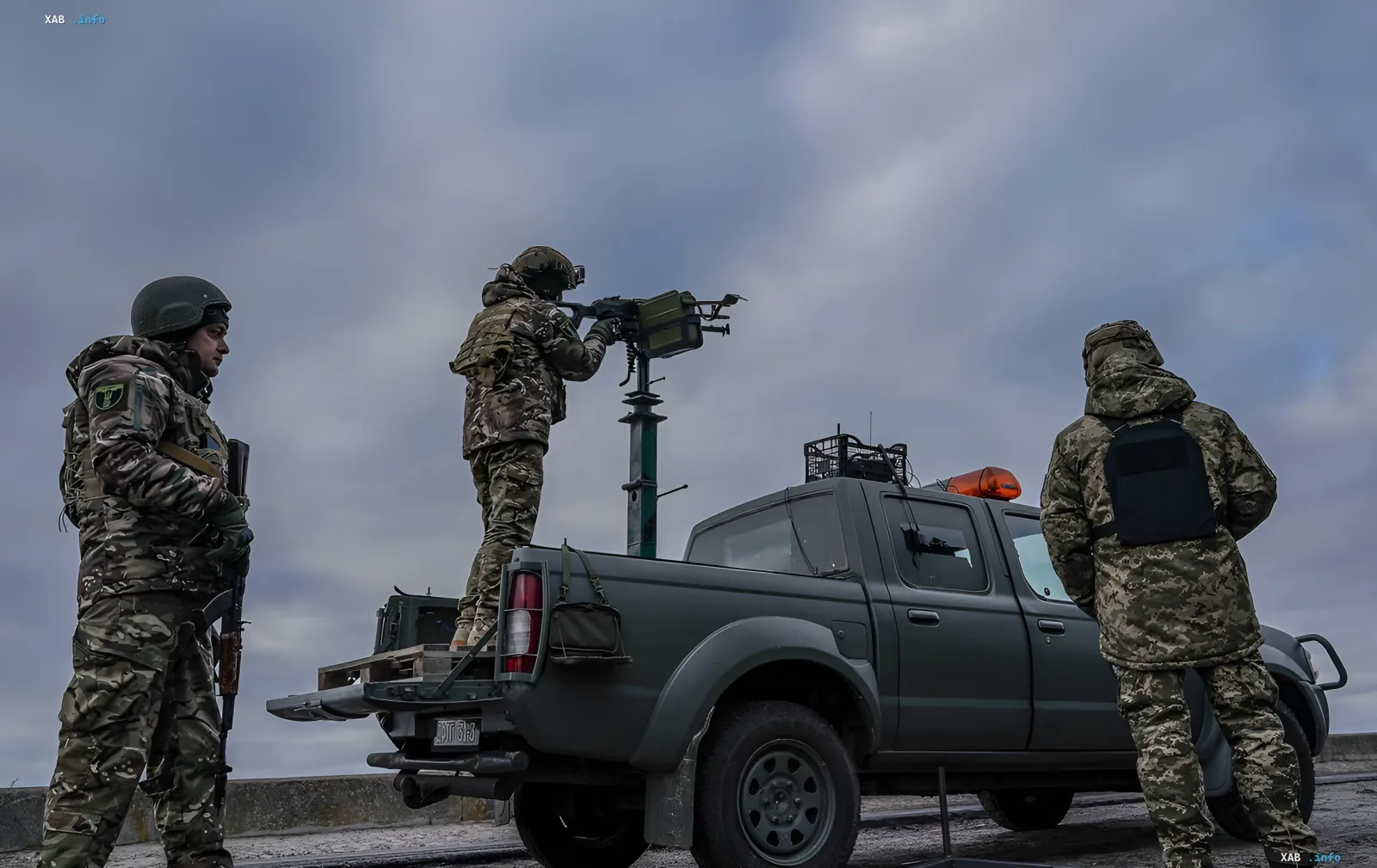
The defense of the country's airspace that night was carried out comprehensively. Aviation, anti-aircraft missile troops, electronic warfare (EW) units, and unmanned system operators were all brought into action. Mobile fire groups of the Defense Forces played a special role, responding promptly to the appearance of targets in various regions.
By morning, as of 08:00, significant success had been achieved in neutralizing the threat. The air defense system shot down or suppressed four Kh-59/69 air-to-surface missiles. Additionally, 160 enemy drones were intercepted in the north, south, and east of Ukraine.
Results of the night shelling: hits and consequences
Despite the effectiveness of the air defense, it was not possible to completely avoid losses. One air-to-surface missile hit was recorded. Furthermore, 14 attack drones broke through to targets at 9 different locations. Debris from downed targets also fell in 8 areas, posing additional risks to infrastructure and the population.
Escalation: context of recent days
The attack on July 24 was a continuation of a series of aggressive actions by the enemy. In the preceding days, strikes were carried out with high intensity:
- July 23: During the day, Russian forces attacked Zaporizhzhia with aviation bombs. By evening, it was reported that more than two dozen people had been injured as a result of the shelling.
- July 22: Russian occupiers struck a gas station in Sumy, causing fires. On the same day, Odesa was shelled by drones, where casualties were also recorded.
The situation on the front lines and in the rear remains tense, requiring the defense forces to maintain maximum concentration and readiness to repel new waves of attacks.