On the night of October 23, Russian forces launched a massive air attack on Ukraine, deploying 176 strike and decoy drones. According to the Air Force of the Armed Forces of Ukraine, air defense systems successfully intercepted and suppressed 140 of the aerial vehicles. Despite the extensive air defense operations, several regions recorded direct impacts and falling debris that caused damage at various locations.
Launch Geography and Weaponry Nomenclature
The raid covered the country's airspace from seven different directions. The strike package included 176 unmanned aerial vehicles of various types. Among them, the Air Force identified 92 jet-powered Shahed-type strike drones, as well as Gerbera loitering munitions and Parody decoy drones. Launches were carried out from the territory of the Russian Federation from areas including Bryansk, Shatalovo, Oryol, Kursk, and Primorsko-Akhtarsk, as well as from the temporarily occupied territories of the Donetsk region and the Autonomous Republic of Crimea.
Air Defense Operational Results
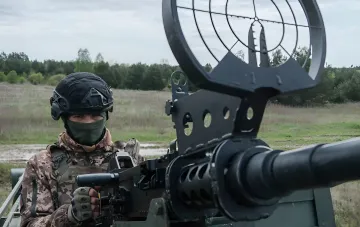
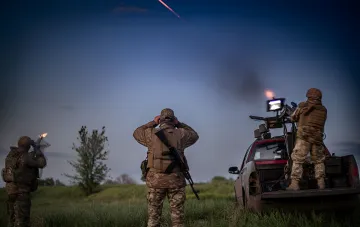
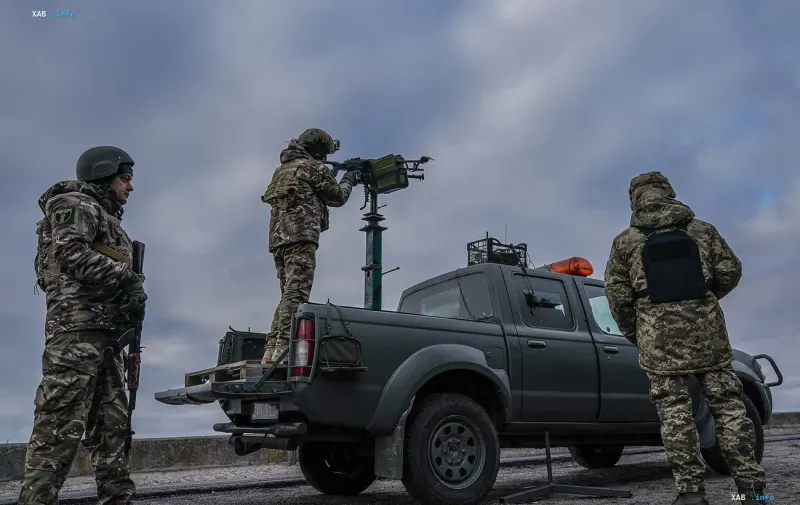
As of 08:00 in the morning, Ukrainian anti-aircraft missile units, mobile fire groups, and electronic warfare assets intercepted 140 air targets. This figure included 68 jet-powered Shahed drones, along with Gerbera UAVs and other modified devices. Intensive combat operations continued throughout the night in the zones of responsibility of various air commands.
Consequences of Debris Falls and Direct Impacts
Despite the high interception rate, completely avoiding the consequences of the enemy raid was not possible. According to official Air Force information, direct enemy strikes were recorded at 19 locations. Additionally, the fall of intercepted drone debris caused destruction and emergency situations at another 13 sites within the impact zone.
Context of New Drone Modifications Deployment
The current attack emphasizes the ongoing technological evolution of air attack weapons. Previously, experts and military sources noted the appearance of a new modification of the Geran-5 loitering munition under the index K5-K. This modification received an integrated optical navigation system, as well as improved flight and technical characteristics in terms of increased range, speed, and flight altitude, creating additional challenges for air defense crews.
Significance of Repelling the Massive Raid and Future Risks
The successful repulsion of the attack by intercepting 140 targets demonstrates the high adaptability and efficiency of Ukraine's air defense amid the use of combined strike weapons, including jet drones and decoys. Nevertheless, the regular increase in the nomenclature and intensity of night raids requires further strengthening of interception capabilities and the expansion of electronic warfare arsenals to minimize damage from falling debris.