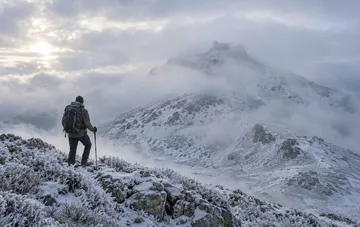
On Wednesday, September 30, 2026, autumn coolness covered the territory of Ukraine, marking the gradual end of the warm weather period. According to the Ukrainian Hydrometeorological Center, despite predominantly dry weather and variable cloud cover, the night and morning hours brought a noticeable drop in temperature indicators across many regions of the country, with the first frosts recorded in several areas.
Weather features and regional differences
The synoptic situation on September 30 is characterized by a north-easterly wind at 7-12 meters per second and the absence of significant precipitation in most parts of the country. The exceptions were only Pryazovia and Crimea, where short-term rains were forecasted locally during the day. At the same time, morning hours in the western regions turned out to be foggy, requiring increased attention from road users. Night temperatures across the country generally ranged from +3 to +8 degrees Celsius, while the southern and southeastern regions traditionally maintained higher indicators — up to +12 degrees Celsius.
First frosts in the Carpathians and western oblasts
Special attention from forecasters is focused on the high-mountain areas and the west of Ukraine, where the breath of autumn is felt most acutely. In the Carpathians, thermometer readings at night dropped almost to the zero mark. Moreover, meteorologists warned of the onset of the first frosts this week: in the Lviv region, temperature indicators from 0 to -2 degrees are expected from September 30 to October 4, and ground frosts down to -5 degrees were forecasted on the soil surface in the Ivano-Frankivsk region on the night of September 30 and October 1.
Contradictory data
Analyzing current meteorological reports and forecasts from various synoptic resources, experts note certain discrepancies in estimates regarding the duration and intensity of the Indian summer. While the Ukrhydrometeorological Center records a sharp night cooling and frosts in the western regions, regional reports for the Kyiv region indicate the preservation of moderately warm daytime weather with variable cloud cover without precipitation. Some independent sources emphasize that the Indian summer in a number of central and southern regions continues to hold its ground despite the general calendar end of September, whereas mountain regions have already faced the first signs of approaching winter, including the recent fall of a thin layer of snow on Mount Pip Ivan.
Analysis of consequences for the agricultural sector and recommendations
Such sharp temperature contrasts and night frosts pose a potential threat to agricultural crops still remaining in fields and gardens. Agronomists and rescuers recommend that owners of household plots in western regions take preventive measures to protect the harvest from morning frosts. For the general population, the coming period requires changing the wardrobe to warmer autumn clothing and observing safety measures on the roads due to morning fogs and local ground ice formation.