
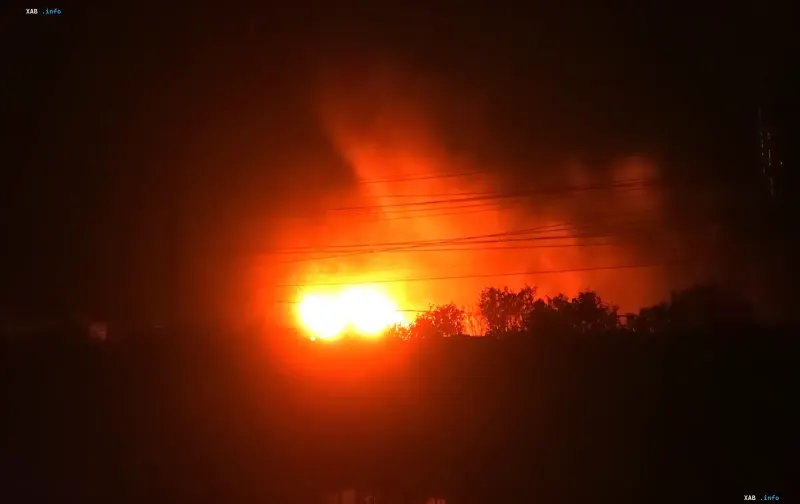
During the night of August 5, the Defense Forces of Ukraine carried out a series of strikes on key Russian military infrastructure objects. According to the General Staff of the Armed Forces of Ukraine, the targets included drone control points, a strategic crossing, and a material and technical supplies warehouse.
Strikes on Logistics and Command in Donbas
Ukrainian troops focused on neutralizing the enemy's command and supply systems. As reported by RBC-Ukraine, drone control points in several districts were hit. A separate strike was launched against a command facility near Bakhmut in the Donetsk region.
A significant result of the operation was the destruction of a crossing over the Mokri Yaly River near the village of Veseloye (Donetsk region). This object is critical for Russian logistics: it was used to transport personnel, weapons, and ammunition to the front lines.
Attack on a Warehouse in Crimea
The operational actions of Ukrainian forces were not limited to the front line. On the night of August 5, a strike was launched against an occupier's material and technical supplies warehouse in the settlement of Ishun in annexed Crimea. The destruction of warehouses in the enemy's rear deals a direct blow to the Russian army's ability to sustain prolonged combat operations.
Loss Statistics and Scale of the Conflict
In the context of these events, it is worth noting the statement made by Ukrainian President Volodymyr Zelenskyy on the eve, August 4. In his evening address, he reported that in July, the Defense Forces of Ukraine killed and seriously wounded more than 30,000 Russian servicemen using drones. According to the head of state, this trend remains unchanged and repeats every month.
Consequences for the Russian Rear
While active combat operations continue on the front, strikes and incidents are also affecting the enemy's deep rear. On the night of August 5, a large-scale fire broke out at a Wildberries company warehouse in the Tula region of Russia. The fire covered a significant area, posing a threat to the region's infrastructure.