On the night of November 27, Russia launched one of its most massive drone strikes on Ukraine in recent times. According to the Air Force, cited by RBC-Ukraine, the enemy used 155 strike UAVs starting from the evening of November 26. A significant portion—83 devices—consisted of jet-powered Shahed modifications, which are substantially faster and harder to intercept than classic propeller versions. The attack also included Gerbera drones and Parodiya decoys designed to create false targets and overwhelm air defense channels.
Launch Directions and Tactics
The drones flew from several directions: Oryol, Millerovo, Kursk, Shatalovo, and Primorsko-Akhtersk in Russia, as well as occupied Donetsk and Hvardiiske in occupied Crimea. This multi-vector launch complicates air defense tasks, as targets appear almost simultaneously from different axes. A similar tactic of mass deployment of jet Shaheds was recorded on previous nights—specifically on the night of November 24 and November 19, when the enemy also deployed dozens of jet drones from similar directions.
Air Defense Performance and Preliminary Results
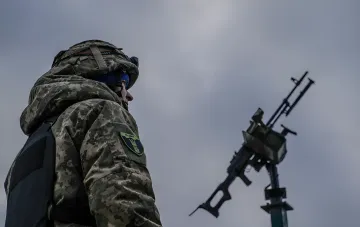
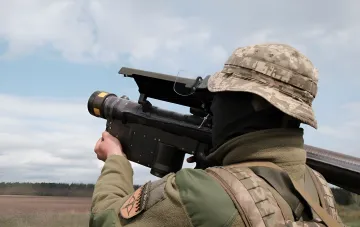
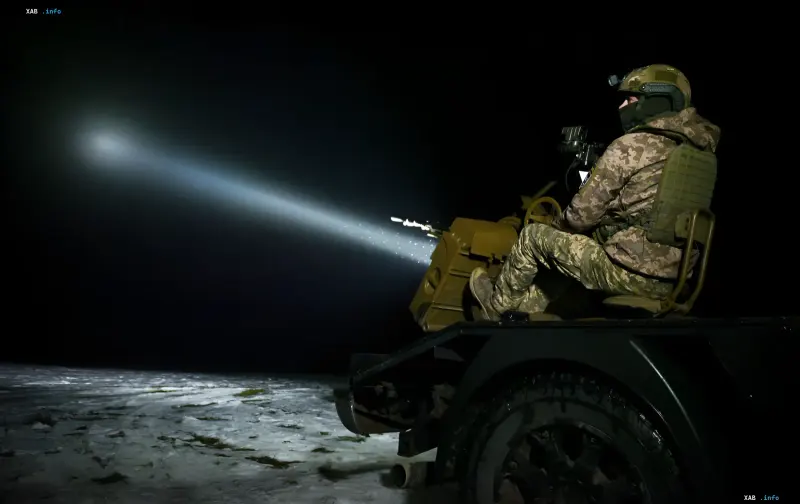
According to preliminary data as of 08:00, air defense forces shot down or suppressed 110 enemy drones. Among them were 51 jet Shaheds, as well as Gerberas and other types of apparatuses. Aviation, anti-aircraft missile troops, electronic warfare units, unmanned systems units, and mobile fire groups of the Defense Forces reported repelling the attack. By the time this report was published, several enemy drones remained in the sky, and air defense combat operations were ongoing.
Consequences: Impacts and Fire
Impacts from air attack weapons were recorded at 27 locations, while debris from downed drones fell at another 4 locations. An infrastructure facility was struck, and a fire broke out in a production building. No official updates regarding the scale of destruction or potential casualties were available at the time of publication.
Context: Missile Strike Warnings
Against the backdrop of the nighttime drone attack, Ukrainian President Volodymyr Zelenskyy previously warned of preparations for a new massive missile strike, stating that intelligence possesses "clear information" about the enemy's corresponding plans. The head of state urged citizens to heed missile danger signals and promised a response to every strike. The combination of these statements indicates that the nighttime drone deployment may be part of a broader series of strikes, increasing the burden on air defense systems and requiring the population to follow safety rules.