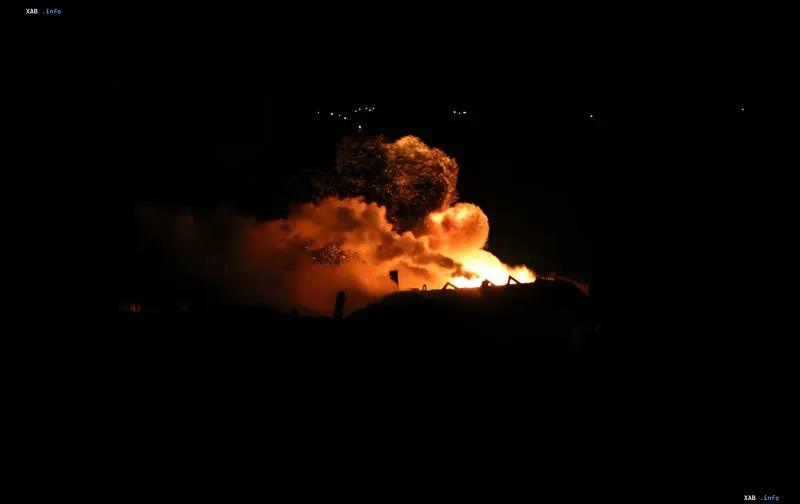
On the night of November 3, Russia launched a massive strike against Ukraine, using Iskander-M/KN-23 ballistic missiles, Zircon anti-ship missiles, as well as 59 Kh-101, Kh-59, Kh-69, and Iskander-K cruise missiles. According to the Ukraine Defense Forces, the ballistic and anti-ship missiles were launched from the Rostov, Voronezh, and Kursk regions of the Russian Federation, while the cruise missiles were launched from air and ground bases in the Vologda, Orenburg, and Oryol regions. In addition to missiles, the enemy deployed 289 Shahed strike drones, of which 120 were jet-powered, alongside Gerbera drones and Parodiya decoy drones.
Attack Directions and Air Defense Operations
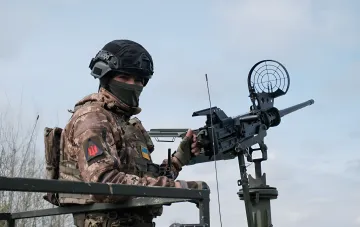
The UAVs were launched from Oryol, Kursk, Millerovo, and Primorsko-Akhtarsk in Russia, as well as from occupied Donetsk, Hvardiiske, and Chauda in Crimea. The main target areas were the Kyiv, Kharkiv, Vinnytsia, and Dnipropetrovsk regions. The air attack was repelled by aviation, anti-aircraft missile troops, electronic warfare and unmanned systems units, and mobile fire groups of the Ukraine Defense Forces. According to preliminary data as of 09:00, air defense forces shot down or suppressed 309 targets: 3 Iskander-M/KN-23/Zircon ballistic missiles, 49 cruise missiles, and 257 Shahed drones (including 89 jet-powered ones), as well as Gerberas and other types of drones. Information regarding three additional missiles is still being verified, according to the source.
Impact of Strikes and Casualties
Missiles and strike drones hit 23 locations, while downed targets or their wreckage fell in another 14 locations. As reported by RBC-Ukraine, the enemy struck a hospital in Kharkiv, injuring at least 73 people. In Dnipro, a hospital, a residential neighborhood, and a police department were damaged; Oleksandr Hanzha, head of the Dnipropetrovsk Regional State Administration, reported five injured. At the time of publication, the attack was ongoing, with several enemy drones remaining in airspace.
Context: Pace of Ballistic Strikes
The nighttime attack occurs against the backdrop of a steady increase in the intensity of missile strikes. As previously noted by Yuriy Ihnat, head of communications for the Air Force Command of the Armed Forces of Ukraine, at the current rate, Russia could launch over 300 ballistic missiles in a month, although he stated the enemy likely will not be able to sustain such intensity for long. The day before, on November 2, Russia struck Kamyshuvate in the Zaporizhzhia region with guided aerial bombs, where the death toll rose to 29 people and 48 remain officially missing as search and rescue operations continue, according to Zaporizhzhia Regional Administration head Mykhailo Semikin.