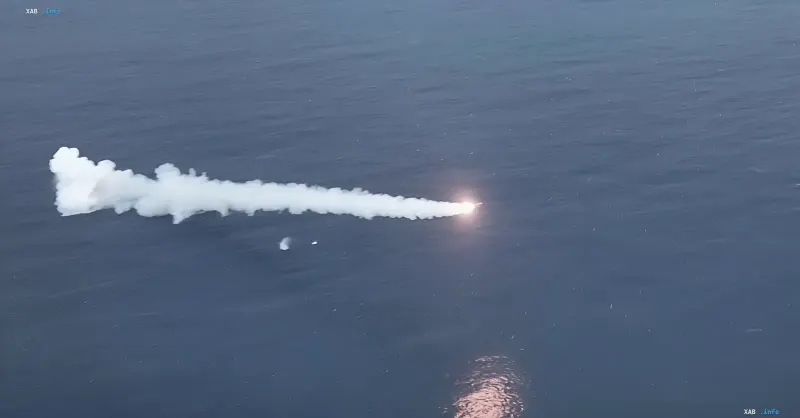
On October 15, 2026, North Korean authorities officially announced the successful testing of two fundamentally new types of strategic cruise missiles. The launches were carried out from submarines in the waters east of the Korean Peninsula. This demonstration of military might took place as part of the country's planned strengthening of its defense capabilities and the expansion of its naval forces.
Goals and Objectives of the Tests
According to official reports from the Korean Central News Agency (KCNA) published in their morning broadcast, the primary goal of the large-scale maneuvers was to verify the current combat readiness of submarine combat systems. Furthermore, the military leadership aimed to enhance the overall strategic capabilities of the national navy, while demonstrating the high reliability of the weaponry and the effectiveness of the DPRK's deterrence system in the region.
Launch Leadership and Technical Control
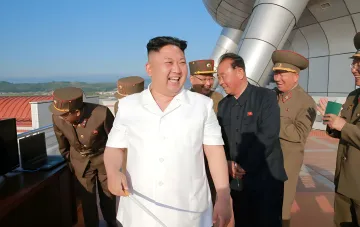
It is worth noting that top defense sector officials directly monitored the crucial test launches in real-time. Among them were Kim Jong Sik, deputy department director of the Workers' Party of Korea Central Committee, Jang Chang Ha, director of the Missile Administration, and leading engineers and designers of the Korean People's Army naval weapons systems.
Escalation Context and Series of Launches
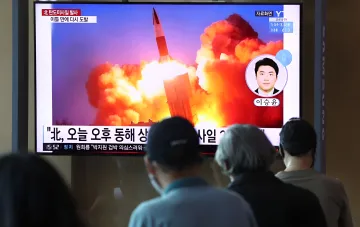
This event occurred just days after Pyongyang's previous display of military activity. Notably, on October 12, North Korea conducted test launches of tactical ballistic missiles fired from the Pyongyang area toward the Sea of Japan. Analysts note a sharp intensification of missile testing.Contradictory Data
While North Korean state media insist on the absolute success and accuracy of all conducted submarine-launched cruise missile tests, independent experts from South Korea and Japan claim the need for additional analysis of telemetry data. Foreign analytical centers point out that the flight range and exact trajectories of the missiles may differ from the parameters stated by Pyongyang, requiring more detailed study by the expert community.
International Consequences
Security experts emphasize that such actions by Pyongyang will inevitably lead to a further escalation of tension on the Korean Peninsula. In response to regular launches, the US, South Korea, and Japan may strengthen joint military patrols and expand the scale of defense exercises in the region, further distancing the prospects for resuming diplomatic dialogue.