The main achievement in relations with the new US administration led by Donald Trump for Ukraine may well be the simple absence of direct harm. Strategic communications expert Yuriy Bogdanov comes to this conclusion while analyzing current foreign policy risks and the prospects for Kyiv's diplomacy in the changing Washington landscape.
Unlike the previous team headed by Joe Biden, whose policy was criticized but accompanied by multi-billion-dollar financial and military support, the current trajectory of the White House raises serious concerns among Ukrainian analysts. In expert circles, assessments are openly voiced that any attempts by Washington to force compromise scenarios could de facto play into the aggressor's interests.
The Factor of the US Congress and Intra-Party Split
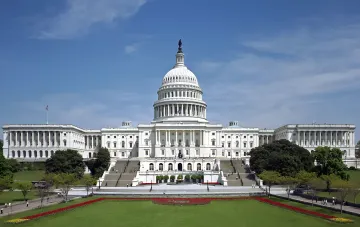
Nevertheless, the absolute power of the executive branch in the US has its legislative limits. According to Bogdanov, Donald Trump will face significant resistance both from the Democratic opposition and within his own Republican Party. A striking marker of such trends was the intra-party convention in Dallas, which demonstrated deep skepticism among some congressmen regarding the president's radical initiatives.
Lawmakers have sufficient levers to block the most odious or ill-considered steps of the White House, whether attempts to build dubious alliances or a sharp reduction in support for allies. This forces Kyiv and European capitals to look for new formats of independent consolidation without blind hope for overseas partners.
Internal Agenda as the Main Restraining Element
Special attention is paid by the expert to the priorities of the American core electorate, for whom foreign policy battles always take a back seat compared to economic well-being. Fuel prices, inflation levels, and the overall cost of living remain key indicators of the success of any US administration, which directly affects the ratings of the ruling party.
Contradictory Data
While official statements from White House representatives are full of ambitious promises for a quick settlement of global conflicts, independent analysts point to a fatal deficit of realistic mechanisms for implementing these plans. A conceptual gap arises between the populist rhetoric of the American leadership and the harsh geopolitical realities on the ground, creating additional risks for international security.
Summing up, it can be stated that the Ukrainian leadership will have to build diplomacy in a mode of strict pragmatism, relying on its own resilience and the support of European partners.