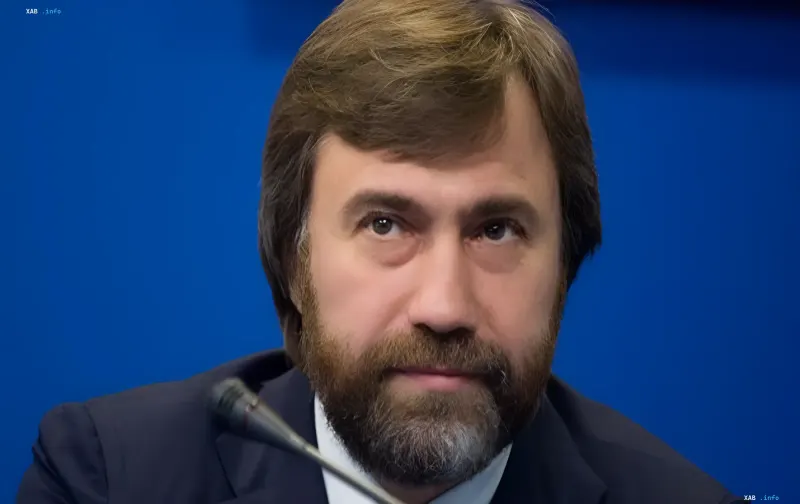
Former Ukrainian Member of Parliament and prominent religious figure known as the curator of the Russian Orthodox Church in Ukraine, Vadym Novinsky, has officially obtained Serbian citizenship. The corresponding decision was published in late September 2026 in Serbia's official gazette, Službeni Glasnik. The passport document was signed a day prior by the country's Prime Minister Đuro Matsut, sparking an immediate resonance in international and Ukrainian media.
Special Procedure and State Interests
The decision to grant Novinsky a Serbian passport bypassed standard bureaucratic procedures. The Serbian government invoked a specific legal provision allowing foreign nationals to obtain citizenship in an accelerated manner if it serves the "interests" of the state. However, as of the time of publication, official Serbian bodies, including the government and the Ministry of Internal Affairs, have not responded to inquiries from Radio Liberty regarding why citizenship was granted and what constitutes Serbia's interest in the matter.
Political Background and Treason Suspicions
Vadym Novinsky has a long political history in Ukraine: he served as an MP from the Party of Regions and later headed the Opposition Bloc faction. Following the full-scale Russian invasion in 2022, he resigned his parliamentary mandate and left Ukraine, citing threats of criminal prosecution. In 2023, Ukraine imposed sanctions against him, and in January 2025, law enforcement agencies officially charged him with high treason and inciting religious hatred.
Contradictory Data
While Serbian officials cite exceptional state interest in granting citizenship to the Ukrainian ex-politician, independent experts and journalists point to a systemic pattern in such decisions. Since the beginning of the full-scale Russian invasion in 2022, Serbian authorities led by the Serbian Progressive Party have granted passports to hundreds of foreign nationals, many of whom have been linked to Vladimir Putin's regime. Official Belgrade continues to ignore transparency requests regarding these procedures, leaving open questions about the political motives behind granting refuge to individuals facing criminal charges.