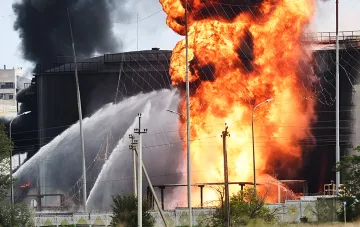
On the night of October 30, 2026, unmanned aerial vehicles struck Novokuybyshevsk in Russia's Samara Oblast. According to monitoring channels and Russian authorities, a major fire broke out on the territory of the local oil refinery as a result of the attack. Flames and thick black smoke were witnessed by locals and documented in photo and video materials, which later served as the basis for OSINT verification.
Target of the Attack: A Plant Supplying Russian Aviation with Jet Fuel
An OSINT analyst from the Russian monitoring channel ASTRA, after analyzing eyewitness photographs, established that the fire occurred precisely at the Novokuybyshevsk Oil Refinery. Since 2007, the enterprise has been part of the Rosneft group and has a refining capacity of about 8.8 million tons of oil per year. Its product range includes more than twenty types of petroleum products, including gasoline, diesel fuel, bitumen, and—most significantly in a military context—jet fuel used by Russian aviation. The strike on a facility directly linked to the fuel supply of the air fleet enhances the logistics of the attack and indicates the targeted nature of the operation.
Resident Alerts: Explosions Prior to Official Warning
The chronology of events on the night of October 30 revealed a significant gap between the actual start of the attack and the official notification of the population. Local residents reported explosions and air defense operations even before a drone attack threat mode was declared in the region. The official drone danger warning arrived only around 6:00 AM, while hostilities were already underway at that moment. Samara Airport was closed. At the same time, city residents continued to record the presence of drones over the settlement, and the fire on the plant's territory intensified.
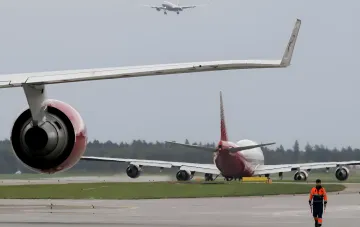
The attack on Novokuybyshevsk became part of a series of massive drone strikes lasting for several consecutive nights. On the evening of October 28 and into the night of the 29th, drones attacked Moscow; capital Mayor Sergei Sobyanin claimed more than fifty drones were downed. That same night, October 29, over 460 flights were delayed or canceled at Moscow and St. Petersburg airports. The largest number of disruptions was recorded at Vnukovo and Sheremetyevo airports, while St. Petersburg's Pulkovo accommodated flights that failed to land at the capital's airports. For comparison: after the October 24 attack, more than 210 flights were disrupted in Moscow airports, demonstrating a growing trend of disruptions.
Operational Situation and Emergency Services Actions
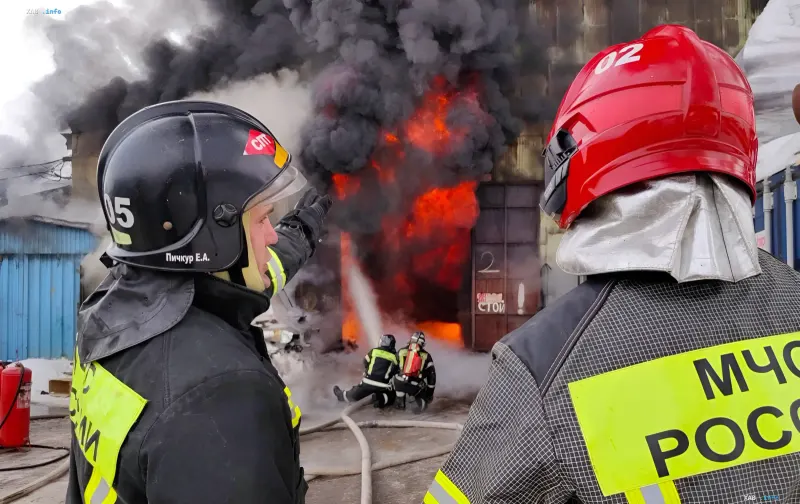
Units of the Russian Ministry of Emergency Situations worked at the fire site on the refinery's territory. According to available footage, firefighters in protective gear carried out operations to localize the fire amid intense smoke and open flames. Information on the scale of damage to the plant's equipment, as well as whether the fire affected storage facilities or jet fuel processing lines, was not disclosed by either party at the time of publication. Russian authorities confirmed the fact of the attack and air defense operations, but detailed data on the number of drones shot down over Samara Oblast and the extent of damage to the refinery infrastructure were not publicly voiced.